What to Pack for a Weekend Fishing Cabin Trip
A practical packing guide for a two- or three-day fishing cabin trip, covering tackle, clothing, food, documents, tools, and backup plans for occasional anglers and families.
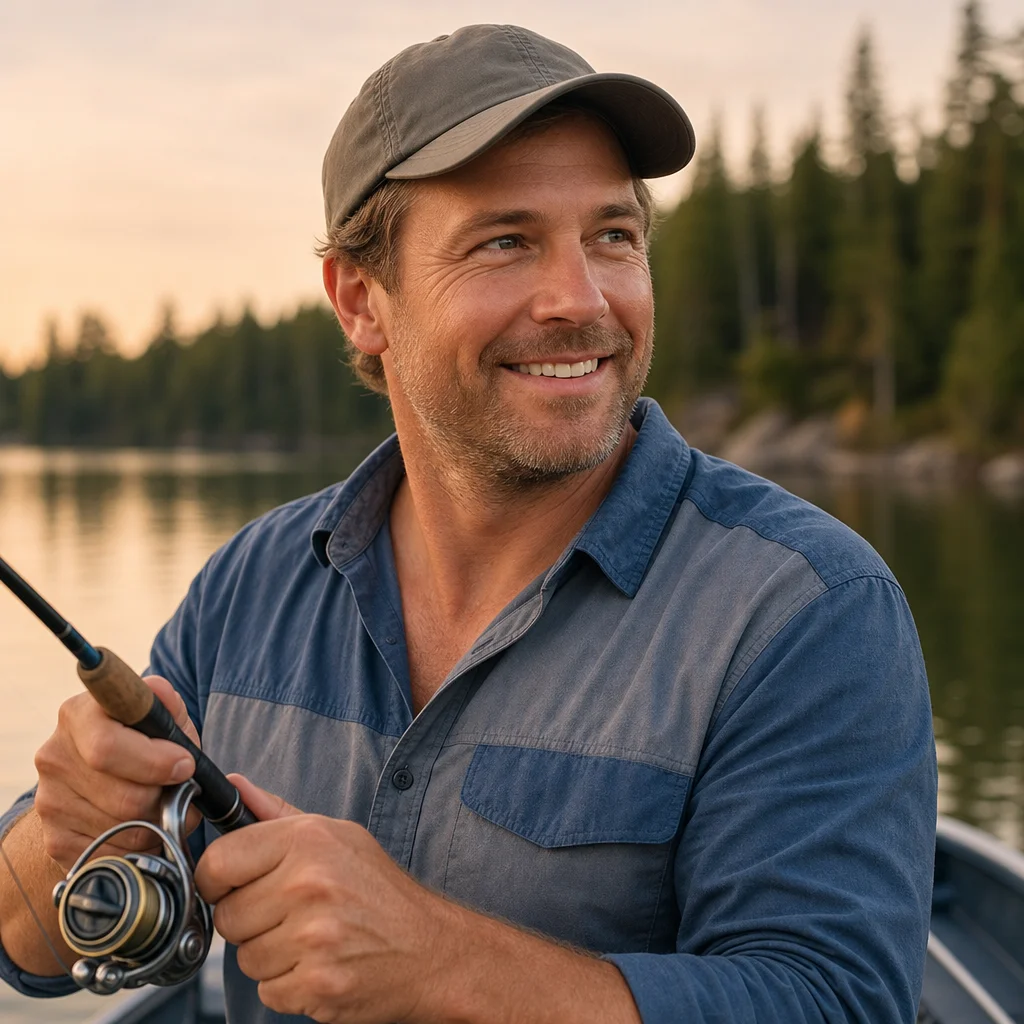
A fishing cabin trip is supposed to simplify the weekend: unload the truck, put coffee on, and get a line in the water. It gets less simple when the cabin is short on basics, the weather turns cold, or someone discovers the tackle box has plenty of lures but no usable line.
For a two- or three-day trip, I find it helps to pack in layers. Start with the things that make the trip legal and safe, then add fishing gear that matches the water, then cover cabin living, food, and a few practical backups. The goal isn’t to bring every piece of gear you own. It’s to bring what will keep everyone comfortable and fishing.
Check the rules for the water you’re about to fish. Before leaving, confirm that each angler has the required license and that you understand the current seasons, size limits, creel limits, bait rules, and any boating requirements for the specific state and waterbody. Regulations can differ from one lake or river to the next, and they change over time. Save a digital copy of your license and keep the state fishing regulations page handy on your phone.
Start with the cabin and trip details
A cabin can mean anything from a fully equipped rental with heat, linens, and a kitchen to a bare-bones place with bunk beds and an outdoor spigot. Read the rental listing or ask the owner a few direct questions before packing.
Find out whether the cabin provides:
- Bedding, towels, toilet paper, and basic cleaning supplies
- Pots, pans, plates, utensils, coffee maker, and a can opener
- Drinking water or a well-water recommendation
- Electricity, heat, air conditioning, refrigerator, and freezer space
- A grill, fire pit, firewood, and cooking fuel
- Wi-Fi or reliable cell service
- Dock access, boat parking, fish-cleaning facilities, and life jackets
- Trash pickup or a requirement to pack trash out
Those answers prevent duplicate packing and, more importantly, reveal the things you can't assume will be there. If you’re bringing children or another family, send one shared list ahead of time. It’s much easier to coordinate breakfast food and life jackets before the drive than from a small-town convenience store at 9 p.m.
Pack fishing gear around the species and conditions
For occasional anglers, the biggest packing mistake is often bringing a large pile of miscellaneous tackle with no plan. Pick the likely target fish, the type of water, and the techniques your group can fish comfortably. A modest, organized setup usually beats a dozen rods and a tackle bag full of rusted mystery hooks.
Rods, reels, and line
For a general freshwater cabin trip, two or three rod-and-reel combinations per serious angler are usually enough:
- A light or medium-light spinning setup for panfish, trout, and finesse presentations
- A medium spinning or baitcasting setup for bass, walleye, or larger lures
- An optional heavier setup if catfish, pike, striped bass, or other strong fish are realistic targets
Check each reel at home. Make sure the drag works smoothly, the line isn’t badly frayed, and the rod guides are intact. Bring an extra spool of line or a small filler spool in a useful size. A bird’s nest is annoying at home; it’s worse when it happens during the only calm hour of the afternoon.
For a family group, consider bringing at least one simple spincast or spinning outfit that a child or beginner can use without much frustration. A few bobbers and small hooks can keep new anglers engaged far better than handing them a complicated technique they haven’t practiced.
A compact, useful tackle selection
Build tackle in small, labeled boxes rather than tossing loose packages into a bag. The exact selection depends on your destination, but a versatile freshwater kit can include:
- Assorted hooks sized for the bait and fish you expect
- Split shot, egg sinkers, and a few sliding sinker rigs
- Slip bobbers or fixed bobbers
- Jig heads in a few weights
- Soft plastic worms, grubs, swimbaits, or creature baits
- Small inline spinners, spoons, and crankbaits
- A few topwater lures for low-light conditions
- Leaders, snaps, swivels, and spare terminal tackle
- A landing net appropriate for the fish you expect
- A stringer or cooler plan if you intend to keep legal fish
Live bait adds another layer of planning. Bring a bait bucket, aerator if needed, and enough ice or water-conditioning supplies for the trip. If you plan to buy bait near the cabin, check local availability and rules first. Some waters restrict certain baitfish, and a bait shop’s hours may not line up with your arrival.
Tools that earn their space
A few small tools solve a surprising number of problems:
- Needle-nose pliers or fishing forceps
- Line cutters or small scissors
- Hook sharpener
- Fish grips or a jaw spreader when appropriate for the species
- Measuring board or tape measure
- Digital scale, if you want one for photos and personal records
- Waterproof phone pouch or dry bag
- Headlamp with spare batteries
A compact first-aid kit belongs with this group, not buried under the cabin groceries. Include bandages, antiseptic wipes, tweezers, pain reliever, sunscreen, insect repellent, and any personal medications. Add a pair of polarized sunglasses for each angler who will be near the water; they help with glare and offer basic eye protection from hooks and flying lures.
Dress for the shore, boat, and cabin
Weather near water can feel very different from the forecast in town. Mornings are often cooler, wind can make a damp day unpleasant, and children tend to find puddles with remarkable efficiency. Pack clothing that can be added or removed instead of relying on one heavy outfit.
A practical clothing list includes:
- Moisture-wicking shirts and a warm mid-layer
- A rain jacket and rain pants if wet weather is possible
- Extra socks and a second pair of shoes or boots
- Hat, sunglasses, and sunscreen
- Long pants for insects, brush, and cool evenings
- Swimwear and towels if the cabin has safe swimming access
- Warm sleepwear for cool cabins or shoulder-season trips
- Gloves and a warm hat for cold-weather fishing
For muddy banks, boat ramps, or shallow wading, waterproof boots or sturdy shoes with good traction are more useful than sandals. If wading is part of the plan, pack properly fitting waders and a wading belt when appropriate, rather than assuming old boots and jeans will do the job.
Match safety gear to tomorrow’s conditions. Check the forecast, wind, water temperature, and local conditions on the day you leave. If you’ll use a boat, make sure there is a properly sized, serviceable U.S. Coast Guard-approved life jacket for every person aboard, and follow the current requirements for your location and vessel. Weather and water conditions can change quickly enough to alter the day’s plan.
Plan simple meals and protect the ice
Cabin meals don’t need to be fancy. They need to be easy after a long day outside and flexible enough for delayed arrivals, picky eaters, or a rain day indoors. I’d rather have a short menu everyone can make than a complicated plan that leaves half the groceries untouched.
For a weekend, choose a few dependable meals:
- Easy breakfasts: eggs, oatmeal, fruit, bagels, yogurt, coffee, and shelf-stable milk
- Packable lunches: sandwiches, wraps, chips, trail mix, fruit, and granola bars
- Simple dinners: burgers, tacos, foil-packet meals, pasta, chili, or grilled chicken
- Fishing-day snacks: jerky, nuts, crackers, cheese, electrolyte drinks, and plenty of water
Bring a cooler that is large enough for food, drinks, bait if applicable, and any fish you plan to transport. Keeping food and fish in separate coolers is often the cleanest arrangement. Pack ice or frozen water jugs, and keep a thermometer in the food cooler if you have one. Store raw meat securely and plan to replenish ice if the trip is warm.
Don’t overlook the small kitchen items that rental cabins may not supply: cooking oil, salt and pepper, paper towels, dish soap, zip-top bags, aluminum foil, trash bags, reusable water bottles, coffee filters, and a can opener. A sharp fillet knife and cutting board are useful if you plan to clean fish, but only keep fish that are legal, in good condition, and likely to be eaten.
Bring documents, power, and a communication plan
Put important papers and electronics in one waterproof pouch or zippered bag. Include licenses, identification, cabin reservation information, vehicle and boat documents, insurance information, and any launch or parking confirmations.
For phones and navigation, pack charging cords, a vehicle charger, and a power bank. Download maps, reservation details, and regulations while you still have dependable service. Many good fishing cabins are in places where a phone becomes more camera than communication device.
If the group will split up, agree on a simple plan: where each person is fishing, when everyone returns, and what to do if weather gets worse. Tell a friend or family member outside the trip where you’ll be staying and when you expect to return.
Keep a small backup kit in the vehicle
The vehicle backup kit is for the problems that don’t show up on the packing list until they happen. Keep it separate from the fishing gear so it stays easy to find.
Include jumper cables or a jump pack, tire gauge, basic tool kit, flashlight, spare batteries, duct tape, work gloves, emergency blanket, drinking water, and roadside assistance information. If you’re towing a boat, bring a spare trailer key, wheel chocks, tie-down straps, and any trailer-specific tools you may need.
A weather radio can be worthwhile in areas with poor reception or frequent storms. At minimum, keep an eye on forecasts and don’t let a cabin reservation pressure you into fishing through unsafe conditions.
Load in the order you’ll use things
The last useful step is packing the vehicle with arrival in mind. Put cabin keys, reservation details, rain gear, first-aid supplies, and one meal or snack where you can reach them quickly. Keep rods protected and secure, place the cooler where it can be unloaded first, and avoid burying the overnight bag under tackle boxes.
For most weekend trips, a checklist on your phone is enough. Make it reusable, then customize it for the season, the fish you’re targeting, the cabin’s amenities, and the people coming along. A little planning leaves more time for the good part: a quiet shoreline, a working reel, and the possibility that the next cast is the one everyone talks about on the drive home.