How to Plan a Rainy Weekend Fishing Trip Without Wasting the Drive
A practical, flexible planning guide for weekend anglers fishing through rain, with backup waters, clothing, gear protection, launch options, and sensible postponement thresholds.
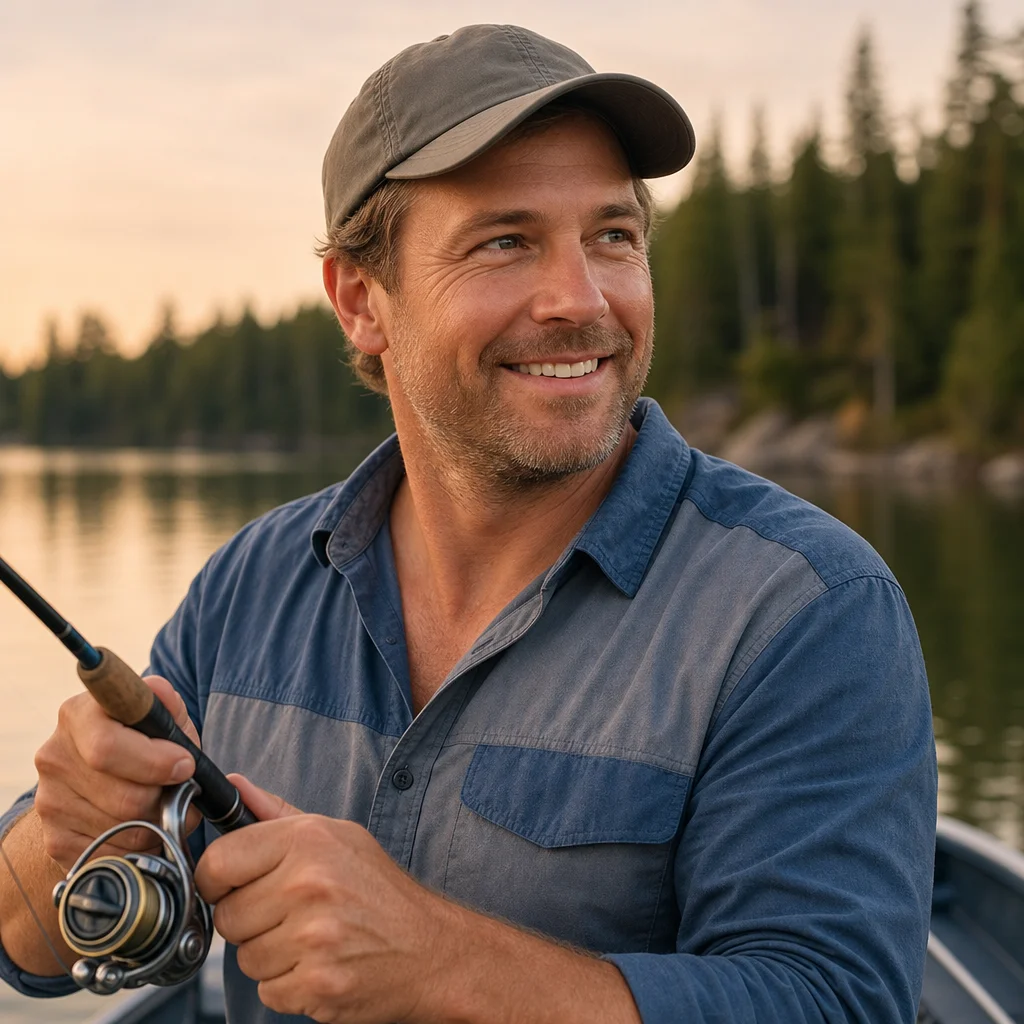
A rainy forecast doesn’t automatically ruin a fishing weekend. In fact, steady light rain can make some waters fish better by cooling the surface, reducing glare, and keeping other boaters at home. The trouble starts when we treat every wet forecast the same.
I’ve found that a worthwhile rainy-day trip comes down to flexibility. Instead of committing to one ramp, one shoreline, and one technique, build a plan that gives you shorter drives, safer options, dry gear, and a clear reason to call it off when conditions turn from unpleasant to risky.
Check the water and weather you’ll actually face
Before leaving, review the latest hourly forecast, radar, wind forecast, lightning alerts, river or lake levels, and any ramp or access closures. Confirm local fishing rules, boating requirements, and park hours with the relevant state agency or land manager. Conditions and access can change quickly after heavy rain.
Start by separating rain from bad conditions
“Rainy” covers a lot of ground. A gray morning with occasional showers is one trip. A line of thunderstorms, rising river water, high winds, and muddy runoff is another.
When I plan, I look beyond the little rain icon on the forecast and focus on five questions:
- Is lightning in the forecast? Lightning is a stop sign, especially on open water or while holding a rod. A boat, dock, exposed bank, or rod in the air isn't where I want to be during a thunderstorm.
- How hard and how long will it rain? Light, steady rain is manageable with good clothing. Heavy rain can turn trails slick, flood low access roads, and muddy water faster than expected.
- What will the wind do? Wind often matters more than rain for small boats, kayaks, and exposed banks. Rain gear is easy to solve; safely holding position or getting back to the ramp in rough water isn't.
- What has the rain done to the water level and clarity? Small creeks can rise quickly. Rivers may carry strong current and debris. Reservoirs can develop stained inflows while other areas remain fishable.
- Can I get off the water quickly? A nearby covered area, a protected cove, a short run to the ramp, or a vehicle close to the bank gives me a better margin if weather changes.
That forecast review should shape the entire trip. If the weather window is only three decent hours, I plan a three-hour outing close to home or close to a backup location. There’s no prize for driving two hours to sit in the truck watching a storm cell crawl across the lake.
Build a primary plan and two backups
A rainy weekend plan works best when the first choice isn't the only choice. I like to map three options before I load the truck.
Plan A: Your best water in manageable rain
This is the lake, pond, river stretch, or bay you would fish if the forecast stays within your comfort zone. Choose it because it offers a realistic chance at fish and has dependable access.
For a boat trip, that usually means a ramp that is protected from the prevailing wind, has adequate parking, and isn't known for becoming unusable after a downpour. For bank fishing, it means firm footing, close parking, and enough room to move away from rising water.
Keep the plan simple. Pick a launch, a few likely areas, and a turnaround time. In rainy conditions, I would rather fish two protected stretches thoroughly than burn fuel trying to cover an entire lake.
Plan B: A sheltered, smaller-water option
Your first backup should usually be easier, closer, and more protected. Think of a small public pond, a narrow creek with stable access, a marina-adjacent bank where fishing is permitted, or a sheltered cove on the same lake.
Smaller water is especially useful when wind makes open water uncomfortable. It also lets you fish short weather breaks without investing a full day in travel and launching.
A pond can be a smart backup because rain often pushes anglers away while leaving the fish right where you can reach them: along grass, riprap, culverts, docks, and shallow cover. Just be mindful that runoff can muddy very small ponds quickly, particularly near drains and inflows.
Plan C: A no-launch, no-commitment option
The third plan is the one that saves the drive. It should be a place where you can park, check conditions, and fish from shore for an hour or two without unloading a boat or kayak.
This option is valuable when radar is uncertain or the wind forecast looks borderline. If the weather improves, you can extend the outing. If it doesn’t, you have still made a sensible call rather than wrestling a wet boat cover, backing down a slippery ramp, and quitting 20 minutes later.
Write the locations down or save them in your map app. Include the address, parking area, nearest ramp, alternate ramp, restroom or shelter location, and the route home. Cell service can be unreliable around water, and rain is a poor time to search for directions with wet hands.
Choose waters that handle rain well
Not every fishery responds the same way to rainfall. The key is matching the water to the amount of rain that has fallen—not just what is falling while you fish.
Lakes and reservoirs
On lakes, rain itself may not change much at first. Wind direction, cloud cover, and runoff usually create the bigger changes.
After a modest rain, I look for protected banks, windblown points that remain safe to fish, shallow cover, and creek mouths where slightly stained water meets clearer water. Bass, crappie, and panfish often use visible cover or changes in water color, while catfish can respond well to fresh runoff and increased current around inflows.
After a major rain, avoid assuming every creek arm is a good bet. Fast, muddy inflow can spread debris and make boat handling harder. A clearer secondary pocket or protected main-lake bank may be a more practical choice.
Rivers and creeks
Flowing water deserves more caution. Rain upstream can change a river long after skies clear where you are standing. Current can increase, water can rise, and logs or other debris can move through areas that looked calm at daybreak.
For rainy-day river fishing, I favor established access points with a clear exit route and stable ground. I avoid low gravel bars, steep muddy banks, and places where I would need to cross fast water to get back to the vehicle.
If the water is simply a little stained and the current is manageable, focus on current breaks: eddies, inside bends, bridge pilings where access is legal, creek mouths, and slack water behind cover. If it is rapidly rising, heavily debris-laden, or visibly dangerous, I skip it.
Ponds and urban waters
Ponds are often the easiest rainy-weekend fallback. They are close, easy to leave, and usually fishable without a launch. Cover the water efficiently by starting near wind-protected banks, drainage inflows, culverts, laydowns, and deeper edges near shore.
Keep an eye on footing. Wet grass is one thing; slick clay, steep concrete edges, and flooded paths are another. A productive spot isn't worth a fall.
Dress to stay dry without getting sweaty
Rain gear fails most often because it is either too flimsy for the weather or so heavy that we sweat underneath it. The goal is to manage moisture from both directions.
Start with a moisture-wicking base layer. Avoid cotton if temperatures are cool, since it holds moisture and can leave you chilled after a shower or a long boat ride. Add an insulating layer when needed, such as fleece or a light synthetic pullover, then use a waterproof outer layer with room to move.
For most rainy fishing days, I pack:
- A waterproof jacket with an adjustable hood
- Waterproof or water-resistant bibs or pants
- A brimmed cap under the hood to keep rain off my face
- Warm socks and a spare pair in a dry bag
- Waterproof boots or shoes with dependable traction
- Thin, grippy gloves for cool rain and handling fish
- A small towel in a sealed bag
If you are boating, bring more insulation than you think you need. Wind and spray make a cool, wet day feel much colder than the same temperature in the driveway.
The other clothing rule is simple: don't dress for the first 10 minutes. Dress for the slow period after lunch, when your sleeves are damp, the wind picks up, and you are deciding whether one more cast is a good idea.
Keep tackle and electronics usable
A wet trip becomes frustrating when the gear you need is buried under a damp pile of towels and loose tackle. A few inexpensive habits make a big difference.
Use dry bags or waterproof totes for extra clothing, lunch, phone chargers, and paper documents. Keep a smaller zippered pouch for licenses, keys, and your phone. Even water-resistant phones deserve a backup layer when rain is steady.
For tackle, I bring fewer items but organize them well. A compact box of proven baits, a terminal-tackle box, a small tool pouch, and one or two rods cover most rainy-day situations. Every extra bag is another thing to get soaked, lose, or trip over.
On a boat or kayak, make sure batteries, bilge plugs, navigation lights, and safety gear are ready before launching. Store electronics according to their manufacturer guidance, protect exposed connections where practical, and carry a microfiber cloth for screens and lenses.
A rain cover for a tackle bag can help, but I don't rely on a cover alone. Water finds seams, zippers, and the one opening you forgot to close.
Adjust your fishing instead of changing everything
Cloud cover and light rain can make fish more comfortable moving shallow or roaming away from tight cover. That doesn't mean every fish suddenly wants a fast-moving lure.
I start with the conditions in front of me. If water clarity remains decent and fish are active, I may use moving presentations around visible targets: spinnerbaits, chatter-style lures, shallow crankbaits, swimbaits, or compact jigs. In shallow ponds and around shoreline cover, these let me cover water without making perfect casts all day in the rain.
If runoff has stained the water, I rely more on contrast, vibration, and slower presentations. A jig, Texas-rigged soft plastic, bladed bait, or noisy topwater can make sense depending on the species, temperature, and cover. For catfish, fresh-cut bait or other locally legal, proven baits near current seams and inflows can be worth trying.
The important part isn't the lure category. It is the location. Rain often concentrates opportunities around:
- Inflows and drains with manageable current
- Mud lines where stained and clearer water meet
- Riprap, docks, laydowns, and flooded shoreline cover
- Wind-protected pockets when open water is rough
- Current breaks below or beside moving water
Give each area enough time to tell you something. If there are no bites, no bait activity, and no signs of life after a reasonable pass, move to the next protected target rather than endlessly changing lures.
Have firm postponement rules
A flexible trip plan needs a clear off switch. Making that decision at home is easier than making it while standing in rain with the truck already loaded.
I postpone or cancel when lightning is expected nearby, winds exceed what my boat, kayak, or skill level can safely handle, water levels are rising quickly, access roads are questionable, or the trip depends on crossing unstable ground or fast current.
I also reconsider when the forecast calls for sustained cold rain and I don't have a reliable way to stay warm and dry. Discomfort isn't always danger, but fatigue and cold hands lead to poor decisions, especially around ramps, hooks, trailers, and moving water.
For a boat outing, tell someone where you are launching, where you expect to fish, and when you plan to return. Carry the required safety equipment for your vessel and waters, and keep it accessible rather than packed beneath a mountain of gear.
Make the rainy weekend count
The best rainy-day fishing trips are rarely the ones where everything goes exactly as planned. They are the ones where the plan has enough room to bend.
Pick a primary water, a sheltered backup, and a quick shore-fishing option. Check the weather in detail, protect your essentials, wear layers that work when wet, and choose areas where fish and anglers can both find a little shelter.
Then give yourself permission to shorten the trip or change locations. Catching a few fish close to home is a better weekend outcome than forcing a long drive into conditions that were telling you to stay put.