How to Plan a Two-Hour Fishing Trip After Work
A practical plan for fitting a productive two-hour fishing session into a workday, from choosing nearby water to packing only the tackle you’ll use.
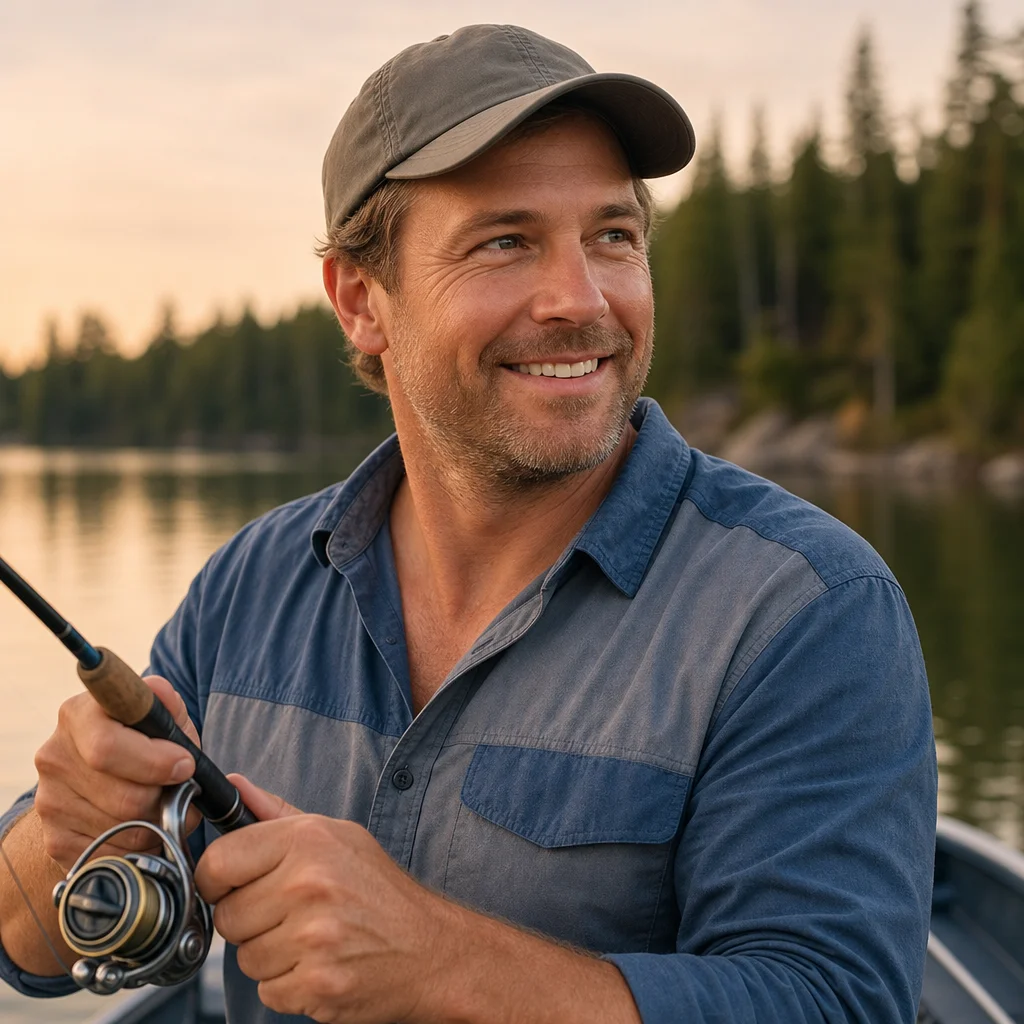
A two-hour fishing trip after work can feel too short to be worth the trouble—especially once I count the drive, parking, walking to the bank, and packing up before dark. The fix isn’t trying to fish faster. It’s making fewer decisions once the workday ends.
For a short session, I treat the trip as a focused outing: one nearby spot, one likely species or bite, and a small group of confidence baits. That leaves more of the available window for actual fishing and less for digging through a tackle bag while the best evening light slips away.
Start with the time you really have
“Two hours” should mean time with a line in the water, not the period between leaving the office and arriving back home. A spot that is 25 minutes away can turn a two-hour plan into little more than an hour of fishing after parking and walking in.
I like to work backward from the time I need to be home. Include a realistic travel estimate, a few minutes to get from the vehicle to the water, and enough time to pack up without rushing. If sunset is part of the plan, add the walk out in low light as well.
For example, a weeknight window might look like this:
- 5:15 p.m.: Leave work or home.
- 5:30 p.m.: Park and walk to the water.
- 5:35–7:15 p.m.: Fish.
- 7:15–7:25 p.m.: Pack up and walk back.
- 7:25–7:45 p.m.: Drive home.
That is a successful after-work trip, even though it produces 100 minutes of fishing rather than a full two hours. Setting that expectation keeps a short outing from feeling like a failed long one.
Choose an access point, not just a body of water
The best weeknight spot is usually not the biggest lake, the prettiest river, or the place rumored to hold the largest fish. It is the place where I can begin fishing quickly and safely.
Look for water with simple public access: a neighborhood pond, municipal lake, park shoreline, fishing pier, canal bank, small boat ramp, or a stretch of river with a designated access area. Ideally, it should have dependable parking close to the water and enough open bank to make a few casts without crowding other anglers.
A nearby location is even better when it has features that concentrate fish within casting range. Useful targets include:
- A dock, pier, or bridge shade line
- Riprap along a dam or causeway
- A point that reaches deeper water
- A culvert or creek mouth
- Weed edges and openings in vegetation
- Fallen timber or brush near the bank
- A steep shoreline where shallow water drops off quickly
On a short trip, I would rather fish one good piece of cover thoroughly than walk a mile trying to locate a better one. Evening fish often move shallow to feed, but that doesn't mean every shallow bank is equally good. Start around the places that offer shade, cover, current, depth, or a route between deep and shallow water.
It helps to keep a short list of three to five after-work waters. Each one should have a saved map pin, a known parking area, and a basic plan for where to start. Rotating among a few familiar spots also makes it easier to adapt when one is crowded, muddy, or closed.
Before you head to that access point: Confirm that the area is open, public, and available at the time you plan to fish. Check current fishing-license requirements, local rules, species limits, restricted areas, parking rules, and any park closing times through your state fish-and-wildlife agency and the property manager.
Pick one primary target for the evening
Trying to catch bass, panfish, catfish, and whatever else happens by can turn a two-hour trip into a tackle-switching contest. A more productive approach is choosing a primary target based on the water in front of me.
At a small pond with visible cover, I may focus on bass. At a community lake with a dock or open shoreline, panfish can provide steady action. If I have a known catfish hole and can arrive with bait ready, that can be a relaxed evening plan. The exact species matters less than having a clear starting point.
A simple objective also makes the trip more satisfying. Instead of measuring success only by the biggest fish, set a goal that fits the window:
- Cover three high-percentage pieces of shoreline cover.
- Catch one fish on a new presentation.
- Learn whether fish are holding shallow or deeper.
- Find a reliable bank-fishing position for future evenings.
- Spend an hour making deliberate casts instead of rushing.
Some evenings will still be quiet. That is fishing. But a focused trip can reveal useful information even without a bite: which wind direction makes one bank fishable, where weeds are growing, whether a dock is accessible, or how quickly a location gets crowded after work.
Build a small, dependable tackle kit
A limited tackle selection is one of the biggest advantages of an after-work trip. I don’t need every lure I own; I need enough gear to fish the conditions without creating choices that cost time.
For most bank-fishing outings, one rod is enough. A medium or medium-light spinning rod covers a wide range of freshwater situations and is easy to manage around tight access areas. If I know I will be casting heavier bass lures around thick cover, a baitcasting setup may make sense, but simplicity wins on an ordinary weeknight.
A compact kit can include:
- One rod and reel already rigged
- A small tackle box or waist pack
- Two or three lure or bait options
- Spare hooks, weights, and a small leader spool if needed
- Needle-nose pliers or a hook-removal tool
- Line cutters
- A small measuring device if keeping fish is an option
- A landing net only when the location or target species truly calls for it
- Water, insect repellent, sunscreen, and a light layer for changing weather
For bass or mixed-species pond fishing, I would keep the lure choices simple: a moving bait to cover water, a slower soft-plastic option for cover, and a compact topwater or reaction bait when conditions fit. For panfish, a few small jigs, hooks, bobbers, and appropriate bait can cover most situations. For catfish, pre-rig the terminal tackle and bring bait in a sealed container.
The key is to rig as much as possible before leaving. Tie on the starting lure at home, check the line for abrasion, and put pliers where I can reach them. Standing at the shoreline retying knots is sometimes necessary, but it shouldn't be the opening act.
Use a simple two-hour fishing sequence
A short outing benefits from a loose schedule. It prevents me from spending the entire session on a dead stretch simply because I haven't decided when to move.
First 15 minutes: Observe and start efficiently
Before casting, take a quick look at the water. Notice wind direction, water clarity, surface activity, shade, current, and where other anglers are positioned. Watch for baitfish, swirls, bluegill beds, or birds working the surface.
Then make a few purposeful casts with a presentation that covers water. Work the closest high-percentage target first. Fish often hold tighter to nearby cover than anglers expect, and casting past it before probing the edge can spook them.
Next 45 minutes: Fish the best available cover
Once I have a starting pattern, I slow down around the best targets. Make casts from different angles. Let a lure stay in the shade line longer. Work a weed edge from shallow to deep and then from deep to shallow if access allows.
If the water is featureless, cover shoreline steadily rather than making dozens of casts from one place. A few steps between casts can reveal fish spread along the bank.
Middle hour: Make one deliberate adjustment
If there are no signs of life after a reasonable effort, change one thing—not everything. Switch from a fast lure to a slower one, move from windblown water to a protected bank, fish deeper, or try a different type of cover.
Changing location can be worthwhile, but only when the second spot is close and clearly offers a different look. Spending 20 minutes driving across town usually defeats the purpose of an after-work session.
Final 20 minutes: Fish the highest-confidence area
Save the most reliable spot or presentation for the end. Evening light can bring feeding activity, particularly during warmer months, and it is worth being in a place where a fish is likely to use the bank, cover, or edge.
Set an alarm for pack-up time. It is easy to make “one last cast” until the walk back becomes darker and more hurried than it should be.
Make the trip easy to repeat
The best after-work plan is one you can use again next week. Keep a dedicated grab-and-go fishing kit stocked, charge a headlamp if late-evening walks are possible, and return used gear to the same place after each trip.
A short note on your phone can make future outings better. Record the location, approximate time, weather, water conditions, what you used, and whether you saw or caught fish. After a few trips, patterns start to emerge. You may find that one pond is best on calm evenings, one river access shines after a little rain, or one dock consistently produces during the last half-hour of daylight.
I also recommend keeping the standard high enough to be safe but low enough to be realistic. A two-hour trip doesn't need a perfect forecast, a packed cooler, or a tournament-sized tackle bag. It needs an accessible place, a legal plan, a rod ready to fish, and enough attention to make the time count.
Pick one nearby access point this week, pack the essentials the night before, and give yourself a defined fishing window. Even a brief evening on the water can turn an ordinary workday into time well spent.