How to Choose Between a Bank, Pier, and Kayak Trip
A beginner-friendly comparison of bank, pier, and kayak fishing, with a practical way to choose the right access method for the same water.
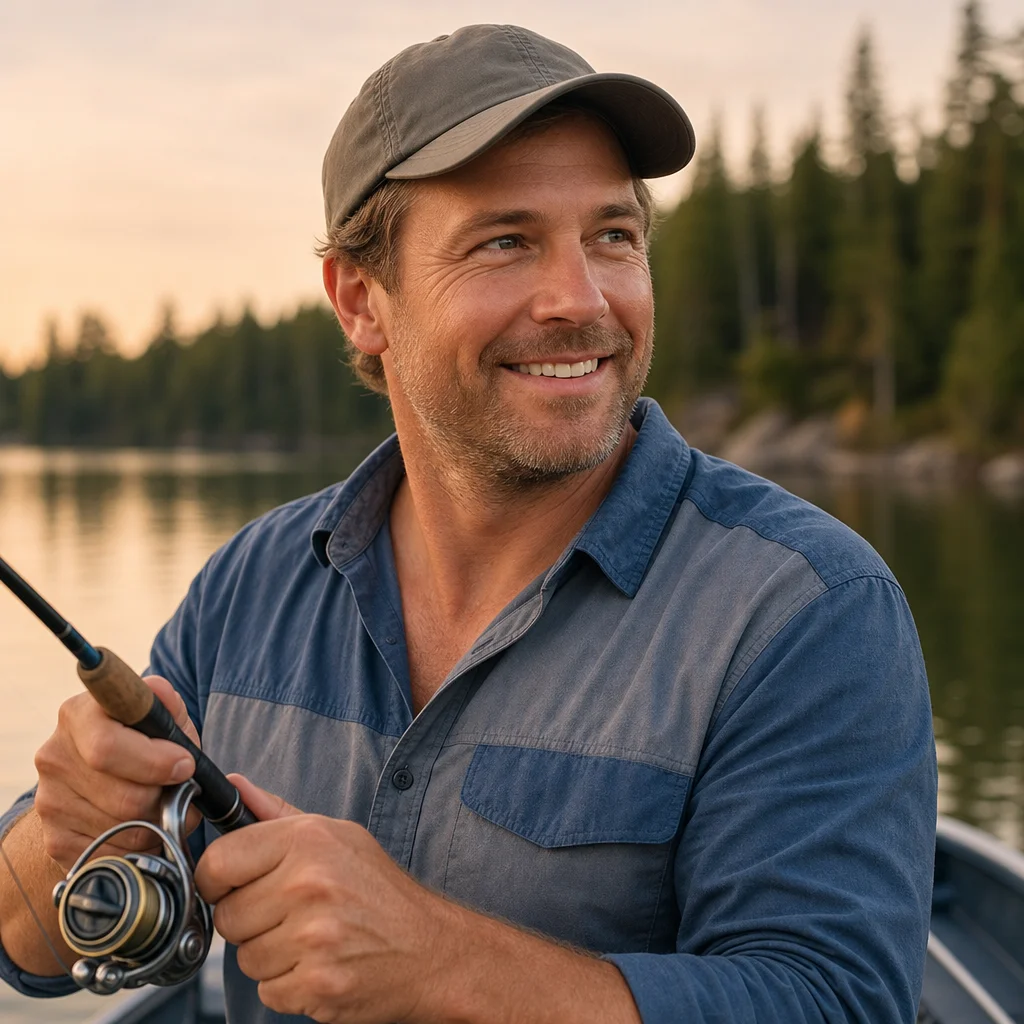
The water may be the same, but the trip can feel completely different depending on whether you fish from shore, a pier, or a kayak. For a beginner, the best choice usually isn’t the option that reaches the most water. It’s the one that lets you fish safely, comfortably, and with enough attention left over to notice a bite.
I like to start with a simple question: what is stopping the fish from being within casting range? Sometimes the answer is nothing, and a bank spot is all you need. Sometimes a pier clears the shallow water or puts you over deeper structure. Sometimes the fish are spread out enough that a kayak’s mobility is worth the extra planning.
Start With the Water and the Fish’s Location
Before choosing how to access an area, look at the kind of water you’ll be fishing.
On a small pond, narrow river, protected cove, or canal, fish may be close to shore around weeds, fallen timber, docks, rocks, or shade. A bank trip can put a beginner right in the game.
On a large reservoir, broad lake, bay, or coastal shoreline, productive water may be farther away. A pier can provide access to a channel edge, current seam, drop-off, or deeper water without requiring a boat. A kayak can be the better choice when likely fish-holding cover is scattered along a shoreline or across a flat.
Try not to assume that farther from shore always means better fishing. Many species use shallow water for feeding, cover, spawning, or warmth at certain times. A quiet bank presentation to visible cover often beats paddling past good water in search of a distant “secret spot.”
Bank Fishing: The Simplest Way to Get Started
Bank fishing is usually the least expensive, least complicated, and most forgiving way to fish a new place. You can arrive with a rod, a small tackle bag, water, and a landing net if the area calls for one. That simplicity matters when you’re learning knots, casts, bite detection, and fish handling all at once.
When a bank trip makes sense
Choose the bank when:
- You’re new to fishing or trying unfamiliar water.
- You have limited time and want a quick trip.
- The shoreline gives you access to visible cover, shade, current, or a drop-off.
- Wind or weather makes being on the water unpleasant or unsafe.
- You want to travel light.
- You’re bringing a child or someone who may not be comfortable on a kayak.
A good bank spot is more than an open patch of ground. Look for a place where you can cast without constantly snagging trees or grass, land a fish without climbing a steep slope, and move a short distance if the first presentation doesn’t work.
Bank fishing’s limitations
The major drawback is casting range and angle. Thick vegetation, private shoreline, steep banks, and shallow water can keep you from reaching productive areas. You also can’t easily change your position when wind shifts or the fish move.
Crowds can be another issue, especially at public ponds and popular shoreline parks. If you’re fishing around other people, give them room and avoid casting across their line. A little shoreline etiquette prevents a lot of tangled-line diplomacy.
Gear that keeps a bank trip easy
For most freshwater bank trips, I’d keep the loadout modest:
- One versatile rod and reel
- A small selection of hooks, weights, bobbers, and lures
- Pliers or forceps
- Line cutters
- Drinking water and sun protection
- A small bag for discarded line and packaging
A backpack or shoulder tackle bag is often better than a large tackle box, especially if you may walk between spots. Bring a chair only when you expect to stay in one place; otherwise, it becomes one more thing to drag through the grass.
Pier Fishing: More Reach Without a Boat
A pier is a useful middle ground between fishing from the bank and fishing from a kayak. It can put you over deeper water, beyond shoreline vegetation, or near moving water while keeping your feet on a stable platform.
For beginners, that extra access can be valuable. You can fish vertically beneath the pier, cast along its sides, or cast outward toward deeper water. In many places, pilings and shade beneath a pier create cover that attracts baitfish and the predators that follow them.
When a pier trip makes sense
Choose a pier when:
- Shoreline water is too shallow to fish effectively.
- You want access to deeper water without launching a boat.
- You’re fishing a lake, river, bay, or coast where current or depth matters.
- You want a stable place to fish with a friend, family member, or more gear.
- You’d rather avoid the physical demands of paddling.
Piers can be especially helpful in tidal or current-driven water because they provide a fixed platform near moving water. That doesn’t make every pier productive, though. Pay attention to where current runs around pilings, where bait gathers, and where your bait can reach bottom without immediately fouling in structure.
Pier fishing’s limitations
A pier gives you reach, but not true mobility. You’re still committed to one general area, and a busy pier can limit where and how you cast. Vertical distance can also make landing fish trickier, particularly if the deck sits well above the water.
A long-handled landing net may be necessary in some locations. For larger fish, local pier anglers may use specialized equipment and techniques, but beginners should keep things simple and avoid attempting to lift fish by the line alone.
Piers also tend to be exposed. Wind can make casting difficult, rain can make surfaces slick, and sun exposure can sneak up on you when there’s no tree line nearby.
Gear adjustments for pier fishing
In addition to basic tackle, consider bringing:
- A longer landing net if the deck is elevated
- A rod holder, if permitted and useful for the spot
- Extra sinkers for current or wind
- A towel and pliers for handling fish safely
- A small cooler or insulated bag if you plan to keep legal fish
- A hat, sunscreen, and layers for changing conditions
Keep your gear compact and behind you, not spread across the walking path. Piers are shared spaces, and loose rods, bags, and hooks can create problems quickly.
Check the pier before you settle in: Confirm current access hours, fishing rules, permit requirements, posted restrictions, and whether a landing net or specific gear is needed. If the pier is exposed to waves, lightning, strong wind, or slick conditions, choose a safer option or postpone the trip.
Kayak Fishing: The Most Mobility, With More Responsibility
A kayak opens water that bank and pier anglers may not reach. You can work a long stretch of shoreline, approach cover from a better angle, drift over a flat, or quietly position yourself near structure. In the right conditions, that mobility can make a major difference.
But a kayak isn't simply a floating bank. It adds transportation, launch planning, balance, weather exposure, and water-safety decisions to the fishing trip. For that reason, I’d recommend it after you’re comfortable with basic fishing gear and have some paddling practice in calm, protected water.
When a kayak trip makes sense
Choose a kayak when:
- Productive cover is spread over a large area.
- Shore access is limited but a public launch is available.
- You need better casting angles around docks, reeds, points, or timber.
- You can safely paddle and return in the expected conditions.
- You have time to load, launch, recover, and clean up the kayak.
- You’re willing to carry less gear and stay organized.
A kayak is especially useful on quiet lakes, protected coves, slow-moving rivers, and sheltered marshes. It can also be effective in larger water, but bigger water demands better judgment, more experience, and a closer look at wind, waves, boat traffic, and current.
The kayak learning curve
The fishing part is only one skill. You’ll need to learn how to launch and land, paddle efficiently, turn into wind, manage gear without losing it, and maintain balance while casting or landing a fish.
Start with short outings close to a launch. Practice entering and exiting the kayak, adjusting your seat, reaching your gear, and paddling back into a light breeze. If you can do those things calmly, fishing becomes much more enjoyable.
Organization matters more in a kayak than on shore. Every loose item can roll, blow away, or end up in the water. Bring fewer lure boxes, secure rods when you’re moving, and use leashes thoughtfully for items that would be expensive or difficult to replace.
Kayak costs and logistics
A kayak trip generally has the highest upfront cost of the three options. Beyond the kayak itself, you may need a paddle, properly fitted personal flotation device, transport solution, storage space, safety gear, and possibly a cart for long walks from parking to the launch.
There are also ongoing practical costs: vehicle fuel, launch or parking fees where applicable, replacement gear, and maintenance. None of that means a kayak is a bad value. It simply means it’s worth making sure you’ll use it regularly before buying more boat than your local water requires.
A basic, stable recreational or fishing kayak is usually more helpful to a beginner than a feature-heavy model that is difficult to transport or control. The best kayak is often the one you can safely launch by yourself and actually take fishing.
Plan the paddle, not just the fishing: Check the day’s weather, wind direction and strength, water conditions, launch access, and any local boating or safety requirements. Wear a properly fitted personal flotation device while on the water, tell someone where you’re going, and skip the trip if conditions exceed your comfort or experience.
Compare the Three Options at a Glance
| Factor | Bank | Pier | Kayak |
|---|---|---|---|
| Upfront cost | Lowest | Low to moderate | Highest |
| Setup time | Fast | Fast to moderate | Moderate to high |
| Mobility | Limited | Limited | High |
| Access to deep water | Depends on shoreline | Often good | Excellent where safe to paddle |
| Gear capacity | Moderate | High | Limited and must be secured |
| Weather exposure | Can offer some shelter | Often exposed | Most exposed |
| Physical demand | Low | Low | Moderate |
| Learning curve | Lowest | Low to moderate | Highest |
| Best for | Quick, simple trips | Depth and shared access | Covering water and reaching scattered structure |
Use This Decision Checklist for the Same Area
If you have access to all three options, work through these questions in order.
1. Can I reach likely fish-holding water from shore?
If the answer is yes, start with the bank. You’ll spend less time managing logistics and more time learning what the fish are doing. Focus on shoreline cover, shade, transitions from shallow to deep water, and moving water in rivers.
2. Would a pier give me a meaningful advantage?
Pick the pier if it reaches depth, current, structure, or open water that the bank can't. A pier is often the sensible choice when you want better access without the added complication of paddling.
3. Do I need mobility, or just more casting distance?
This is an important distinction. If you merely need to get a little farther out, a pier or a different bank location may solve the problem. Choose a kayak when you need to change locations, approach cover from multiple angles, or cover a broad area methodically.
4. What will the weather do to each option?
Wind that is manageable from a bank can make a pier uncomfortable and a kayak trip difficult. A passing storm may send you to the car from any of the three. If conditions are uncertain, the bank is generally the easiest option to leave quickly.
5. How much time do I really have?
For an hour before dinner, bank fishing is hard to beat. For a half-day trip with a friend, a pier may offer comfort and room to spread out. For a planned morning on a calm lake, a kayak can be worthwhile because the travel and setup time are part of the experience.
Make the Choice Fit Your Current Skill Level
Beginners don’t need to “graduate” from bank fishing to piers and then kayaks. Each method is useful in the right situation. Still, there’s a sensible progression if you’re building confidence.
Start on the bank to learn your tackle and develop the habit of reading water. Add piers when you want to fish deeper water or current with a stable platform. Try a kayak after you can handle the boat safely in calm conditions and understand that fishing plans must yield to changing weather and water conditions.
The goal isn't to own every kind of fishing setup. It’s to choose the access method that matches the water, the conditions, and the trip you can comfortably manage. For your next outing, identify one likely fish-holding area, then ask whether the bank can reach it, the pier improves on it, or a kayak truly gives you a worthwhile advantage. That simple comparison will lead to better decisions—and fewer trips spent hauling gear farther than the fish ever were.