What to Pack for a First Multi-Day River Fishing Camp
A beginner-friendly packing system for a first multi-day river fishing camp, covering tackle, clothing, food, water, repairs, navigation, and changing weather without overpacking.
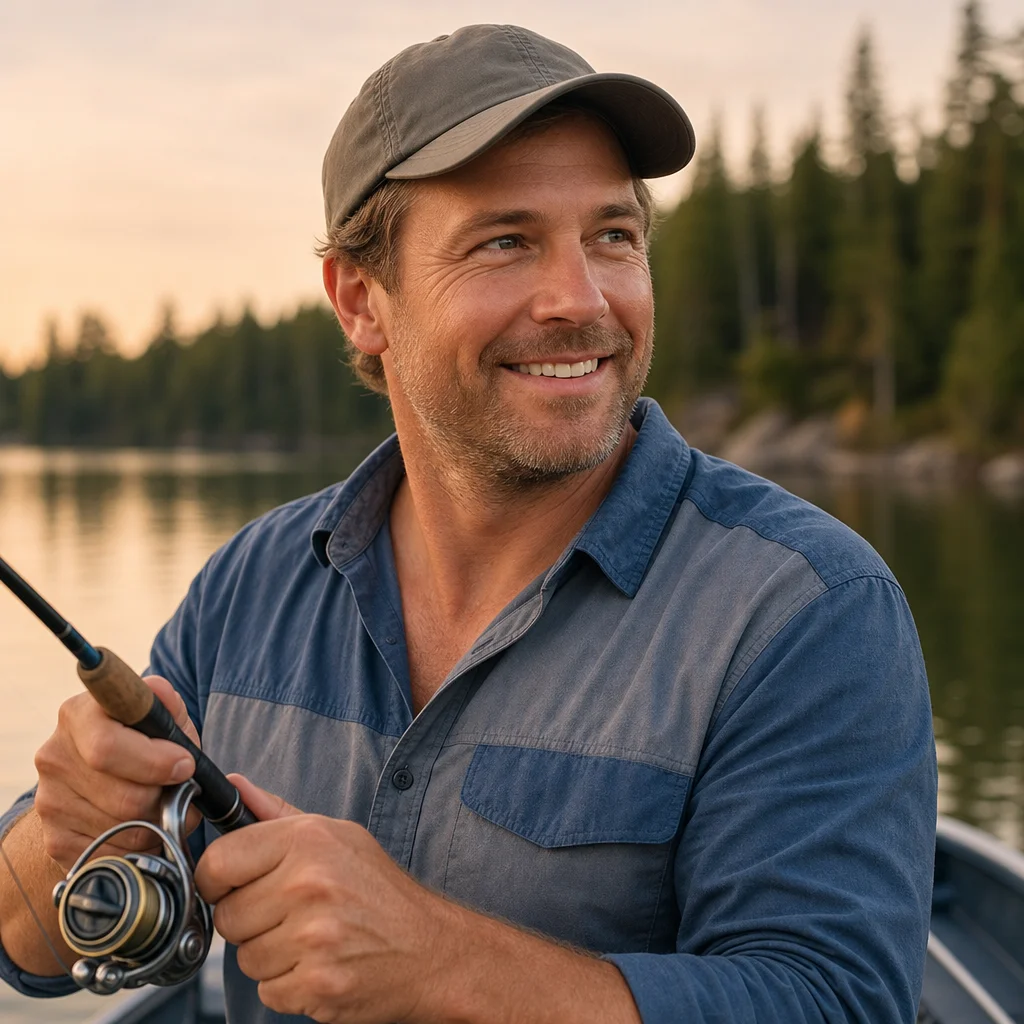
A first multi-day river fishing camp can feel like a gear test before you ever make a cast. The trick isn't packing for every possible problem. It’s packing enough to stay safe, dry, fed, and fishing when the small problems show up.
I like to build a river-camp packing list around systems: sleep, clothing, food and water, fishing gear, navigation, repairs, and safety. That approach keeps important items from getting buried under a pile of “maybe I’ll need this” gear.
Start With the Trip, Not the Gear
Before filling a tote, answer a few basic questions:
- How many nights will you be out?
- Will you hike, paddle, drive, or boat to camp?
- How far is the nearest vehicle, road, or help?
- What species are you targeting?
- Will you be wading, fishing from shore, or using a boat?
- What temperatures, rain, wind, and river conditions are likely?
A two-night drive-in trip has a very different packing list from a three-night float trip where every pound and dry bag matters. If you have easy access to your truck, you can bring a few comfort items and backups. If you are carrying or paddling your equipment, every duplicate should earn its space.
The simplest rule is this: bring backups for items that can end the trip if they fail, not for everything you own. A spare lighter, headlamp batteries, line, and a basic repair kit are sensible. Three spare rods usually aren't.
Check the river plan before you load up. Verify the current fishing license requirements, access rules, camping restrictions, fire conditions, weather forecast, and river flow for the exact stretch you plan to fish. River levels can change quickly, and permitted campsites or seasonal closures may affect where you can stay.
Pack Your Sleep System for Damp Ground and Cool Nights
Even a warm day near a river can turn into a chilly night once the sun goes down. Moisture is the other issue. Dew, rain, wet grass, and condensation have a way of finding sleeping gear that wasn't protected.
Your basic sleep setup should include:
- Tent, tarp shelter, or other weather-appropriate shelter
- Groundsheet sized so it doesn't stick out beyond the tent floor
- Sleeping bag rated for expected nighttime temperatures
- Sleeping pad for insulation and comfort
- Small pillow or stuff sack filled with spare clothes
- Dry bag or waterproof liner for sleeping bag and camp clothes
A sleeping pad matters as much as the sleeping bag. Cold ground pulls heat away from your body, and a bag alone won't do much once its insulation is compressed beneath you.
For a first trip, I’d favor a simple freestanding tent over a complicated ultralight shelter. A few extra ounces are often worth the easier setup when rain is starting or daylight is fading.
Use a Simple Clothing System
Packing clothing for a river trip is less about bringing more outfits and more about keeping one set of dry clothes protected. Avoid relying on cotton for layers that may get wet. Cotton holds moisture and can leave you cold once the temperature drops.
Wear or Keep Accessible
- Quick-drying shirt and pants or shorts
- Sun hat and polarized sunglasses
- Wading boots, sturdy water shoes, or footwear suited to the river bottom
- Light rain jacket
- Sunscreen and lip balm
- Insect repellent when conditions call for it
Polarized glasses are useful beyond comfort. They cut glare, help you see structure and depth changes, and protect your eyes from hooks, sinkers, and flying lures.
Store in a Dry Bag
- Insulating midlayer, such as fleece or wool
- Extra socks and underwear
- Warm hat for cool evenings
- Dry camp shirt and pants
- Rain pants if wet weather is expected
- Lightweight gloves in cool conditions
Keep this dry bag closed unless you need something. It is your reset button after an unexpected swim, a soaking rain, or a long wet day of wading.
If you are bringing waders, inspect them at home. Check seams, boots, belts, and any patch jobs. A wading belt is a small but important item: wear it snugly around the outside of waders to reduce the amount of water that can rush in if you fall.
Keep Fishing Tackle Focused and Protected
The most common beginner packing mistake is bringing the whole tackle collection. River fishing rewards a compact selection you understand and can replace or repair easily.
For most first multi-day trips, one primary rod and one backup rod is plenty if transportation allows. Match the setup to the fish and water you expect, then carry a limited selection of proven terminal tackle and lures.
A practical tackle kit might include:
- Primary rod and reel, spooled with fresh line
- Backup rod or compact spare setup
- Small tackle box or waterproof tackle pouch
- A few confidence lures, flies, or bait rigs in several sizes and colors
- Hooks, swivels, split shot, jig heads, bobbers, or other terminal tackle for your method
- Leader material or extra line
- Line clippers or small scissors
- Needle-nose pliers or forceps
- Hook remover
- Landing net if it fits your target species and travel method
- Measuring tape or small ruler if you need to check fish length
- Fishing license stored in a waterproof pouch, if required
Choose lures by covering situations rather than filling every compartment. For example, a small selection might include one shallow-running option, one deeper presentation, one natural-colored bait or lure, one brighter option for stained water, and a few small terminal-tackle replacements.
Put frequently used items—pliers, clippers, a few hooks, and the day’s lures—in a vest, sling pack, or waist pack. Keep the rest at camp or sealed in a dry bag. That reduces clutter while wading and makes a dropped tackle box less painful.
Plan Food and Water Around Reliable Meals
River water may look clean and still contain microorganisms or contamination. Bring a dependable way to carry and treat drinking water rather than assuming you can drink directly from the river.
For a short trip, I recommend combining carried water with at least one treatment method. Good options include a filter, purification tablets or drops, or a purifier designed for backcountry use. A collapsible water container is useful for collecting water at camp, while a bottle or hydration reservoir handles drinking during the day.
A Straightforward Food Plan
Build meals from foods that are easy to prepare, filling, and unlikely to spoil quickly. Aim for familiar meals rather than trying elaborate camp cooking for the first time.
Consider packing:
- Breakfasts: oatmeal, instant grits, breakfast bars, coffee or tea
- Lunches: tortillas, tuna or chicken packets, nut butter, cheese that travels well, trail mix
- Dinners: dehydrated meals, rice or pasta packets, canned meals, shelf-stable sausage, or foil-pack proteins
- Snacks: nuts, jerky, dried fruit, crackers, energy bars, and electrolyte drink mix
- A little extra food in case weather, low water, or a mechanical problem delays your exit
Bring a camp stove, enough fuel, a lighter, and a backup ignition source if you plan to cook. A compact pot, mug, spoon, and small knife cover most simple meals. A cooler can be useful for vehicle-based camps, but it adds weight and requires a realistic ice plan.
Store food securely. In areas with bears, raccoons, rodents, or other wildlife, use the storage method recommended for that location. Keep food scraps and scented items from becoming an invitation around camp.
Bring a Small Repair Kit That Solves Common Problems
You don't need a hardware store in your dry bag. A compact repair kit can handle the failures most likely to interrupt a trip.
Include:
- Duct tape wrapped around a water bottle or trekking pole
- Zip ties
- Multi-tool or pocketknife
- Spare reel line and leader material
- A few spare hooks and terminal-tackle pieces
- Small tube of flexible gear repair adhesive, if appropriate for your equipment
- Tent-pole sleeve or basic tent repair supplies
- Patch material for inflatable gear, waders, or sleeping pads when applicable
- Spare stove parts or batteries if your specific equipment needs them
Test your stove, headlamp, water filter, and reel before leaving home. This is one place where a few minutes in the driveway can prevent a long evening beside the river.
Navigation, Communication, and Safety Belong Near the Top of the List
A phone is helpful, but river valleys often have poor service and batteries drain faster than expected. Carry a paper map of the area and know how to read the basic features around your route: access points, tributaries, roads, campsites, and likely exit locations.
Your navigation and safety kit should include:
- Paper map in a waterproof case
- Compass and basic knowledge of how to use it
- Charged phone in a waterproof case
- Power bank and charging cable
- Headlamp plus spare batteries or a second small light
- First-aid kit suited to the group and trip length
- Whistle
- Emergency blanket or bivy
- Fire-starting supplies where fires are allowed
- Personal flotation device for boating or situations where it is appropriate
Tell a reliable person where you are going, where you expect to camp, who is with you, and when you plan to return. Give them a clear point at which they should contact authorities if you don't check in.
Treat moving water with respect. Use a wading staff if the bottom is uneven or the current is strong, unbuckle any pack waist belt before deep wading, and don't try to cross water that feels beyond your footing or experience. Fish are rarely worth a bad decision halfway across a river.
Organize Everything by When You Will Need It
Good packing is also good organization. I like three layers:
- On-body gear: license, phone, snacks, water, a few tackle items, rain shell, and basic first aid.
- Day-access gear: food, water treatment, extra tackle, warm layer, and navigation tools in a daypack or accessible dry bag.
- Camp gear: shelter, sleeping system, most food, cooking gear, and spare clothing packed deeper or transported separately.
Use dry bags or heavy-duty waterproof stuff sacks for clothing, sleeping gear, electronics, and food. Labeling bags can help, but different colors often work just as well: one for sleep, one for clothes, one for food, and one for fishing extras.
Before leaving, lay everything out and remove one or two nonessential items. If you can't explain when you will use an item, it may stay home. The exception is safety equipment: leave that in the pile even if you hope not to touch it.
Do One Final Shake-Down at Home
Pack the way you will travel, then lift and carry the load for a few minutes. If it feels awkward in the driveway, it will feel worse on a muddy bank or during a long carry from the access point.
Set up the tent once, run the stove, charge the lights, check the reel drag, and make sure your water-treatment setup is complete. Then put your first-day fishing gear and rain layer where you can reach them without unpacking camp.
For a first multi-day river camp, simple and dependable beats specialized and excessive. Bring gear that keeps you dry, fed, oriented, and able to fish comfortably. Once you have one trip behind you, you will know exactly which comforts were worth carrying—and which items never left the bag.