What Should I Pack for a Winter Shore-Fishing Morning?
A practical cold-weather packing plan for beginner shore anglers in the Northeast and Great Lakes, with layers, hand care, tackle organization, food, and sensible turnaround decisions.
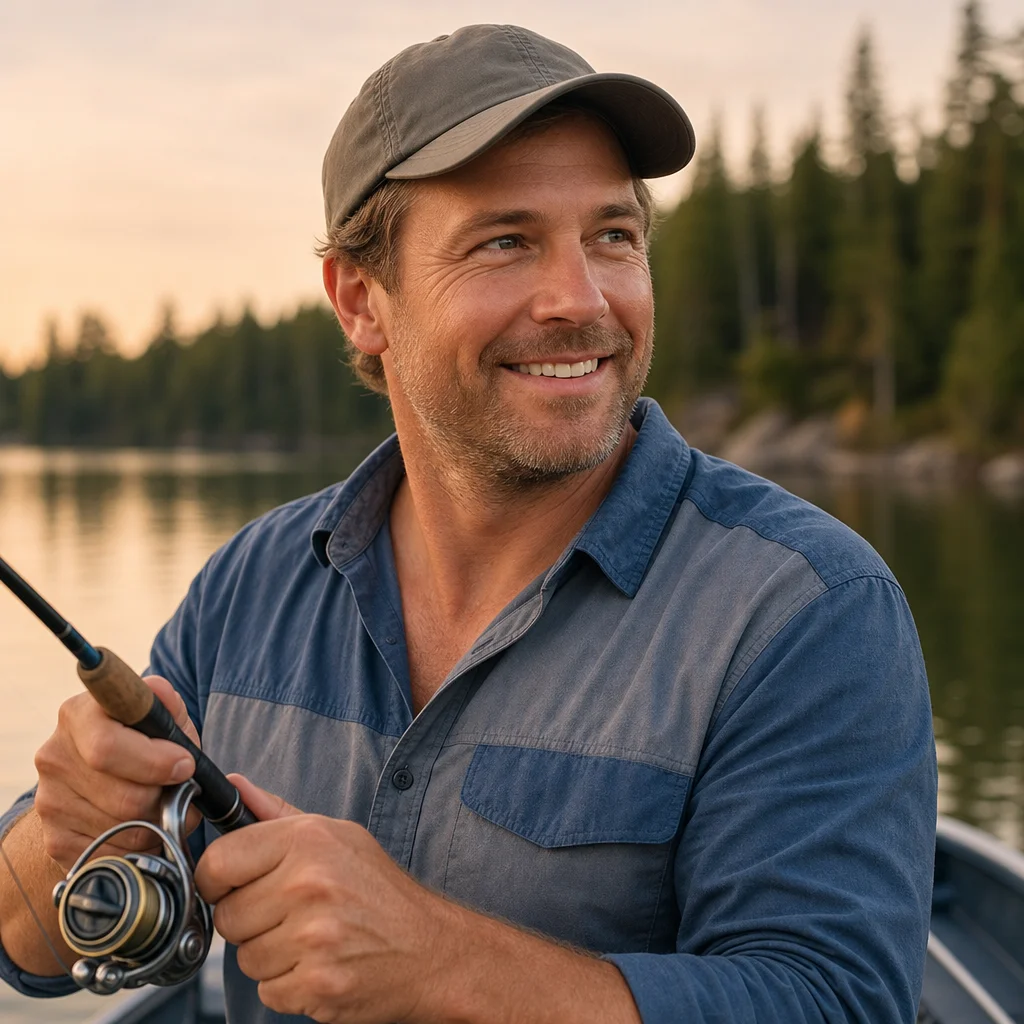
Winter shore fishing can be productive, quiet, and pleasantly simple—until cold hands, wet boots, or a stiff breeze turn a short outing into a miserable one. For a beginner, the goal isn’t to carry everything you own. It’s to pack enough to stay warm, keep essential tackle usable, and leave before conditions become a problem.
I think of a winter morning pack in three groups: what keeps me dry and warm, what lets me fish efficiently, and what helps me make a good decision when the weather changes.
Start with a layering system, not one heavy outfit
The biggest clothing mistake is dressing for the temperature shown on an app rather than the conditions at the bank. Wind off open water, damp air, and standing still can make a modestly cold morning feel much colder.
A dependable setup uses three layers:
- Base layer: Moisture-wicking long underwear or another synthetic or wool layer next to the skin. Avoid cotton, which holds moisture and loses insulating value when damp.
- Midlayer: Fleece, wool, or a light insulated jacket that traps warmth. This is the layer I’d add or remove as activity and temperatures change.
- Outer layer: A windproof, water-resistant or waterproof shell. It doesn’t need to be an expensive fishing jacket, but it should block wind and shed spray, rain, or snow.
For pants, insulated bibs are useful when I expect to stand in wind or snow for hours. For a short session, long underwear under durable pants plus a rain or wind shell may be enough. The important part is leaving room to move, cast, bend, and walk safely.
Bring an extra pair of warm socks in a sealed bag. Wet feet can end a morning fast, whether the moisture comes from snow, slush, a leaky boot, or an unexpected step into shallow water.
Don’t overlook your head, neck, and feet
A knit hat, neck gaiter, and insulated waterproof boots earn more space in the pack than many extra lure boxes. A gaiter can cover your neck and lower face when the wind comes up, then pull down when you’re moving and warming up.
Choose boots with enough room for warm socks without squeezing your feet. Tight boots reduce circulation and can make feet colder. Good tread matters on muddy banks, frosty boat ramps, wet rocks, and packed snow. If the shoreline is icy, traction cleats that fit over your boots can be a sensible addition.
Keep your hands warm without giving up all dexterity
Hands are usually the first part of me that objects to a winter fishing plan. The solution isn't necessarily the thickest gloves; it’s having a system that lets you handle line, clips, bait, and fish.
Pack two types of hand covering:
- Warm insulated gloves or mittens for walking, waiting, and warming up.
- A thinner pair of water-resistant gloves for tying knots, casting, and handling gear.
Fingerless gloves with a fold-over mitten flap can work well for some anglers, but they leave fingertips exposed during fine work. Another practical approach is to fish briefly with thin gloves, then put insulated mittens back on between casts or while watching a rod.
Bring a spare dry pair in a zip-top bag. Gloves get wet from fish slime, snow, bait, and wet line much faster than most people expect.
A small hand towel is useful for drying hands before putting gloves back on. Disposable hand warmers can help, especially if you keep them in an inside pocket where they’ll stay warmer and last longer. They’re a comfort item, not a substitute for proper gloves and a dry layer.
Pack tackle for quick access and fewer frozen-finger tasks
Winter is a good time to fish simply. Cold fingers make frequent lure changes and complicated setups less enjoyable, so I’d select a small, focused tackle kit for the species and water I plan to fish.
A compact shoulder bag, sling pack, or small backpack is usually easier than a large tackle box. It leaves a hand free for navigating uneven ground and keeps the gear close when you need it.
For a typical shore session, pack:
- A rod and reel already spooled with suitable line
- A small selection of proven lures, hooks, weights, and terminal tackle
- Pre-tied leaders or a few rigs prepared at home
- Needle-nose pliers or forceps
- Line cutters or compact scissors
- A small landing net if the bank is steep, rocky, or elevated
- A measuring device if you may keep fish or want to document a catch
- A plastic bag for trash and used line
Preparing a few leaders at home is one of the best winter shortcuts. Rather than tying a leader from scratch with numb fingers, I can clip on a replacement and get back to fishing. Keep small items such as snaps, swivels, hooks, and split shot in a compartmented waterproof box so they don’t disappear into the bottom of a bag.
If you’re using bait, pack it in a separate leakproof container. A small insulated lunch bag can keep bait from freezing solid during a long morning while keeping it away from dry gloves and snacks.
Protect the reel and line from cold-weather trouble
Cold weather can make line stiffer, especially heavier monofilament, and water on guides can freeze. Before leaving home, check that the reel turns smoothly and the line is in good condition. A reel that feels questionable in the garage won’t improve at a windy shoreline.
Bring a small absorbent cloth to wipe rod guides and reel surfaces. Check guides periodically if temperatures are near or below freezing. Ice buildup can damage line, interfere with casting, and make it difficult to feel a bite.
Avoid forcing a frozen reel handle, bail, or guide. Take a moment to clear ice gently and warm the gear if needed. Trying to muscle through it is an easy way to turn a minor inconvenience into broken equipment.
Carry food and drinks that are easy to use in the cold
A winter fishing morning doesn’t require a full camp kitchen, but warm fluids and easy calories make a difference. Pack a hot drink in an insulated bottle, plus water in a bottle you can open with gloves or cold hands.
Cold weather can dull thirst, but you still need fluids. Take regular small drinks instead of waiting until you feel thirsty.
For food, choose items that won’t become hard as a rock in the cold. Good options include:
- A sandwich wrapped tightly in a bag
- Trail mix or nuts
- Cheese and crackers in a small container
- Energy bars that remain soft in low temperatures
- Fruit such as an apple or clementine
Keep snacks in an inside jacket pocket if possible. This makes them easier to eat and gives you a reason to briefly warm your hands.
Build a small safety and comfort kit
A few compact items can make a big difference when a minor problem arises. My basic winter shore kit would include a charged phone in a waterproof pouch, a small first-aid kit, a headlamp, extra batteries if applicable, and a whistle.
A headlamp matters even for a morning trip. Cloud cover, a long walk through woods, a delayed return, or a slow bite can put you on the trail after daylight fades. It also lets you manage tackle without holding a flashlight in your teeth—the classic sign that a trip has become more complicated than planned.
Keep your phone accessible but protected. Cold drains batteries quickly, so storing it in an inside pocket can help. If you’re fishing alone, tell someone where you’re going, where you expect to park, and when you plan to be back.
Before you head to that shoreline: Check the forecast for air temperature, wind, precipitation, and changing conditions at the specific water you’ll fish. Also confirm public-access rules, local fishing regulations, and any site closures. Around the Great Lakes and in the Northeast, conditions can differ sharply between a sheltered parking area and an exposed shore.
Set turnaround rules before the fishing gets good
The safest time to decide when to leave is before you make the first cast. Once fish start biting—or once you’ve driven a long way—it’s easy to talk yourself into staying through conditions that have clearly become worse.
I’d set a few simple rules such as:
- Leave if boots, socks, gloves, or inner layers become wet and I can’t replace or dry them.
- Leave if I’m shivering continuously, losing hand function, or can’t tie basic knots safely.
- Leave if wind, waves, or spray are pushing me closer to unstable footing.
- Leave if ice, snow, darkness, or rising water makes the route back uncertain.
- Leave if I’m no longer paying attention to footing because I’m focused on the next cast.
Be especially careful around steep banks, breakwalls, current, moving water, and shore ice. A hard freeze doesn't make every edge safe, and ice near inlets, outlets, current, docks, and waves can be unpredictable. Fish from stable ground well back from hazardous edges rather than trying to gain a few extra feet of casting distance.
Pack the night before and keep the morning simple
Winter mornings are easier when the decisions are already made. Lay out your clothes, fill the thermos, charge the phone, prepare leaders, and put your small tackle bag by the door. I like to keep a written checklist in the bag until the routine becomes automatic.
For your first few cold-weather shore trips, plan a short session close to home or close to the vehicle. You’ll learn which gloves work, whether your boots are warm enough, and how much tackle you actually use without committing to an all-day outing.
A good winter pack won’t guarantee a fish, but it gives you a much better chance to enjoy the morning, fish effectively, and head home while the outing still feels like a good idea.