How Do I Plan a First Fishing Trip Without Overpacking?
A practical, beginner-friendly packing system for shore anglers who want a simple first fishing trip without hauling a garage full of gear.
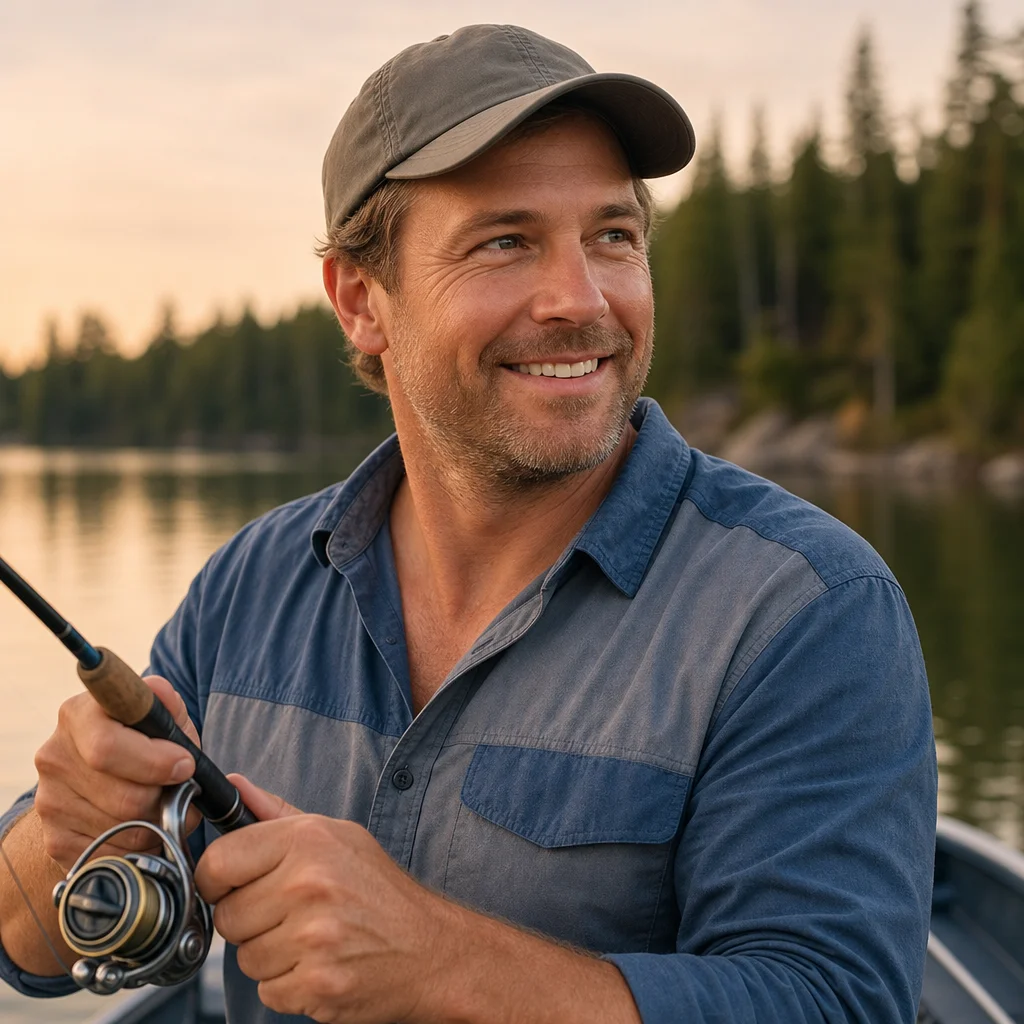
A first fishing trip can get complicated fast if you start packing for every species, every weather change, and every problem that might happen. I’ve found that beginners do better with a small, purpose-built setup: enough gear to fish comfortably, but not so much that finding a hook becomes its own expedition.
For a simple day of shore fishing, pack around one plan: one place, one target type of fish, and one fishing method. Everything else should support that plan.
Start with the trip, not the tackle
Before loading a bag, answer a few basic questions:
- Where will you fish: a pond, small lake, riverbank, beach, or public pier?
- How long will you stay?
- What fish are commonly available there?
- Will you use bait, lures, or a little of both?
- How far will you carry your gear from the car?
For most first-time shore anglers, a neighborhood pond or accessible lake is the easiest choice. Bluegill, sunfish, crappie, catfish, and bass are common beginner targets in many North American waters, though the mix varies by location.
The goal isn't to cover every possibility. If you’re fishing a pond for panfish, you don’t need a surf rod, a dozen crankbaits, or gear for landing a trophy muskie. A light or medium-light rod, a small tackle box, and a few proven bait options will get you started.
Check the water you’re about to fish
Look up the location’s current fishing rules, access hours, required license, species limits, and bait restrictions through the relevant state, provincial, tribal, or local authority. Rules can differ even between nearby waters, and some parks or piers have their own regulations.
Use the “one bag, one rod” rule
For a first trip, I recommend taking one rod and reel plus one backpack, shoulder bag, or compact tackle bag. If it doesn’t fit comfortably, ask whether you genuinely need it.
A basic spinning combo in the 6- to 7-foot range is a versatile starting point for freshwater shore fishing. Pair it with appropriately sized line for the fish you expect to catch, and keep the rest of your setup simple.
This approach has a few advantages:
- You spend more time fishing and less time sorting equipment.
- You can move along the bank without making three trips back to the car.
- Fewer choices make it easier to learn what is and isn’t working.
- You’re less likely to lose small items in grass, gravel, or the bottom of a large tackle box.
If you’re going with a friend or family member, avoid duplicating every item. One person can carry a small first-aid kit, for example, while another brings a net if one is useful for the location.
Pack tackle in small, useful categories
A beginner’s tackle selection should cover a few basic jobs: tie on a bait or lure, adjust depth, handle a bite, and safely release a fish. You don’t need a wall of colorful packages.
Core terminal tackle
Put these in a small organizer with labeled compartments if possible:
- Hooks in two or three sizes suited to your target fish
- A small assortment of split shot weights
- A few bobbers or floats
- A few swivels, if your chosen rig calls for them
- Spare pre-tied leaders only if you know you’ll use them
For an uncomplicated pond setup, a small hook, a bobber, and one or two split shots can be enough to fish live bait or a small piece of worm. Keep weights modest; too much weight can make casting awkward and reduce the natural movement of bait.
A limited bait or lure selection
Choose one primary approach and one backup, rather than packing every lure category at the tackle shop.
For example:
- Panfish: worms, waxworms where permitted, small jigs, or tiny soft plastics
- Bass: a few soft plastic worms, a compact spinnerbait, or a small crankbait suited to the water depth
- Catfish: prepared bait or natural bait allowed at that water, plus a few larger hooks and sinkers
Bring only a handful of each. Three lure styles in a couple of colors are plenty for a first outing. The fish may not cooperate, but carrying 40 more lures usually doesn’t solve the real problem.
Line and a few repair items
Keep a small spool of spare line in the bag if your reel line is old, damaged, or likely too light for the conditions. Add a compact line cutter or nail clippers, plus needle-nose pliers or fishing forceps for removing hooks.
A small towel or rag is also more useful than it sounds. It helps with wet hands, muddy gear, and handling a fish briefly when needed.
Wear clothing that works from shore
Fishing clothes don't need to be specialized. They do need to be comfortable, weather-appropriate, and okay to get dirty.
Start with these basics:
- Comfortable closed-toe shoes with decent grip
- A hat with a brim
- Sunglasses with UV protection
- Lightweight layers you can add or remove
- A rain jacket if rain is possible
- Sunscreen and insect repellent when conditions call for them
Closed-toe shoes are especially important on uneven banks, around hooks, and near broken glass or sharp rocks. Save flip-flops for the backyard unless you’re fishing a location designed for that kind of footwear.
Polarized sunglasses can make it easier to see glare-free water near shore, but their bigger benefit is eye protection from hooks, lures, and flying line. They’re one of the more sensible pieces of fishing-specific gear to own.
Match your clothes to today’s conditions
Check the local forecast, wind, water level or tide information where relevant, and any heat, storm, or air-quality alerts shortly before leaving. Shore conditions can feel much cooler, hotter, or windier than they do at home.
Bring food and water without turning it into a campsite
For a half-day outing, a refillable water bottle and one or two easy snacks are usually enough. Granola bars, fruit, sandwiches, trail mix, and crackers travel well and don’t require much cleanup.
If you expect hot weather, a longer walk, or several hours in direct sun, bring more water than you think you’ll casually sip. A small insulated lunch bag or soft cooler can make sense for a longer day, but it isn't essential for a short session near the car.
Pack out every wrapper, bait container, and broken piece of line. Loose fishing line is particularly harmful around wildlife and unpleasant for the next person who finds it wrapped around their feet or lure.
Don’t skip the small safety essentials
A simple safety kit takes little space and earns its place in the bag. Mine would include:
- Small first-aid kit with bandages and antiseptic wipes
- Hand sanitizer or wipes
- Hook-removal pliers or forceps
- Phone in a waterproof pouch or resealable bag
- A charged portable battery for a longer outing, if you have one
- A whistle or small light if you might be out near dusk
Be careful when casting, especially on busy banks. Look behind you before every cast, give other anglers room, and keep hooks secured when walking. If you are fishing with children, keep sharp tackle in a closed container and supervise closely around water.
A landing net can be useful for larger fish or steep banks, but it is optional for a basic first trip. If you do bring one, choose a compact net that folds or clips to your bag rather than a large model that becomes awkward to carry.
Leave these items at home on trip one
Overpacking often comes from trying to prepare for an imaginary emergency rather than the trip you actually planned. Unless your destination and method specifically require them, leave these behind:
- Multiple rods and reels
- A full-size tackle box packed with every lure you own
- Large quantities of bait
- Heavy coolers for a short outing
- Bulky chairs for a spot far from parking
- Expensive electronics you don’t yet know how to use
- Extra tools that duplicate a basic pair of pliers or line cutters
- Gear for fish species that aren’t in the water you’re visiting
There is nothing wrong with adding equipment later. In fact, that’s the best way to build a useful kit: buy or carry something because a real fishing trip showed you a need for it.
Set up a grab-and-go checklist
The easiest way to avoid both overpacking and forgetting something important is to make one reusable checklist. Keep it in your phone or tuck a laminated copy into your tackle bag.
The basic first-trip packing list
Fishing gear
- One rod and reel
- Small tackle organizer
- Hooks, weights, bobbers, and swivels as needed
- A small selection of bait or lures
- Pliers or forceps
- Line cutter or nail clippers
- Small towel
- Fishing license or proof of license, if required
Comfort and safety
- Water and snacks
- Sunscreen
- Hat and sunglasses
- Weather layers or rain jacket
- Insect repellent if needed
- First-aid kit
- Phone and keys
- Small trash bag
Optional items
- Compact folding chair
- Landing net
- Small cooler
- Camera or phone tripod
- Extra line
Keep the optional category truly optional. If you can’t explain how an item fits your plan for the day, it can stay in the car or at home.
Let the first trip teach you what to add
Your first outing is a chance to learn the rhythm of fishing: casting, watching a float, feeling for a bite, tying knots, and dealing with the occasional tangle. A light pack helps you focus on those things.
Afterward, take two minutes to notice what you used and what you didn’t. Maybe you wished for bug spray, a better pair of pliers, or a chair because the bank was rocky. Maybe half the tackle stayed untouched. That information is more valuable than a generic “must-have” list.
Start with one rod, a compact tackle selection, water, weather protection, and basic safety items. Fish a simple, accessible spot for a few hours. Then adjust your kit one practical item at a time. That’s how you end up prepared for the water without needing a pack mule to get there.