What Should I Check Before Launching a Fishing Kayak?
A practical launch-area checklist for beginner kayak anglers, covering conditions, flotation, communication, rigging, drain plugs, and the gear needed for a safer day on the water.
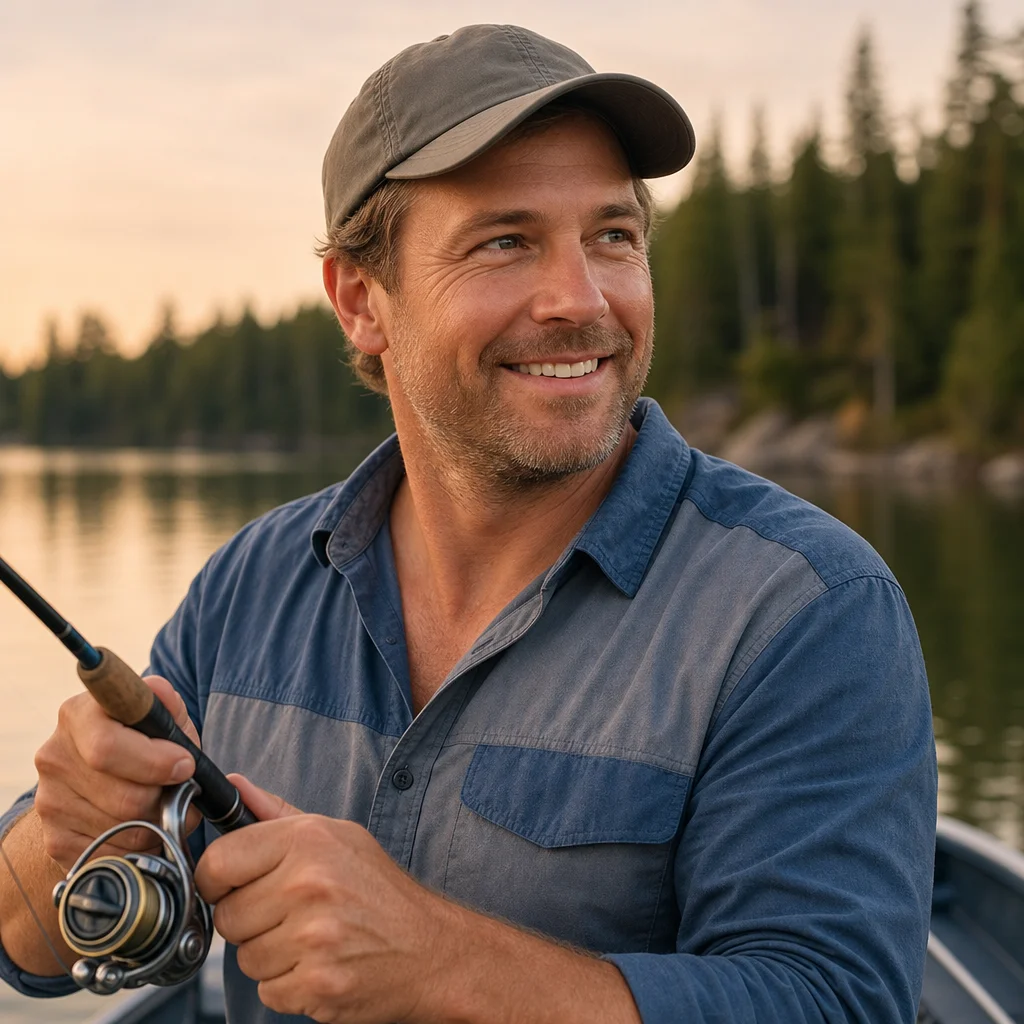
A fishing kayak makes it easy to reach quiet water, but it also makes the launch ramp, shoreline, or put-in the last convenient place to catch a problem. Once I’m offshore, a missing drain plug, loose crate, dead phone, or building wind becomes much harder to fix.
A good pre-launch check doesn’t need to be complicated. It’s a short routine that confirms three things: the kayak is ready, the conditions suit your ability, and someone can help if the day goes sideways.
Start with the water, weather, and launch area
Before loading rods or opening a tackle box, take a few minutes to look at the actual launch and the water in front of it. A forecast is useful, but conditions at the shoreline are what you’ll be paddling in.
Check for these basics:
- Wind direction and strength: Wind matters more in a kayak than many beginners expect. An offshore wind can make the return to shore difficult, while a crosswind can push a kayak away from the bank, ramp, or intended route. Look for whitecaps, steady gusts, and wind blowing against current.
- Water temperature: Cold water deserves extra caution, even on a warm day. Falling in can quickly affect breathing, movement, and judgment. Dress for the water temperature, not just the air temperature.
- Current, tide, and flow: On rivers, check current speed and identify strainers, dams, bridge pilings, and other hazards. In tidal areas, know whether the tide will help or fight your return. On reservoirs and large lakes, watch for wind-driven waves and boat traffic.
- Visibility and storms: Fog, lightning, heavy rain, and rapidly changing skies are good reasons to delay or shorten a trip. If you can’t see a safe route back to the launch, it isn’t a good time to wander far from it.
- Launch surface and access: Look for slippery algae, soft mud, broken concrete, steep banks, and moving vehicles at ramps. Choose a place where you can load the kayak without blocking others or rushing.
A beginner-friendly day usually means protected water, manageable wind, a short route, and an easy landing nearby. There will be plenty of time to chase bigger water later.
Check today’s local conditions
Before you push off, review the latest marine or inland-water forecast, radar, wind forecast, and any local alerts. If you’re launching on a river, check the current flow information; if you’re on tidal water, check the tide schedule. Conditions can change between the drive and the launch.
Wear your flotation, not just carry it
A properly fitting personal flotation device (PFD) is the most important piece of kayak safety gear. It should be on your body before you launch, with all buckles fastened and adjusted so it won’t ride up around your ears in the water.
A fishing-specific PFD can be more comfortable because it often has a higher back for kayak seats and pockets for small tools. Comfort matters, since the best PFD is the one you’ll wear all day.
Before launching, check that your PFD:
- Fits over the clothing you’re wearing.
- Has working buckles, zippers, and adjustment straps.
- Is in good condition, without torn fabric or crushed flotation foam.
- Doesn’t interfere with casting, paddling, or reaching your safety gear.
- Has a whistle attached or readily available.
An inflatable PFD can be a useful option for some anglers, but it requires regular inspection and proper maintenance. If you use one, understand how it activates and make sure it is appropriate for the water and conditions you plan to fish.
Confirm the kayak is watertight and stable
A kayak can look ready from the truck and still have a simple issue that turns into a long, wet morning. I like to inspect the hull before gear goes aboard, when problems are easiest to spot.
Check the drain plugs first
If your kayak has scupper plugs, hull drain plugs, or a transom drain plug, make sure they are installed where needed and seated properly. A missing hull drain plug can let water enter the kayak. Scupper plugs are different: some sit-on-top anglers leave scuppers open for drainage, while others plug selected holes to reduce splash.
Know which plugs your kayak uses and why. Don’t treat them all the same.
Inspect the hull and hatches
Walk around the kayak and look for cracks, deep gouges, loose hardware, and worn areas around the keel. Check that hatches close securely and that hatch gaskets are clean and seated. If the kayak has internal storage, water inside the hull can affect stability and make the boat heavier to handle.
Also confirm that your seat is locked into position, foot braces are set, and the rudder or pedal-drive system works smoothly if your kayak has one. Test these while still close to shore—not after drifting into wind.
Do a quick stability check at the edge
Once the kayak is loaded, hold onto the dock, bank, or shallow bottom and sit down carefully. Make sure you can reach your paddle, PFD whistle, and any essential gear without twisting awkwardly. If the kayak suddenly feels top-heavy or crowded, remove or relocate gear before leaving shore.
Secure fishing gear so it can’t become a hazard
Fishing kayaks invite us to bring too much gear. Rods, crates, electronics, anchors, landing nets, coolers, batteries, and tackle bags can all be useful—but each item adds weight, clutter, and something to manage in a capsize or sudden gust.
For a beginner, I’d rather launch with fewer items organized well than a full deck of gear organized poorly.
Keep the deck clear
Place heavy gear low and close to the center of the kayak. Avoid stacking tackle boxes high behind the seat or carrying a large cooler where it blocks movement. Keep the area around your feet clear enough to brace, stand if your kayak is designed for it, and exit without snagging a line.
Loose rods are especially troublesome. Secure them in holders or with leashes when traveling. Store hooks so they can’t catch your PFD, hands, or other gear if the kayak rocks.
Use leashes selectively and wisely
A paddle leash can save a paddle, and a rod leash can protect a favorite setup. But leashes also create entanglement risks. Use short, purpose-built leashes, keep them free of loops around your body, and avoid attaching yourself to an anchor, dock, or fixed object.
If you carry an anchor, make sure its line is managed neatly and can be released quickly if needed. Never tie off in moving current from the side of a kayak; the force of the water can pull a small craft over.
Check batteries and electronics
If you use a fish finder, navigation light, phone mount, or powered accessory, verify that batteries are charged and connections are secure. Electronics are helpful, but they shouldn’t be your only plan for finding your way home. A dead battery is inconvenient; a dead phone with no one expecting you is a bigger problem.
Carry communication and leave a float plan
A phone in a waterproof case is a sensible starting point, but it needs to be accessible. A phone buried in a dry bag beneath a tackle crate won’t help much during an urgent situation.
Keep your phone on your person or in an easy-to-reach waterproof pouch. Make sure it has a charge, and consider bringing a small power bank in a dry bag for longer trips. In remote areas or on large water, a VHF radio, satellite messenger, or personal locator device may be appropriate, depending on where you’re going.
Just as important, tell a reliable person where you’ll be and when you expect to return. A useful float plan includes:
- The launch location and planned fishing area.
- Your vehicle description and where it is parked.
- Who is with you, if anyone.
- Your expected launch and return times.
- The kayak’s color and type.
- A time when that person should contact authorities if you haven’t checked in.
This takes less than a minute to send by text. It’s one of the most practical habits a solo kayak angler can build.
Pack the essentials where you can reach them
The exact list changes with the season and waterbody, but a basic day-fishing kit should cover hydration, weather protection, simple repairs, signaling, and getting back to shore.
Consider carrying:
- Paddle, plus a backup paddle if you’ll be far from shore or on larger water.
- PFD and whistle.
- Drinking water and a snack.
- Sun protection, including hat, sunscreen, and polarized glasses.
- Rain layer or insulating clothing suited to the conditions.
- Small first-aid kit.
- Bilge pump or bailer and a sponge, especially for sit-inside kayaks.
- Dry bag with phone, keys, identification, and spare clothing.
- Navigation light or white light when operating near dawn, dusk, or after dark, where required.
- Simple repair supplies, such as duct tape, zip ties, and a multi-tool.
- Landing net, pliers, and hook cutters stored so they’re easy to grab.
Keep emergency items separate from ordinary fishing tackle. If you need a whistle, first-aid kit, or rain jacket, you shouldn’t have to empty a crate to find it.
Confirm the rules at your launch
Requirements for PFDs, lights, registration, access permits, fishing licenses, and required safety equipment vary by state, province, waterbody, and kayak setup. Check the current rules from the relevant wildlife, boating, parks, or launch-management agency before heading out—especially if you’ll fish after dark or use a motorized kayak.
Make a simple go-or-no-go decision
The final check is an honest one: are today’s conditions within your comfort and skill level? There’s no prize for launching into wind, cold water, heavy traffic, or a stormy forecast just because you made the drive.
I’d call it a no-go or choose a more protected launch when the wind is stronger than I’m comfortable controlling, storms are nearby, cold-water precautions aren’t in place, essential gear is missing, or the launch itself feels unsafe. Rescheduling is far better than trying to solve a preventable problem from the middle of the lake.
Before you launch, put on your PFD, check the plugs and hull, secure the deck, test your communication, and take one last look at the water. That small routine lets you spend more attention on fishing—and less on wondering what you forgot at the truck.