How Should I Prepare for Fall Bank Fishing?
A practical fall bank-fishing checklist for beginner freshwater anglers, covering changing water temperatures, bait movement, clothing, daylight, access, and productive lure choices.
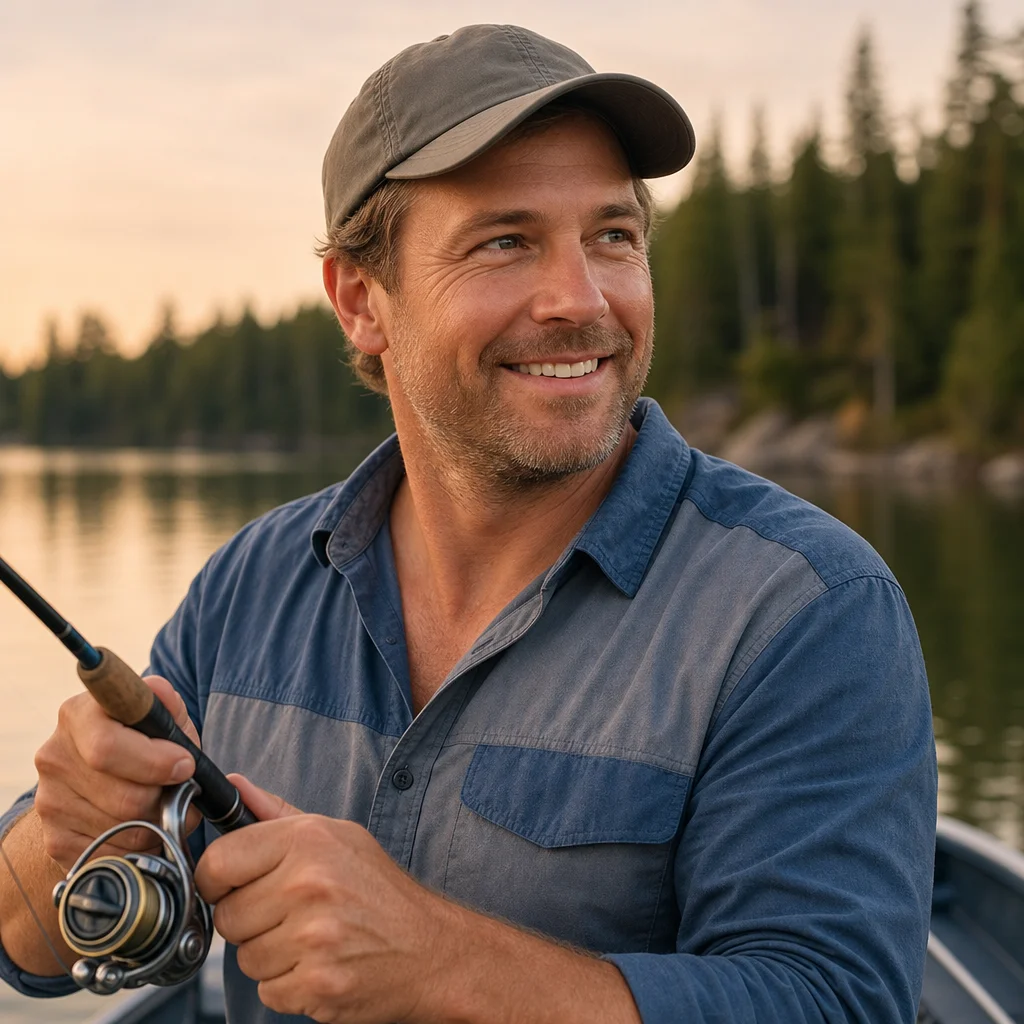
Fall can be some of the most comfortable and productive fishing of the year, but it asks a little more from a bank angler than summer does. Water temperatures are changing, daylight disappears early, baitfish may shift shallow or bunch up, and the spot that produced a week ago may suddenly feel empty.
I keep fall preparation simple: dress for the conditions, narrow down the water I can reach from shore, and bring lures that let me search efficiently before slowing down. The goal isn’t to carry every piece of tackle I own. It’s to stay comfortable long enough to notice the pattern.
Start with the conditions, not the calendar
“Fall fishing” means different things in northern Minnesota, central Kentucky, and southern Texas. A cool night can change a small pond quickly, while a large reservoir may hold onto summer warmth for weeks.
Instead of assuming fish should be doing a particular thing because it is October or November, look for a few practical clues:
- Recent temperature trend: Several cool days and nights matter more than one chilly morning.
- Wind direction and strength: Wind can push surface food and baitfish toward one bank, but it can also make casting and boat traffic difficult.
- Water clarity: Clear water often calls for more natural presentations and a little more casting distance. Stained water can make vibration, contrast, and slower presentations more useful.
- Visible life: Watch for minnows dimpling near the surface, birds working a shoreline, or occasional surface strikes.
- Water level: Falling water can leave shallow cover high and dry, while rising water may open up fresh shoreline cover.
I try to arrive early enough to spend five minutes watching before making my first cast. That brief pause often tells me whether to begin on a windy point, a protected pocket, a rocky bank, or the edge of visible vegetation.
Check today’s shore conditions: Confirm the forecast, wind, water level, park hours, and legal access for the water you plan to fish. Fall weather and access conditions can change quickly, especially after rain or a cold front.
Choose bank spots with deep water or a clear travel route nearby
From shore, I want to fish places where I can reach more than featureless shallow water. In fall, that often means areas that connect shallow feeding water to deeper resting water.
Good bank-fishing targets include:
- Points that extend into the lake or pond
- Riprap banks near bridges, dams, or causeways
- Creek mouths and small inflows
- The outside edge of weed beds
- Docks with deeper water nearby, where fishing is permitted
- Steep banks, bluffs, or sharp drop-offs
- Channels and bends in small rivers or creeks
You don't need a contour map to find every drop-off, although one can help. On foot, look for banks that become deep quickly, darker water close to shore, rock-lined areas, and places where wind has been blowing into the bank. A long-handled net isn’t mandatory, but it can be helpful when a steep bank makes landing a fish awkward.
Follow baitfish without chasing every splash
In early fall, many freshwater predators feed heavily when baitfish are available. That doesn't mean every fish is always shallow or that every surface disturbance is a feeding frenzy. Bait may be scattered across flats, tucked into vegetation, or pushed against windblown shorelines.
If I see baitfish activity, I begin there. I make casts past the activity, retrieve through or alongside it, and cover the surrounding water rather than dropping a lure directly on top of the commotion. Predators often hang just outside the bait school, where they can ambush something that strays.
When bait isn't visible, I fish likely routes: the first deeper edge off a flat, the end of a point, a weed line, or a rocky transition.
Pack layers that keep you fishing comfortably
Fall mornings can feel cold, afternoons can feel pleasant, and a breeze off the water can make both feel different than the thermometer suggests. Being underdressed turns a good outing into a short one.
A dependable bank-fishing clothing system is straightforward:
- Moisture-wicking base layer: Avoid cotton as your only layer when conditions are cool or damp.
- Insulating middle layer: Fleece, wool, or a lightweight insulated jacket works well.
- Wind- and water-resistant outer layer: This matters most on exposed banks and during light rain.
- Hat and gloves: A warm cap and thin, flexible gloves make cold mornings much easier.
- Reliable footwear: Wear boots or shoes with traction for wet leaves, mud, loose rock, and slick banks.
- Extra socks: They take almost no space and are a welcome backup after stepping into shallow water or wet grass.
I also bring a small towel and keep it accessible. Fall fish, wet line, damp grass, and morning dew can make hands cold in a hurry.
Keep safety gear close, not buried in the car
Shorter days and wet shorelines create a few extra problems in autumn. A headlamp, charged phone, basic first-aid supplies, drinking water, and a small snack belong in the bag. If I expect to fish near dark, I make sure I know the walk back to the vehicle before the light fades.
Use extra care around steep banks, slick clay, wet leaves, and cold water. A fish is never worth a bad fall or an unexpected swim.
Match your lures to the water you can cover
Bank anglers usually benefit from carrying a compact selection of lures that covers several depths and speeds. Fall conditions can change within the same outing, so I like to start with moving baits and keep a slower option ready.
For searching shallow water
When fish are active around bait, rocks, wood, or weed edges, these are useful starting points:
- Spinnerbaits: Good around cover and in stained water; blade vibration helps fish locate the lure.
- Chatterbaits: Useful for covering water around grass, wood, and shallow transitions.
- Squarebill crankbaits: Effective around rock, riprap, and scattered wood when they can deflect off cover.
- Lipless crankbaits: Handy for covering flats, working over submerged vegetation, or casting a long distance from shore.
- Shallow swimbaits: A natural-looking choice when fish are clearly feeding on small baitfish.
Choose lure size based on the forage you see, not just the biggest fish you hope is present. In clear water, natural shad, minnow, perch, or bluegill colors are sensible. In muddy or heavily stained water, a darker silhouette, chartreuse accent, or more vibration can help.
For slowing down after a cold front
A sharp weather change can make fish less willing to chase. When fast lures stop drawing interest, work the same productive bank more slowly with:
- A Texas-rigged worm or creature bait
- A finesse worm on a light jighead or wacky rig, where allowed and practical
- A compact jig with a trailer
- A suspending jerkbait with longer pauses
- A small paddletail swimbait retrieved steadily along a deeper edge
The important part isn't simply switching to a slower lure. Give it a reason to be there. Cast to the end of a point, the outside edge of grass, the shade under a dock, or the first drop-off you can reach. Let the bait stay in the strike zone instead of retrieving it across empty water as quickly as possible.
Adjust your timing as daylight changes
Fall daylight is shorter, and that affects both your fishing time and your planning. Early morning can still be productive, especially during a mild stretch, but the best bite may shift later as the water warms a little. On bright, cool days, midday can be worth fishing rather than treating it as dead time.
A simple approach is to plan around the conditions:
- Mild, stable weather: Fish early and late, while checking windblown banks through the day.
- Cold mornings after a front: Give the water time to warm, then focus on sun-exposed rock, protected pockets, and deeper nearby water.
- Cloudy, breezy days: Cover water with moving lures along banks where wind may have concentrated bait.
- Late afternoon: Leave enough time to walk out safely and pack up before darkness settles in.
A headlamp is useful, but it should be a backup, not a reason to stay on an unfamiliar bank until you can't see your footing.
Bring a simple fall bank-fishing kit
For a beginner, a small backpack or shoulder bag is easier to manage than a heavy tackle box. I would rather have a few useful items at hand than a trunk full of gear I won’t use.
A practical kit includes:
- One versatile rod and reel spooled with appropriate line for the cover and species
- A small tackle box with a few moving lures and a few slower soft-plastic options
- Extra hooks, jigheads, weights, snaps, and line cutters
- Pliers or a hook-removal tool
- Measuring device and camera or phone, if you plan to document a catch
- Towel, water, snack, sunscreen, and insect repellent as needed
- Rain layer, warm hat, and headlamp
- Small trash bag for used line, packaging, and anything you find along the bank
If you are targeting a specific species, tailor the kit. A bass angler may lean on spinnerbaits, crankbaits, jigs, and worms. A panfish angler may need small jigs, floats, live-bait gear where permitted, and lighter line. The basic fall principles still hold: find food, find a reachable depth change, and adjust to the day’s conditions.
Keep a short record of what changed
Fall teaches quickly because conditions move quickly. After each trip, make a few notes in your phone: air temperature, wind, water clarity, productive bank type, lure, retrieve, and time of day. You don't need a detailed fishing journal to learn from an outing.
Over a few trips, you may notice that fish showed up on windblown riprap after cool nights, or that a slow worm worked better on clear-water afternoons. Those observations are more useful than a general rule that says fish must be shallow or deep during a particular month.
For your next outing, pick one water body, identify two or three banks with access to cover or deeper water, and pack layers plus a small selection of lures. Start by covering water efficiently, then slow down where you find bait, strikes, or a feature that looks right. Fall rewards anglers who stay comfortable, pay attention, and let the water tell them what has changed.