What to Check Before Fishing a New State
A practical pre-trip checklist for traveling anglers to confirm licenses, seasons, access rules, species limits, boating requirements, and local conservation measures before fishing a new state.
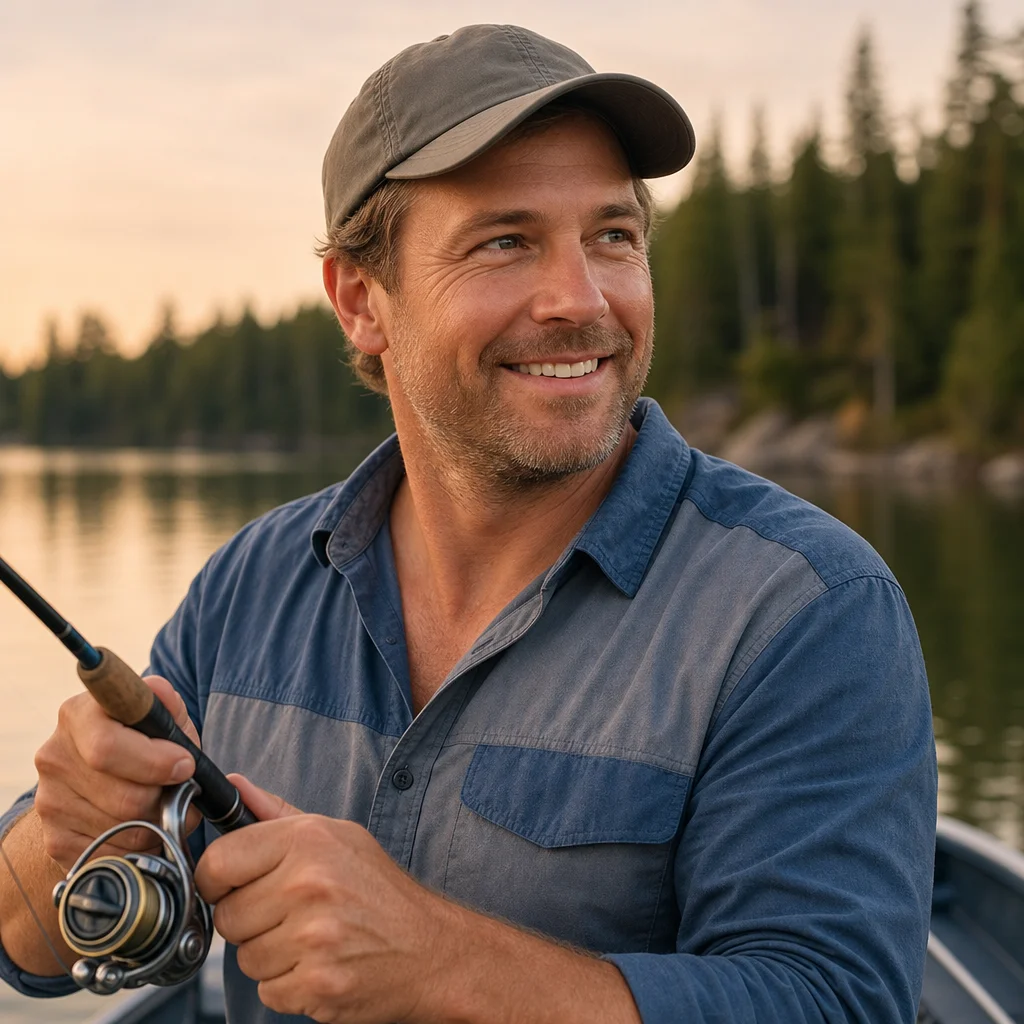
Fishing a new state is one of the best ways to turn a trip into an adventure. It can also be surprisingly easy to make an honest mistake: buying the wrong license, keeping a fish that is out of season, launching at a ramp with an aquatic-invasive-species requirement, or parking where public access ends sooner than the map suggests.
I try to treat the planning side as part of packing tackle. A few minutes with the right official sources can save a ruined morning, a citation, or a long drive to water I can't legally fish. Here’s the checklist I use before traveling with a rod, boat, or both.
Before you buy a license or put in: Check the destination state fish-and-wildlife agency’s current regulations, license page, and access information. Rules, fees, emergency closures, invasive-species requirements, and local restrictions can change during the year.
Start with the state fishing regulations
Every state has a fish-and-wildlife agency, though the name varies. It may be called a department of natural resources, wildlife resources agency, fish and game department, or something similar. That agency’s website should be the first stop for current rules.
Look for the current fishing guide or regulations digest, then identify the specific water body or management zone you plan to fish. Statewide rules are often only the starting point. A lake, river section, tributary, reservoir, or coastal zone may carry special regulations that override the general limits.
I download the relevant regulation pages or save them to my phone before leaving. Cell service around ramps and mountain streams is often poor exactly when I need to check something.
Make sure you are reading the current version
Regulation documents can remain searchable online after they expire. Confirm the effective dates on the document, not just the date it appeared in a search result. Pay close attention to temporary notices, emergency orders, drought closures, and contamination advisories.
For border waters, check both states’ rules. A river or reservoir that forms a state line may have reciprocal-license agreements or separate rules depending on where the boat is positioned, what species you are targeting, and whether you land on shore. Never assume a license from one side covers the other.
Buy the right license for the trip
A fishing license isn't always a single, all-purpose purchase. The right option depends on where you live, the water you will fish, your age, the species you pursue, and how long you will be there.
Before purchasing, confirm these points:
- Resident or nonresident status: Most travelers need a nonresident license. Residency definitions can be more specific than where you currently sleep or receive mail.
- License duration: Daily, multi-day, annual, and short-term licenses may be available. Compare the dates carefully if your trip spans multiple days or crosses midnight.
- Freshwater versus saltwater: Some states require separate privileges for freshwater and saltwater fishing. Fishing in tidal rivers, estuaries, or brackish marshes can make this less obvious than it sounds.
- Species stamps or permits: Trout, salmon, steelhead, paddlefish, sturgeon, marine species, or other fisheries may require an additional stamp, endorsement, report card, harvest tag, or permit.
- Free-fishing days: These can be useful for a casual outing, but the event may come with limits and may not waive all permits or access fees.
- Exemptions: Youth, senior, military, disability, tribal, and landowner exemptions vary widely. Read the exact conditions rather than relying on a rule from your home state.
Keep your license accessible in the form the state accepts. Some agencies allow a digital copy, while others may have requirements for printed tags, signed licenses, or physical harvest cards. If you buy a license online, check whether it is valid immediately or whether a document or tag must be mailed.
Check seasons, size limits, and daily possession limits
This is where the details matter most. “Bass are open” or “trout are in season” isn't enough information to decide what you may keep.
For each species you might target or catch incidentally, check:
- Open season dates. Some waters close entirely during spawning periods. Others remain open for catch-and-release fishing but prohibit harvest.
- Minimum and maximum lengths. A slot limit means only fish within a specified size range may be kept; fish below or above it must go back.
- Daily creel limit. This is the number of fish you can harvest in one day.
- Possession limit. This may limit how many fish you can have in your vehicle, cooler, campsite, or freezer, including fish caught on earlier days.
- Gear and bait restrictions. Certain waters may prohibit live bait, require artificial lures, restrict hook types, limit the number of rods, or prohibit specific rigs.
- Protected species and identification rules. A fish that looks familiar may be protected, invasive, or subject to a different limit than a similar species at home.
Bring a measuring device that is easy to use accurately. A rigid ruler or bump board is better than guessing with a tape measure curled over a fish. If a limit is close, I release the fish. There will be another one, and I would rather not turn a good day into a lesson in fine print.
Learn local fish identification before casting
Species names aren't always used consistently from place to place. “Trout,” “perch,” “rockfish,” and “bass” can mean different fish in different regions. Hybrids and look-alike species can complicate limits further.
Use the agency’s identification guide for the fish you expect to encounter. Pay particular attention to species with protected status, invasive fish that may not be returned alive, and species requiring special harvest reporting. Photographing an unfamiliar fish for identification is sensible, but handle it gently and return it promptly if release is required.
Confirm where public access actually begins and ends
A blue patch on a map doesn't guarantee legal fishing access. Public water can be bordered by private land, and public roads may not lead to a usable bank, trail, or launch.
Check the state agency’s access maps along with county, city, national forest, state park, wildlife refuge, and water-management websites as appropriate. For each location, verify:
- Whether fishing is allowed there
- The access point’s hours and seasonal opening dates
- Parking location and any parking or entry fee
- Shore-fishing availability versus boat-only access
- Trail distance and terrain from parking to water
- Whether a reservation, day-use pass, or gate code is required
- Restrictions on camping, fires, pets, and overnight parking
- Closures due to construction, flooding, wildfire, nesting areas, or habitat work
Property boundary apps can be helpful planning tools, but I don’t treat them as the final word. Posted signs, agency maps, and direct confirmation from the managing land office carry more weight. When an access route crosses private property, get explicit permission from the landowner.
Also look for local rules that go beyond fish regulations. City lakes, municipal piers, park districts, and homeowner-managed waters may limit fishing hours, prohibit wading, require barbless hooks, or ban certain bait types.
If you are bringing a boat, check registration and launch requirements
Boat rules are one of the easiest areas to overlook when traveling. Your home-state registration may allow you to operate temporarily in another state, but the length of the grace period and any local requirements vary. Some waters add their own permits, inspections, launch reservations, or fees.
Confirm the following for every lake, river, or coastal launch:
- Whether out-of-state vessels may launch and for how long
- Whether a state registration, title, decal, or temporary permit is needed
- Whether a launch permit, parking pass, reservation, or marina fee applies
- Required safety equipment for the vessel type and waters involved
- Local horsepower, speed, wake, or engine restrictions
- Whether personal watercraft, kayaks, canoes, or electric motors have separate rules
- Navigation, lighting, or nighttime-operation requirements if you plan to fish early or late
A good rule of thumb is to inspect the boat trailer setup before the trip rather than at the ramp. Check lights, tires, tie-downs, drain plug, bearings, spare tire, and registration documents. I also keep a basic launch kit in the truck: wheel chocks, a flashlight, a small tool kit, and a spare plug. None of that replaces required safety gear, but it can keep a minor problem from ending the day.
Take aquatic invasive species rules seriously
Many states and individual waters require boat inspections or decontamination to prevent the spread of invasive mussels, plants, and other organisms. These rules may apply to motorboats, trailers, kayaks, paddleboards, waders, bait buckets, and fishing gear—not just large boats.
The basic practice is simple: clean, drain, and dry everything that contacted water. Remove visible mud and plant material, drain all water from the boat and equipment, and follow the destination’s drying or decontamination instructions. Don't transport live bait, water, fish, or vegetation across state lines unless the applicable rules clearly allow it.
Some inspection stations can require a stop, issue a seal for a boat that has been inspected, or deny launch after a recent visit to a high-risk water body. Build time for this into the travel schedule. Arriving at sunrise is less useful if the boat can't launch until it has been inspected.
Review bait, fish transport, and livewell rules
Bait rules are often stricter than anglers expect. A state may prohibit certain minnows, crayfish, worms, leeches, frogs, salamanders, or baitfish. It may also restrict where bait can be collected, require proof that bait was purchased from a licensed dealer, or prohibit releasing unused bait into the water.
If you plan to keep fish, look up transport and packaging rules too. Some states require fish to remain whole or leave a patch of skin attached for species identification until you reach your residence or a designated place of consumption. Others have rules about tagging, checking, or reporting harvested fish.
If you use a livewell, understand whether fish may be moved between waters. In many places, transporting live fish is restricted or prohibited. That includes well-intentioned attempts to “save” bait or move a catch for photos elsewhere.
Check local conservation measures and advisories
Conservation rules aren't just paperwork. They protect the fishery you came to enjoy, and many are specific to local conditions.
Look for:
- Catch-and-release areas and seasonal spawning closures
- Special regulations for wild fish versus hatchery fish
- Mandatory harvest of listed invasive species, where applicable
- Voluntary or required creel surveys and harvest reporting
- Fish-consumption advisories related to mercury, PCBs, or other contaminants
- Water-quality warnings, harmful algal bloom notices, and disease-related closures
- Wildfire, drought, flood, and low-water restrictions affecting access or boating
Consumption advisories deserve a separate look if you intend to bring fish home for dinner. They can vary by species, fish size, water body, and the person eating the fish. Follow the current state health or environmental agency guidance, especially for children and people who are pregnant, may become pregnant, or are breastfeeding.
Prepare for the water conditions, not just the fishing
A new state can mean unfamiliar weather, tides, currents, elevation, terrain, and water temperatures. Check the forecast and water conditions close to departure, then adjust the plan if they don't support a safe outing.
For rivers, review flow information and any dam-release schedule. For coastal trips, check tides, wind, surf, and marine forecasts. For larger lakes, wind can create rough water quickly, especially in a small boat. In remote areas, tell someone where you are going, when you expect to return, and what vehicle or boat you are using.
Wear an appropriate personal flotation device when boating or wading in moving water, and have the required safety equipment onboard. Waders, slippery rock, cold water, and an unfamiliar current can make a modest stream more serious than it appears from the bank.
A simple new-state fishing checklist
Here is the condensed version I would save to a phone notes app:
- [ ] Current nonresident license purchased and available
- [ ] Freshwater, saltwater, stamps, tags, and permits confirmed
- [ ] Regulations checked for each intended water body
- [ ] Seasons, slot limits, creel limits, and possession limits reviewed
- [ ] Local species identification guide saved
- [ ] Bait, hook, lure, and number-of-rod restrictions checked
- [ ] Public access, parking, hours, and fees confirmed
- [ ] Private-property boundaries and permissions handled
- [ ] Boat registration, launch rules, and required safety gear verified
- [ ] Aquatic invasive species inspection and decontamination requirements reviewed
- [ ] Livewell, bait transport, and fish transport rules checked
- [ ] Consumption advisories and local conservation notices reviewed
- [ ] Forecast, water conditions, and emergency contacts checked
- [ ] Regulation pages and maps saved for offline use
Make the regulations part of the trip plan
The best fishing trips leave room for the unexpected: a changed wind, a better-looking creek, a local tip at the bait shop, or a surprise hatch. The rules shouldn't be the unexpected part.
Before crossing the state line, build a short folder on your phone with your license, the relevant regulation pages, access map, launch information, and weather links. Then pack the gear that fits the water and the rules, not just the fish you hope to catch. That little bit of preparation lets me spend more time watching the line and less time wondering whether I missed something important.