What Should You Check Before Keeping Fish in a Remote Mountain Lake?
A practical checklist for confirming fishing rules, access, transport requirements, and fish-consumption guidance before you keep a catch from a remote mountain lake.
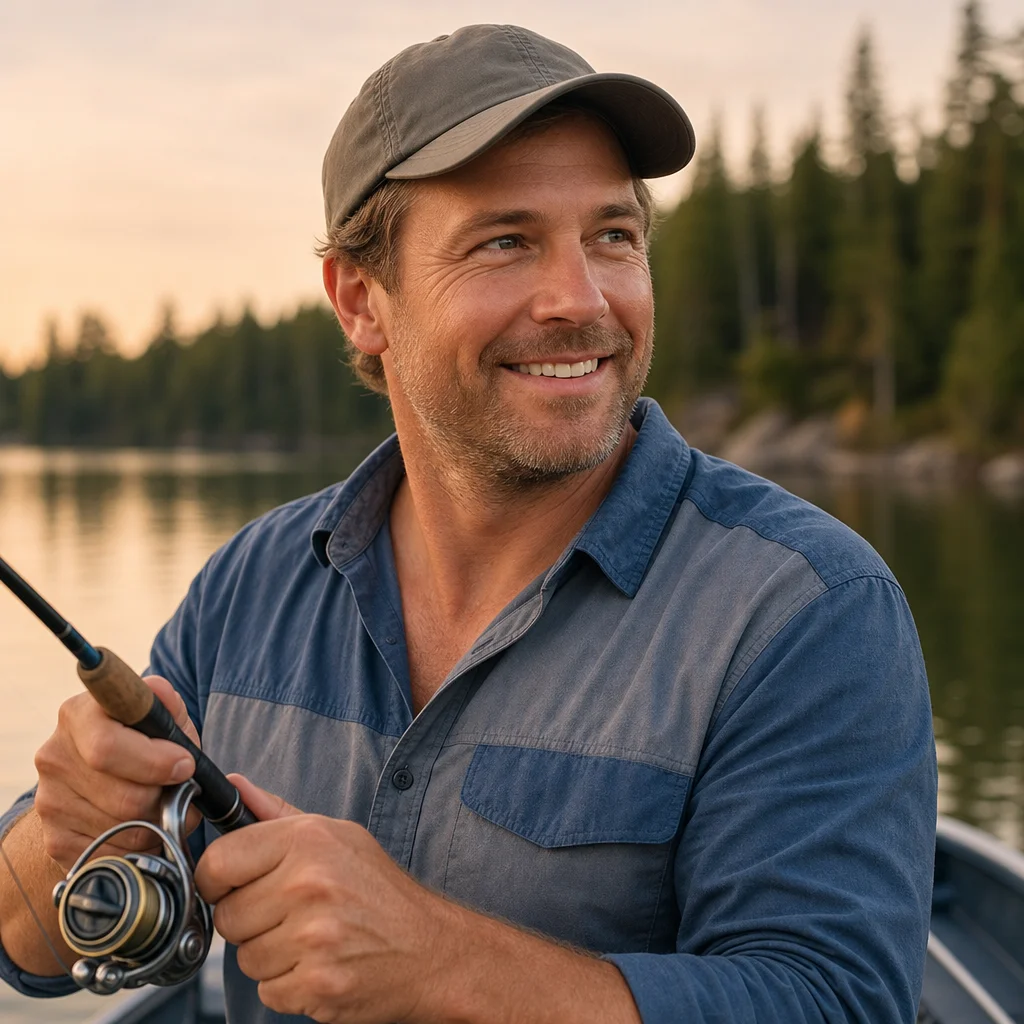
Bringing home a few trout from a mountain lake can be one of the best parts of a fishing trip. It can also get complicated fast. Remote water doesn’t mean unregulated water, and the rules can be different from those at a nearby reservoir or roadside stream.
Before I put a fish on a stringer or in the cooler, I want to know two things: that I can legally keep it, and that it makes sense to eat it. This checklist covers the questions worth answering before you keep fish from a remote mountain lake.
Before you keep a mountain-lake catch: Check the current fishing regulations for the exact water you’re on, plus any current access notices and consumption advisories. Seasons, limits, special-water designations, closures, and health guidance can change, sometimes during the year.
Confirm that you have the right license and validation
Start with the obvious item: a valid fishing license for the state, province, or jurisdiction where the lake sits. In mountain country, a lake may be close to a border, and it’s surprisingly easy to assume the rules from the last town you drove through apply everywhere.
Depending on the location and species, you may also need a separate trout stamp, conservation stamp, habitat validation, or similar add-on. Youth, resident, nonresident, military, senior, and tribal licensing rules can differ as well.
Keep your license available in the format the agency accepts. A phone image may be fine in some places, but it isn’t universal—and a dead phone is a poor substitute for a license when you’re far from a charger.
Identify the lake and the waterbody designation
“Mountain Lake” may be the name on a map, but regulations often list waters by drainage, county, management area, or a more specific name. A lake also may have tributaries, an outlet stream, or connecting channels governed by separate rules.
Look for these details in the current regulations or agency fishing map:
- The lake’s official name and county or drainage
- Whether it is inside a state park, national forest, wilderness area, wildlife area, or tribal land
- Whether it is designated as a special-regulation water
- Whether rules change at an inlet, outlet, dam, bridge, trail crossing, or elevation boundary
- Whether seasonal closures apply to the lake or nearby spawning tributaries
Special regulations are common in mountain fisheries. A lake may be catch-and-release only, fly-and-lure only, artificial-lure only, open only during a defined season, or managed under a reduced bag limit. Some waters require anglers to keep certain invasive or overabundant fish, while others protect particular native species.
Don’t rely solely on a sign at the trailhead. Signs can be missing, damaged, or outdated. The current agency rulebook or official online listing is the better source.
Know the bag limit, size limit, and possession limit
A bag limit is the number of fish you may legally take in a day. A possession limit is the maximum number you may have in your possession, which can include fish in your cooler, vehicle, camp, freezer, or lodging. The exact definition varies by jurisdiction, so read the local wording.
Before keeping a fish, check:
- The daily bag limit for that species at that specific lake
- Minimum or maximum length limits
- Slot limits, which allow keeping fish only within a certain size range
- Limits that apply to combined species, such as a total trout limit
- Whether the limit applies per angler or per household
- Whether a reduced limit applies after a certain date or in a certain zone
Measure fish accurately. A compact measuring board is better than estimating against a rod handle, especially when a fish is close to a legal minimum or maximum. Most regulations specify how length is measured, commonly from the closed mouth to the tip of the compressed tail.
If you’re unsure whether a fish is legal, release it carefully. One uncertain fish isn’t worth a citation or a wasted fish.
Make sure you can identify what you caught
Species identification matters more in mountain lakes than many anglers realize. Brook trout are technically char, not trout. Cutthroat trout, rainbow trout, brown trout, lake trout, kokanee, mountain whitefish, grayling, and various hybrids may all have different rules in the same region.
Native fish and stocked fish can also be managed differently. In some waters, a native cutthroat trout may need to be released while a nonnative trout may be legal—or encouraged—to keep. In other places, the reverse may be true because of the lake’s management plan.
Carry an official fish-identification guide or download one for offline use before leaving town. Pay particular attention to fish that are commonly confused:
- Cutthroat trout and rainbow trout
- Brook trout and brown trout
- Lake trout and other char
- Kokanee and young landlocked salmon or trout
- Native trout and hatchery-marked fish, where marking rules apply
If the fish must be released, do it while it is still in the water whenever practical. Wet hands, a rubberized net, and a quick release give it a better chance of surviving.
Check access rules, not just fishing rules
Legal fishing water doesn't automatically mean legal access. Remote lakes may sit behind private land, within seasonal wildlife closures, on tribal lands, or in areas with road and trail restrictions.
Check whether you need:
- A day-use, parking, camping, or backcountry permit
- Permission to cross private land
- A tribal fishing permit or tribal guide authorization
- A boat inspection, launch permit, or aquatic invasive species decal
- A reservation for a road, trailhead, campground, or wilderness entry
Also check whether overnight food-storage rules affect your catch. In bear country, fish in a cooler at camp are food, and they need the same careful storage as anything else that smells like dinner. Follow the land manager’s current requirements for bear-resistant storage, food lockers, vehicles, or hanging systems.
Understand transport and cleaning requirements
Transport rules are easy to overlook when the fishing is good and the hike back is long. Many jurisdictions require fish to remain identifiable during transport. That can mean leaving the head, skin patch, tail, or other identifying feature attached until you reach your home or permanent residence.
Before you clean fish at camp, verify:
- Whether fish may be filleted or headed at the lake
- What identifying parts must remain attached
- Whether skin must stay on fillets
- Whether fish must be kept separate by angler
- Whether individual bag limits must be labeled during group travel
- Whether it is legal to transport live fish or water from the lake
Keeping each angler’s fish in a separate, labeled bag is a simple habit that can prevent confusion. Mark the bag with the angler’s name, species, number of fish, date, and lake. It also makes it easier to keep track of the group’s total catch.
If you used a boat, float tube, waders, or gear that contacted the water, follow the local aquatic invasive species guidance before moving to another lake. Draining water, cleaning mud and plant material, and drying equipment are common requirements, but the exact procedures can vary by area.
Look up fish-consumption advisories
Clear, cold mountain water can look pristine, but appearance alone doesn’t tell you whether fish are free of contaminants. Fish may accumulate mercury, PCBs, PFAS, or other contaminants depending on the watershed, historic mining, industrial activity, wildfire impacts, or atmospheric deposition.
Look for advisories from the state or provincial health department, environmental agency, or fish and wildlife agency. Search by the exact lake, watershed, county, and species when possible.
Advisories often recommend different meal frequencies based on:
- Species
- Fish size and age
- The specific lake or drainage
- Whether the fish is a resident predator or a smaller forage fish
- The consumer’s age and health status
Pregnant people, people who may become pregnant, nursing parents, and young children often receive more conservative advice for certain contaminants. That doesn't mean every mountain-lake fish is unsafe to eat; it means the best choice depends on the water and fish in question.
When no lake-specific advisory is available, general regional guidance may still help you make a cautious decision. Smaller fish are often a more sensible table choice than the largest, oldest predators because they typically have had less time to accumulate contaminants.
Keep only what you can use well
The legal limit isn't a target. On a remote trip, I’d rather keep a modest number of fish that I can chill, transport, and cook properly than fill a limit and risk spoilage.
Bleed and cool legal fish promptly if you plan to eat them. In warm weather, get them on ice as soon as possible. On a backpacking trip, plan ahead: know how you’ll keep fish cold, cook them that evening, or transport them safely to a cooler.
If you release fish, avoid squeezing them, dragging them onto dry rocks, or handling them longer than necessary. A fish that is released because it is out of season, undersized, or protected deserves the same care as any other fish.
A quick keep-or-release checklist
Before a fish goes into the cooler, run through this short list:
- Do I have the required license and any needed validation?
- Is this exact lake open to fishing today?
- Have I identified the species correctly?
- Is this fish legal under the lake’s bag, size, and possession limits?
- Is there a special rule requiring release or limiting tackle and harvest?
- Can I legally clean, label, and transport it the way I plan to?
- Is there a consumption advisory for this lake or species?
- Can I keep it cold and use it without waste?
A little homework before the trip makes this easy. Download the current regulations and advisories while you have service, save maps offline, pack a measuring board and a cooler plan, and decide in advance what you’ll keep. Then when a good fish finally comes to hand, you can make the right call without guessing at the shoreline.