How to Decide Whether a Fish Is Worth Photographing Before Release
A practical framework for balancing a memorable photo with handling time, water temperature, fish condition, and help from a fishing partner.
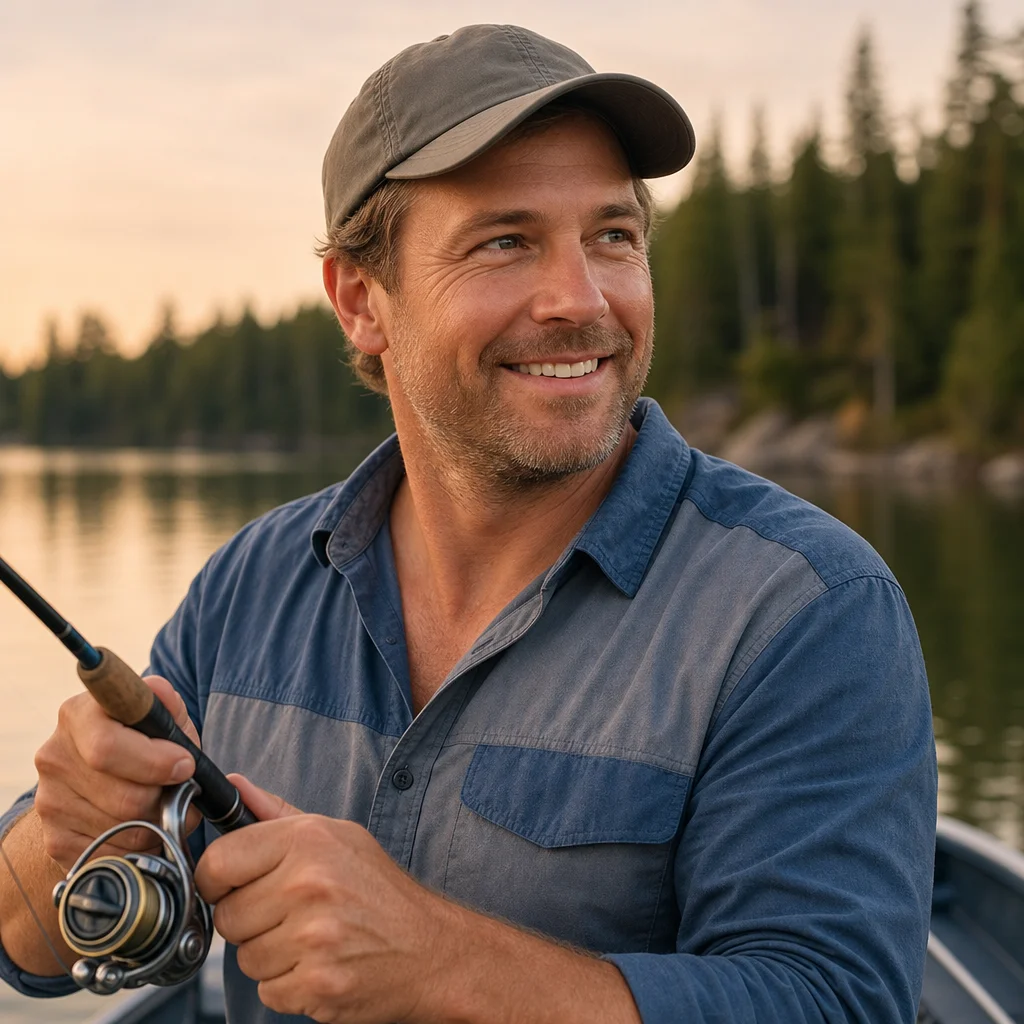
A fish can be worth remembering without needing to spend extra time out of the water. That is the starting point I use when deciding whether to take a photo before release.
The decision is rarely about whether the fish is “big enough.” A modest fish may be a first of its species, an unusual color pattern, or part of a day worth documenting. The better question is whether I can get the photo quickly without adding meaningful stress to the fish.
A simple framework helps: assess the conditions, assess the fish, assess the photo setup, and then make a quick yes-or-no call.
Start With the Fish’s Welfare, Not Its Size
Landing a fish is already a demanding event. It has fought, may be recovering from reduced oxygen, and may have been exposed to warmer surface water or a warm net. Every added second of handling matters more when conditions are tough.
Before reaching for a phone, look at the fish’s condition. A quick photo is more reasonable when the fish is securely controlled, hooked in an accessible spot, and appears strong enough to recover promptly. It is less reasonable when it is deeply hooked, bleeding, exhausted, tangled in line, or struggling to stay upright.
If a fish needs immediate attention, skip the photo. Remove the hook as efficiently as possible, support the fish in the water when practical, and release it once it is able to swim away under its own power. The memory of doing right by the fish lasts longer than a rushed picture.
Signs to Skip the Photo
I treat these as strong reasons to put the camera away:
- The fish is bleeding or has an injury that needs immediate attention.
- The hook is deep, difficult to reach, or requires tools.
- The fish is unusually exhausted after a long fight.
- It can't maintain balance when supported in the water.
- It is a species or size class known to be vulnerable in current conditions.
- I am alone and can't safely control the fish while operating a phone.
- The fish has already spent time out of the water during unhooking or measuring.
This isn't an all-or-nothing standard. It is a way to recognize that the fish’s condition should set the pace. A photo is optional; recovery isn't.
Let Water Temperature Influence the Decision
Warm water deserves extra caution. Fish generally have less available oxygen in warmer conditions, while their metabolic demand can be higher. A hard fight followed by air exposure can be especially difficult for them.
Cold water doesn't remove the need for care, either. In very cold conditions, avoid placing fish on dry, frozen, or abrasive surfaces. Their eyes, gills, and protective slime coat can be damaged by poor handling even if the air exposure is brief.
The practical takeaway is simple: the warmer and more stressful the conditions, the higher my standard for taking a photo becomes. If I do take one, I want it ready in seconds—not after fumbling with a lock screen, opening an app, or searching for a friend.
Before you fish warm or restricted water
Check the current rules and local fishery guidance for the water you plan to fish. Seasonal closures, special catch-and-release requirements, species protections, and heat-related advisories can change. Local agencies, managing organizations, and posted access information are the best sources for current requirements.
Consider the Species and the Fishery
Not all fish handle capture the same way. Some species are particularly sensitive to warm water, prolonged fights, pressure changes, or handling. Fish caught from deep water may need immediate, species-appropriate attention because of barotrauma. Large, older fish can also be especially valuable to a fishery and may require more careful handling simply because they are less replaceable.
I don’t need to know every biological detail before making a respectful decision. I do need to recognize when a fishery calls for a conservative approach. If the species is protected, the fish is a large breeding-size individual, or I am unsure how it tolerates handling, I keep the release as short and water-focused as possible.
For a fish that must remain in the water under local rules or good practice, an in-water photo can still tell the story. Frame the fish at the surface while keeping its body supported. A photo showing the fish in its environment often looks better than a strained grip-and-grin shot anyway.
Decide Whether You Can Take the Photo in One Smooth Motion
Most bad fish photos aren't caused by a lack of photography skill. They happen because the angler decides to take a picture after the fish is already in hand and the phone is still buried in a pocket.
A photo is usually worth taking only when the setup is ready. Before I land a fish that looks photo-worthy, I try to answer a few questions:
- Is my phone or camera accessible and unlocked?
- Is the lens clean and the camera app open?
- Is a landing net, measuring board, or wet hand ready if needed?
- Do I have a safe place to stand without dropping the fish or myself?
- Can I get the shot in a few seconds?
If the answer to those questions is no, I release the fish and move on. The lack of a photo doesn't reduce the catch. It just means I wasn't prepared for that particular moment.
Use a Partner Whenever Possible
A fishing partner can make the biggest difference between a quick, controlled photo and an extended handling session. One person can keep the fish supported while the other operates the camera. That eliminates the awkward one-handed phone routine that leads to dropped fish, blurry pictures, and unnecessary time out of water.
Agree on the plan before the fish is landed. A partner should know whether you want a horizontal shot, a quick length photo, or an in-water release image. Ask them to take several frames in a short burst rather than repeatedly adjusting the angle.
For the person holding the fish, a secure two-hand hold is generally safer than holding it vertically by the jaw or lifting it in a way that strains its body. Keep hands wet, avoid squeezing, and stay clear of the gills and eyes. Large fish need full body support, especially when lifted even briefly.
Make the Photo Meaningful Enough to Justify the Moment
“Worth photographing” is personal, but I find it helps to define what makes a catch meaningful before the line goes in. That avoids making a rushed decision based solely on excitement.
A fish may be worth a quick photograph if it marks:
- A first catch of a species.
- A personal best, tournament catch, or unusually large fish.
- A memorable outing with family or friends.
- An unusual marking, color, or other notable feature.
- A successful technique you want to remember.
- A catch you can document in the water with minimal delay.
A routine fish can also be worth a photo if it matters to you. There is no need to apologize for being excited about a bluegill, a small trout, or the first fish a child catches. The important distinction is that the photo should fit the conditions. When the fish is stressed or the logistics are poor, the right choice is to enjoy the moment without the camera.
Choose the Lowest-Stress Photo Option
A traditional held-up photo isn't the only option. Often, a lower-impact image is more attractive and easier to take.
In-water photos
Keep the fish supported at the surface or just below it, with its head pointed into gentle current when present. This works well for larger fish, sensitive species, and any situation where minimizing air exposure is the priority.
Net photos
If a fish is safely contained in a wet, fish-friendly net and local rules allow it, a quick photo in the water can document the catch without repeatedly lifting it. Avoid leaving the fish in a net longer than necessary, and don't drag it onto shore for the sake of a picture.
Measurement photos
A clear shot of the fish on a suitable measuring device can preserve a useful record, but only if it can be done efficiently and without placing the fish on hot, dry, rough, or dirty ground. Wet the measuring surface first when appropriate, and have it ready before the fish is landed.
Landscape-and-release photos
Sometimes the best record is a photo of the rod, lure, water, or angler after the release. It captures the setting and the story without extending handling at all. I like this option for fish that deserve an immediate return to the water.
Keep Handling Habits Consistent
A quick decision is easier when good handling is already routine. Wet your hands before touching a fish. Use tackle that matches the fish you expect to catch so fights aren't needlessly prolonged. Carry pliers or hook-removal tools where you can reach them. Keep a landing net and measuring tool ready when targeting fish you may want to document.
Barbless hooks, when appropriate for your fishing situation and local rules, can also make quick releases easier. So can crimping down barbs where permitted. The goal isn't to make every catch clinical; it is to reduce the small delays that add up when a fish is on the line.
It also helps to set a personal time limit. I aim for a photo that takes only a few seconds once the fish is ready. If it doesn't happen immediately—because the camera fails, the angle is wrong, or the fish starts to struggle—the photo opportunity is over. Release comes first.
A Simple Decision Rule at the Water
When the fish is in hand, use this quick checklist:
- Is the fish in good condition? If not, release it promptly.
- Are water and weather conditions adding stress? If yes, be more conservative.
- Is the camera and helper ready? If not, skip the photo or choose an in-water option.
- Can I take the image in a few seconds with proper support? If not, release the fish.
- Will this photo genuinely add to the memory or record of the catch? If yes, take it efficiently.
That last question matters, but it comes after the welfare questions. A fish doesn't have to be trophy-sized to be memorable, and a memorable fish doesn't always need a photograph.
The next time you head out, set up your phone, tools, and photo plan before the first cast. Decide what kinds of catches you want to document, and practice an in-water or partner-assisted photo routine. When the right fish arrives, you will be ready to keep the moment—and keep the release quick.