What Safety Gear Belongs in Every Small Fishing Boat
A practical checklist of essential safety gear for beginner anglers running small fishing boats in the United States, including flotation, communication, signaling, first aid, lighting, weather awareness, and an emergency plan.
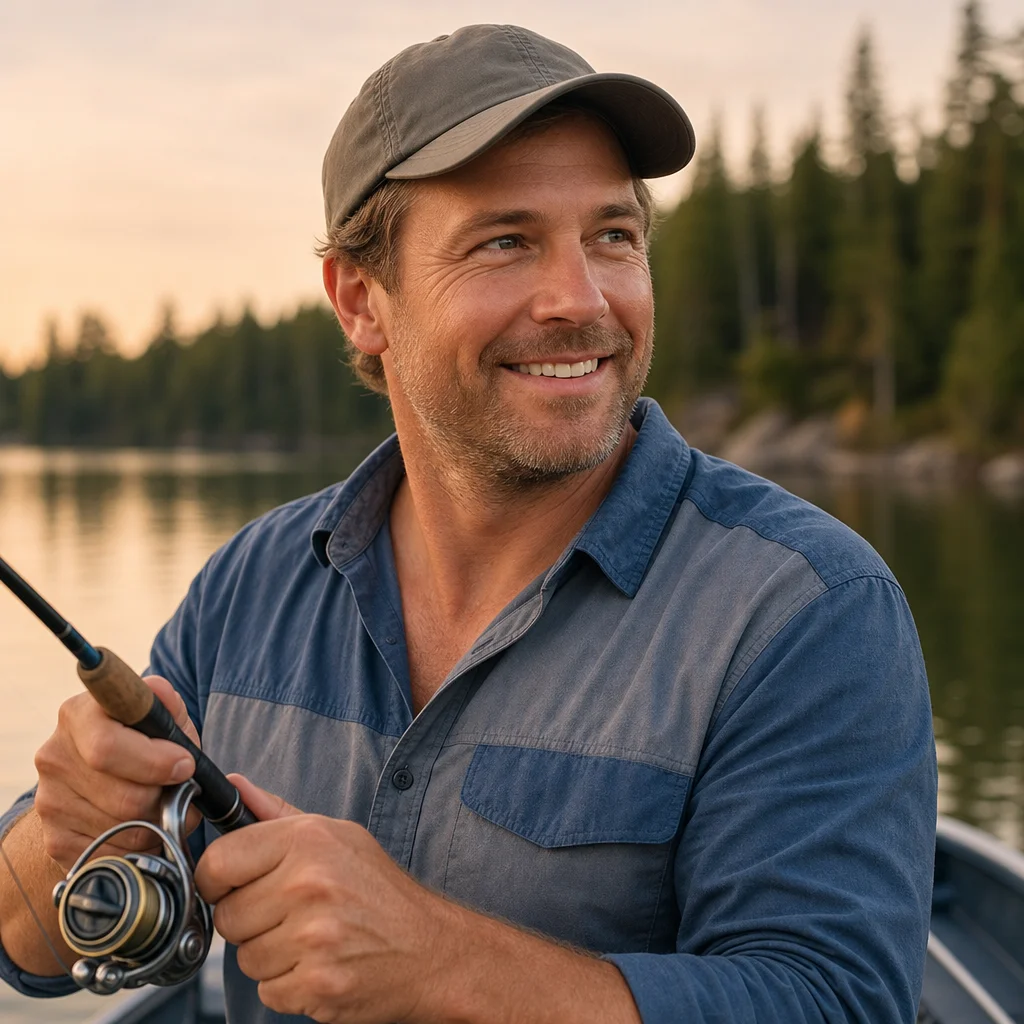
A small fishing boat can feel simple: a few rods, a tackle box, a cooler, and enough fuel to get back. But small boats also have less protection from cold water, wind, waves, and mechanical trouble. A minor problem can become a serious one quickly when you’re a long run from the ramp.
I like to think of boat safety gear in two groups: equipment that keeps people afloat and visible, and equipment that helps you solve a problem before it turns into an emergency. The following checklist covers what I’d want aboard for a routine day of freshwater or nearshore fishing.
Before you leave the ramp: confirm the rules for your exact trip
U.S. Coast Guard equipment rules can depend on boat length, propulsion, where you operate, and the type of water you’ll be on. State and local rules may add requirements. Check current federal requirements and your state boating agency’s rules, especially for life jackets, fire extinguishers, navigation lights, visual distress signals, and registration documents.
Start with properly fitted life jackets
Personal flotation devices, or PFDs, are the most important item in the boat. Every person aboard needs a U.S. Coast Guard-approved wearable life jacket in the right size and condition. It does little good stuffed under a pile of rain gear or tangled in an anchor line.
For anglers, I’d keep the wearable PFDs where every passenger can reach one immediately. Better yet, wear them whenever the boat is moving, when running in rough water, fishing alone, or operating in cold conditions. An inflatable fishing PFD can be comfortable enough for all-day wear, but it must be approved for the activity and maintained according to its label. Check the inflator status and service date before relying on one.
Children should wear an appropriately sized PFD anytime they are aboard. Don't assume an adult-sized vest will work in a pinch. A properly fitted jacket should be snug enough that it won't ride up over the wearer’s chin or ears when lifted at the shoulders.
A throwable flotation device is also worth carrying on any boat with room for one. A ring buoy, horseshoe buoy, or throwable cushion can give a person in the water something to hold while you maneuver back to them. Attach a floating retrieval line if you can deploy it without creating an entanglement hazard.
Carry a way to call for help
A cell phone is useful, but it shouldn't be your only communication plan. Coverage can fade on larger lakes, rivers, coastal water, and remote reservoirs. Phones also fail when they get wet, run out of battery, or end up at the bottom of the boat after an unexpected wave.
For many small-boat anglers, a handheld VHF marine radio is the best backup. It allows boat-to-boat communication and can reach the Coast Guard or local marine assistance where appropriate. Buy one that is waterproof or at least water-resistant, keep it charged, and learn the basic distress and calling procedures before the day you need them.
On inland waters where VHF service is limited, a satellite communicator or personal locator beacon can be valuable, particularly for solo anglers and people running remote water. These devices aren't substitutes for good judgment, but they can send a distress alert when cellular service is unavailable. Keep any subscription, registration, and battery requirements current.
At a minimum, put your phone in a waterproof case or dry bag and carry a compact power bank. Save the local emergency number, marina number, and the number for a trusted person who knows your float plan.
Pack signaling gear that works in daylight and darkness
If you need help, rescuers have to find you. A few compact signaling tools take up very little room:
- A loud, pea-less whistle attached to each PFD or kept within reach
- A waterproof flashlight or headlamp with fresh batteries
- A signal mirror for daytime use
- A bright distress flag or high-visibility cloth
- Approved visual distress signals when required for the waters where you operate
A whistle is especially useful if someone is in the water, if boats are close enough to hear, or if visibility is poor. A headlamp is more practical than a hand-held light when you need to handle a line, inspect an engine, or help another person after dark.
If your boat is equipped with flares or other pyrotechnic signals, store them dry, inspect their expiration dates, and understand how to use them safely. They can be extremely effective, but they also involve heat and fire. Non-pyrotechnic electronic distress lights may be a practical option in situations where they meet the applicable rules.
Make navigation lights and backup lighting part of the plan
Navigation lights aren't just for anglers who intend to fish after sunset. Delays happen: a slow idle through a no-wake zone, a dead battery, a fish that keeps you out longer than expected, or a ramp line that moves at the speed of a tired turtle.
Make sure the required running lights work before launching if there is any chance you will operate in low light. Check the switches, bulbs or LEDs, wiring connections, and battery charge. Carry at least one waterproof flashlight as a backup, but remember that a flashlight doesn't automatically replace required navigation lights.
I’d also keep a simple paper map of the lake or river in a waterproof bag when running unfamiliar water. Electronics are excellent tools, but a paper map and a compass don't care whether your battery is charged.
Build a first-aid and exposure kit
A fishing first-aid kit should handle more than small cuts. Hooks, knives, fish spines, sun exposure, dehydration, and slips at the ramp are all common enough to plan for.
A practical kit includes adhesive bandages, gauze pads, medical tape, antiseptic wipes, nitrile gloves, tweezers, blunt-tip scissors, a compression bandage, and a cold pack. Add any personal medications your group may need. Keep the kit in a waterproof, clearly labeled container where it can be reached without emptying every tackle compartment.
It is wise to add a few items that aren't strictly first aid but matter in an emergency:
- Sunscreen and a spare hat
- Drinking water and a few shelf-stable snacks
- Rain gear or an extra insulating layer
- A thermal blanket or emergency bivy
- Dry socks and a towel in a sealed bag
Cold-water immersion is dangerous even on a mild day. A person who falls overboard may be cold, exhausted, and unable to climb back in. Dress for water temperature as well as air temperature, and keep a reboarding plan in mind.
Carry tools for the problems that strand small boats
Safety gear is also the gear that keeps you from needing a rescue in the first place. I’d make room for the following basics:
- An anchor with adequate rode for the depth and conditions
- A paddle or oar, even on a powered boat
- A manual bilge pump or sturdy bailer
- Dock lines and a few fenders
- A basic tool kit, spare drain plug, and spare prop hardware if applicable
- Duct tape, zip ties, and electrical tape for temporary fixes
- A charged jump pack or a second battery setup, where suitable
- A fuel check that includes a real reserve for the return trip
An anchor is useful for more than fishing. If an engine quits near a dam, channel, rocks, or busy traffic, anchoring may keep the boat from drifting into a worse situation. Store the anchor so it can be deployed without cutting fingers on hooks or digging through loose gear.
A paddle can feel optimistic in a bass boat, but it is still one of the simplest ways to move away from a shoreline, dock, or hazard when the motor won't start. A bailer or hand pump is equally unglamorous and equally welcome when rain, spray, or a leak begins adding water to the boat.
Keep an eye on weather and water conditions
Weather awareness is safety gear you carry in your decision-making. Check the forecast before leaving, but don't treat a morning forecast as a guarantee for the whole day. Wind direction and speed, thunderstorms, fog, water temperature, and the possibility of rapid changes all matter.
Use a weather app, a marine forecast where available, and a NOAA Weather Radio or weather-alert feature if you operate in areas prone to fast-moving storms. Watch the sky and the water as you fish. Building clouds, sudden wind shifts, falling temperatures, and distant thunder are reasons to head in early, not reasons to squeeze in one more cast.
If you hear thunder, get off the water promptly. A fishing rod and an open boat are a poor place to negotiate with lightning.
Leave a float plan with someone ashore
A float plan is one of the most overlooked pieces of safety equipment because it is just information. Still, it can save valuable time if you don't return as expected.
Tell a reliable person:
- Your launch location and intended fishing area
- Everyone who will be aboard
- Your boat description, registration number, and vehicle description
- Your expected return time
- How to reach you and what communication device you are carrying
- When they should contact authorities if they can't reach you
Keep the plan realistic. If you decide to move to another lake, run farther downriver, or stay out later, update your contact when possible.
Keep the gear accessible and practice using it
Safety equipment only helps when it is usable under stress. Don't bury life jackets beneath tackle bags, store the first-aid kit in a locked compartment without the key, or let your only flashlight become a corroded mystery at the bottom of a storage bin.
At the start of the season, inspect your PFDs, test lights and radios, replace weak batteries, check the fire extinguisher if your boat carries one, and look over your anchor line and bilge equipment. Before a trip with new passengers, point out where the life jackets, radio, first-aid kit, and emergency shutoff lanyard are located.
The best next step is simple: make a dedicated safety tote or compartment, stock it with the essentials, and check it every time you load the boat. A little preparation leaves more room for the part we actually came for—quiet water, a bent rod, and a safe ride home.