How to Fish From a Bank During High Wind Without Losing Balance
Practical safety guidance for shore anglers fishing exposed banks in high wind, with advice on footing, clothing, casting, retreat routes, and managing loose gear.
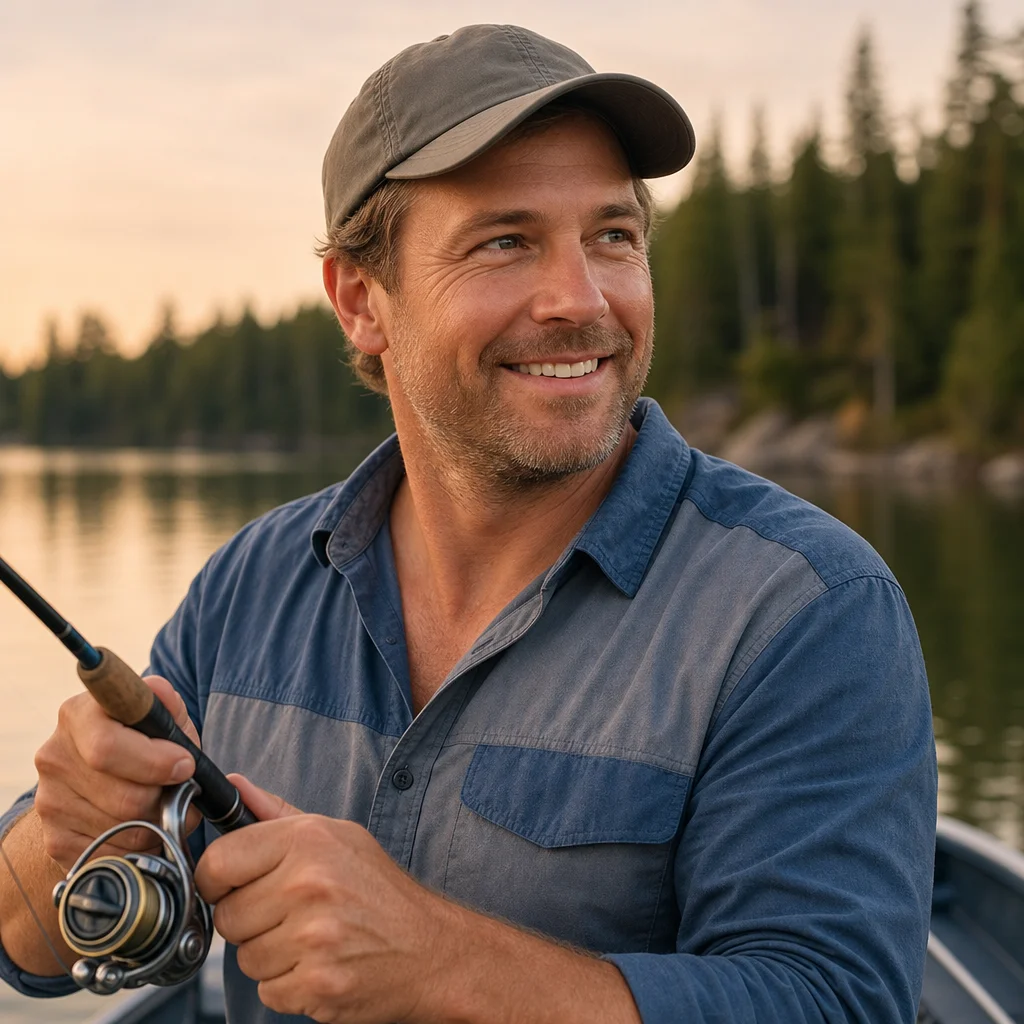
A windy day can make a bank fish well. Wind pushes bait, breaks up the surface, and may put active fish within reach of shore. It can also turn a normal walk to the water into the riskiest part of the trip.
When I fish from the bank in high wind, I treat balance and retreat options as part of the fishing plan—not an afterthought. The goal isn't to prove I can stand in ugly conditions. It’s to choose a spot and a setup that let me fish effectively while keeping both feet under me.
Check the shoreline and forecast you’re about to fish
Look at the latest wind forecast, gusts, thunderstorm outlook, water level, and any local access alerts before leaving. At the bank, watch the water for a few minutes before unpacking. If waves are washing over your intended footing, gusts are moving you off balance, lightning is possible, or the route back is becoming unsafe, choose a more protected location or call it a day. Check local agency rules as well, since closures and access conditions can change.
Pick the bank before you pick the lure
Not every shoreline is worth fishing in a strong wind. I start by looking for a bank that is protected by a point, stand of trees, bluff, bridge abutment, or the leeward side of a cove. A sheltered spot may not be completely calm, but reducing the direct force of the wind makes every part of the trip easier.
A good high-wind bank has three basic features:
- Firm, level footing set back from the water’s edge
- A clear path out that doesn't require scrambling over wet rocks or steep mud
- Room behind and beside me to cast without backing toward a drop-off or snagging brush
Avoid assuming that grass means stable ground. Grass can hide holes, slick clay, loose riprap, discarded line, and a sharp break near the water. Sand can shift underfoot, especially where wave action has undercut the edge. On rocky banks, the problem is often not the obvious large rocks but the smaller round stones that roll when weight goes onto them.
I give myself more distance from the edge than I would on a calm day. Wind-driven waves can reach farther up the bank than expected, and a sudden gust can turn a close-to-the-water stance into a stumble. There is rarely a fishing advantage to standing on the last available patch of dry ground.
Test the route with empty hands
Before carrying rods, a tackle bag, and a landing net down a slope, walk the route with your hands free. Notice where the ground changes from firm dirt to loose gravel, where a root crosses the trail, and where the bank drops away.
It also helps to identify a retreat point: a flatter area, trail, parking lot, or protected side of a structure where you can regroup if conditions worsen. In strong wind, “I’ll just head back if it gets bad” isn't much of a plan unless you already know exactly how you’ll get back.
Wear clothing and footwear that support your footing
The most useful high-wind clothing isn't necessarily the warmest or the most waterproof. It is clothing that lets you move freely, keeps you from getting chilled, and doesn't become a sail in gusts.
A layered system works well because it lets you adjust without returning to the vehicle. Start with a moisture-managing base layer in cool weather, add insulation as needed, and use a wind-resistant outer layer. A jacket with adjustable cuffs and a hood can keep wind-driven spray and cold air out, but a hood shouldn't block your side vision or hearing.
I prefer a cap with a retention strap or a snug beanie over a loose hat that needs constant rescuing. Polarized glasses can protect eyes from wind-blown grit and help with glare, but use a retainer so they don't become lake-bottom structure.
Footwear deserves extra attention. Choose boots or shoes with soles that grip the surface you will actually be standing on. Deep lugs can help on dirt and mud, while wet, smooth rock may require a different traction approach. The important point is that footwear should fit securely and not let your heel slide inside the boot.
Avoid loose laces, long coat hems, and dangling straps that can catch on brush or tangle around your feet. If rain is likely, remember that waterproof boots don't make slick banks safe; they simply keep wet feet from making a bad situation more miserable.
Build a stance that can handle a gust
A stable stance is simple: keep your feet about shoulder-width apart, soften your knees, and turn slightly so your body isn't squarely taking the full wind. Put your weight over your feet rather than leaning toward the water to gain a few extra inches of casting distance.
When casting, I avoid planting both feet in a narrow line along the bank. That position can feel natural until a crosswind hits. A staggered stance usually gives me a better base and lets me rotate through the cast without losing balance.
Take small steps when repositioning. Don't pivot quickly on wet grass, loose gravel, or sloped rock. If you need to look behind you before a cast, turn your whole body instead of twisting while your feet stay planted near an edge.
A wading staff or sturdy walking stick can be useful for negotiating uneven ground, but it isn't a substitute for solid footing. Keep it available for walking, then set it down safely before casting rather than trying to manage rod, line, and support stick at once.
Make shorter, lower-percentage-free casts
High wind punishes ambitious casting. The harder I try to force a long, high cast into a gust, the more likely I am to lose control of the lure, create a backlash, or hook shoreline cover behind me.
The better approach is to shorten the cast and lower the trajectory. Use a compact sidearm or low overhand motion when it is safe to do so. Keeping the rod tip and lure path lower reduces the amount of time the wind can push the line around.
A few adjustments help:
- Cast with the wind or at an angle to it whenever the bank layout allows.
- Avoid casting directly into severe gusts unless there is plenty of open water and room for error.
- Use a slightly heavier lure, jig, sinker, or bobber only when it still suits the fish and the presentation.
- Keep more line off the water when wind bow makes bite detection difficult.
- Close the bail by hand after a spinning-reel cast to reduce loops that can become wind knots.
There is no need to turn every windy day into a long-cast contest. Fish often use shoreline breaks, riprap edges, points, and protected pockets that are well within a controlled casting range.
Match the setup to the wind, not just the species
Light lures, long leaders, and thin floating line can be excellent tools, but they may become frustrating in a hard crosswind. A more compact presentation often makes sense from an exposed bank.
For example, a jig, Texas-rigged soft plastic, spoon, or weighted bait can be easier to place and maintain contact with than an unweighted offering. A float can still work, but choose one with enough weight and visibility to track in chop. The right choice depends on the species, water, and legal tackle rules, but control should be part of the decision.
If wind repeatedly blows your line into rocks, brush, or another angler’s space, change position or technique. Fighting the same bad angle usually costs more tackle than it catches fish.
Keep gear low, closed, and organized
Wind finds loose gear with impressive efficiency. An open tackle tray can scatter hooks, plastics, and swivels across a bank in seconds. A lightweight chair can slide or blow over. Landing nets and spare rods can become tripping hazards just when you need a clear path.
I keep only the immediate essentials out: the rod in hand, a small selection of terminal tackle, pliers, and a way to secure a fish if I expect to keep one legally. Everything else stays zipped, latched, or weighted down in a pack placed well back from the edge.
A few habits make a difference:
- Put the tackle bag on the sheltered side of your body or behind a stable natural windbreak.
- Close tackle boxes before selecting the next lure.
- Keep hooks covered or secured whenever a rod isn't in use.
- Lay rods parallel to the bank and away from walking paths, or use stable rod holders on appropriate ground.
- Don't leave line clippings or broken leaders on the bank; wind can carry them into vegetation and water.
If you use a rod holder, test it before trusting it. Soft soil, loose sand, and rocky banks may not hold one securely in gusts or when a fish strikes. A rod that launches toward the water is a quick way to turn a windy outing into an unplanned retrieval project.
Know when waves change the plan
Wind on open water can create waves that slap the bank, rebound off walls, and wash across low spots. That water movement changes footing quickly. It also makes fish landing more complicated because the shoreline rises and falls around the fish.
Don't reach down over unstable rocks or a steep edge to grab a fish. Use a net with adequate handle length when practical, or guide the fish to a gentler landing area. If the bank doesn't give you a safe way to land and release a fish, it isn't a good place to fish in those conditions.
Stay out of the water unless you have deliberately planned for legal, appropriate wading conditions and have assessed the current, bottom, and waves. Wind-driven waves can make shallow water surprisingly hard to read and can knock balance away quickly. From the bank, dry ground is usually the smarter advantage.
Set a clear stopping point
The safest decision is often made before conditions become dramatic. I use a simple rule: if I am spending more attention on staying upright than on where my lure is, I move to a protected spot or leave.
Pack up when gusts are becoming stronger or more frequent, waves begin reaching your gear area, rain turns the access trail slick, visibility drops, or you see signs of thunderstorms. Don't wait until the bank is difficult to cross. Leaving while the route is still manageable is part of fishing responsibly.
High wind doesn't automatically end a bank-fishing trip. It does ask for a more deliberate approach: choose a protected bank, give the water’s edge extra room, wear dependable footwear, simplify your tackle, and make casts you can control. With a stable stance and an easy way out, you can spend your attention where it belongs—watching the line instead of watching your balance.