The Morning I Ignored the Bait and Fished Empty Water
A practical lesson in reading baitfish and forage activity before committing to a favorite Midwestern lake shoreline.
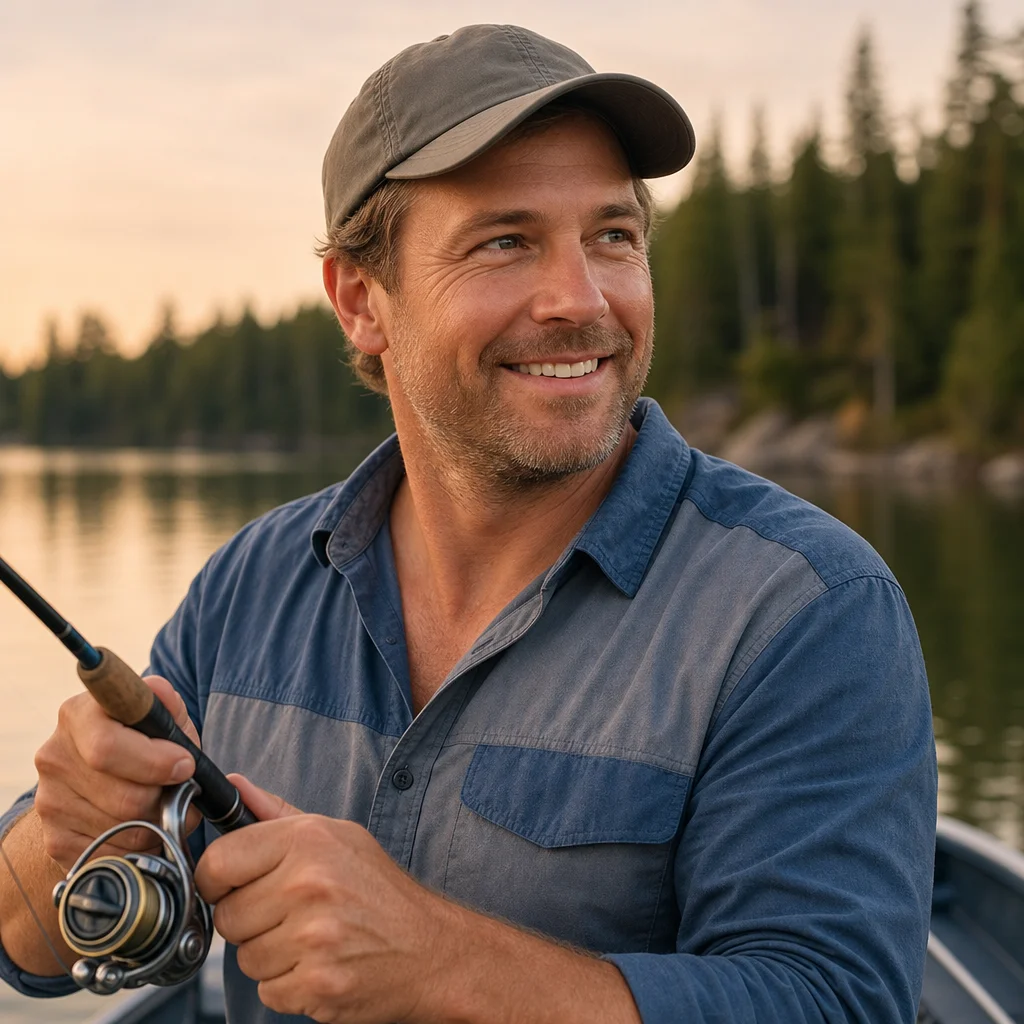
A favorite shoreline can be hard to leave. Maybe it has produced bass before, offers a clean casting lane, or simply looks exactly like the kind of place a fish ought to be. I understand that pull. But good-looking water and productive water aren't always the same thing.
One of the most useful adjustments I’ve learned is to stop treating a promising bank as the destination. Instead, I look for the food first. On many Midwestern lakes, visible forage activity tells a much clearer story about where game fish are likely to be feeding than a familiar point, dock, or weed edge does by itself.
Why empty-looking water can waste a good morning
Fish don’t abandon every piece of attractive cover just because bait moves elsewhere. A stump, laydown, rocky point, or patch of healthy weeds may still hold a fish or two. The problem is efficiency. When active bass, crappies, walleyes, or other predators have easy access to forage somewhere else, the best-looking shoreline can become a low-percentage place to spend an hour.
That’s what makes “empty water” so deceptive. It may have all the ingredients we’re taught to fish:
- Shade
- Cover
- A depth change
- A firm bottom or rocks
- Access to deeper water
Yet if there are no baitfish, insects, minnows, or other signs of life nearby, it may not be where the most active fish are feeding right then.
I don’t mean that every cast must be made into a boiling school of bait. Fish can be present without giving themselves away. But forage activity is one of the best clues an angler can get for free, and it’s worth taking seriously before settling into a favorite stretch of bank.
Start the morning by looking, not casting
It’s tempting to launch the boat, grab the rod that worked last time, and head straight to a dependable spot. I still like having a starting area, but I try to give myself a short observation period first.
In the first light of morning, I watch for:
- Small dimples from minnows near the surface
- Flicking shad or young-of-year baitfish along a weed line
- Bluegills popping at insects around shallow cover
- Loons, herons, gulls, or other birds working a concentrated area
- Surface swirls that don’t look like wind or feeding carp
- Bait marks or suspended clusters on sonar
- Repeated activity in one pocket, flat, or windblown shoreline
The key is repetition. One nervous minnow doesn’t necessarily change the plan. But a stretch of shoreline with steady bait movement, occasional predator swirls, and birds paying attention deserves a closer look.
This is especially important on a lake with plenty of similar cover. If every bank has docks and weeds, the bank with forage activity has a reason to move to the front of the line.
Read forage activity in context
Not all activity means the same thing. A few surface clues can help narrow down how to fish an area.
Bait tight to shallow weeds or reeds
When small baitfish are tucked along vegetation, predators may be using the outside edge, holes in the weeds, or nearby shade as ambush points. This is a good time to fish a moving bait parallel to the edge before picking apart the cover.
A compact spinnerbait, swim jig, paddletail swimbait, or small squarebill can help cover water without running too deep. If fish follow but won’t commit, slow down with a weightless soft plastic, Texas-rigged creature bait, or a jig around the best openings.
Surface flickers over deeper water
Bait dimpling over a point, channel swing, basin edge, or offshore hump often means predators are using open water rather than holding tight to the visible bank. The activity may be brief, and the fish may move quickly.
Keep a rod ready with a topwater, jerkbait, underspin, lipless crankbait, or small paddletail, depending on depth and the species you’re targeting. The goal is usually to get a cast beyond the disturbance and bring the lure through the area naturally rather than dropping it directly on top of the action.
Bait pushed into a windblown bank
Wind can stack plankton and small forage against a shoreline, point, or riprap bank. That can make a previously ordinary stretch suddenly worth fishing. On Midwestern lakes, a windblown side can be especially productive when it has a nearby break, scattered rock, or a healthy weed edge.
The wind doesn’t guarantee a bite, but it gives food a reason to gather. I’m more willing to fish a choppy, bait-filled bank than a calm, comfortable-looking one with no visible life.
Panfish activity around cover
Bluegills, young crappies, and other small fish can draw larger predators to docks, brush, and shallow grass. Watch for tiny wakes, quick pops, or groups of small fish moving in and out of shade.
Match the scale of what you see. If the forage is small, an oversized lure may still get noticed, but a smaller profile often makes more sense. A finesse swimbait, compact jig, small crankbait, or lightly weighted soft plastic can be a better starting point than the biggest bait in the box.
Let forage choose the location, then let conditions choose the lure
A common mistake is to pick a lure first and then search for a place where it might work. I’ve had better results doing the opposite: locate the forage activity, identify the cover and depth around it, and then choose a lure that fits the situation.
For example, if bait is scattered over a shallow flat with patchy grass, I want something that covers water and comes through vegetation cleanly. If bait is tight to dock posts in clear water, I may need a quieter, more precise presentation. If fish are busting briefly in open water, speed and casting distance matter more than pinpoint accuracy.
That process keeps tackle from becoming the main decision. The fish are telling you where the opportunity is; the lure is simply the tool you use to take advantage of it.
Don’t abandon good cover too quickly
Forage should influence your plan, not make you ignore every other fishing fundamental. A quality dock on a steep break, a deep weed edge, or a shaded laydown can hold fish even when the surface looks quiet.
I think of forage activity as a sorting tool. It helps decide where to spend the first part of the morning and where to return when conditions change. If a proven piece of cover has no visible life, I may still make a few deliberate casts. I just won’t devote half the morning to it while another area is showing bait and feeding activity.
This matters even more when the bite is tough. On difficult days, active forage may be subtle rather than obvious. You mightn't see fish breaking the surface, but sonar could show bait suspended near a break, or a few minnows may keep appearing beside a particular weed line. Those smaller clues are often enough to justify a careful pass.
A simple approach for your next trip
If you’re unsure how to put this into practice, keep the first hour simple:
- Choose two or three likely areas rather than committing to one favorite shoreline.
- Idle, drift, or walk quietly and observe before making a lot of casts.
- Rank areas by signs of forage and predator activity.
- Fish the liveliest area with a search bait first.
- Slow down only after you identify the best cover or get a response.
- Recheck quiet areas later, especially if wind, cloud cover, boat traffic, or sunlight changes.
This doesn’t require expensive electronics or a complicated pattern. Shore anglers can do it from the bank by watching shallow water, looking for bait along edges, and paying attention to birds. Boat anglers can add sonar to the picture, but their eyes still matter.
Before you move to the next stretch
Take a minute to watch the water from a distance. Look for repeated bait movement, birds concentrating in one area, or wind pushing food toward a bank. If you use sonar, confirm whether bait is suspended near the depth and cover you plan to fish. Conditions can shift quickly through the morning, so treat yesterday’s productive bank as a clue—not a guarantee.
Make your favorite spot earn the time
There’s nothing wrong with having confidence in a shoreline that has treated you well. Confidence helps you fish more carefully and make better casts. But it can also turn into stubbornness if you keep fishing it after the lake is showing you something different.
The next time you feel yourself heading automatically toward a favorite bank, pause and look for the food. Find the bait, notice where life is concentrated, and fish the cover closest to that activity first. You may still end up on that familiar shoreline—but you’ll get there because the conditions support the choice, not because it was the easiest decision to make.