The First Time I Packed Only Three Lures for a Morning
A practical first-person framework for packing three lures that cover depth, cover, and fish activity, helping beginner and intermediate anglers make quicker, more confident decisions on the water.
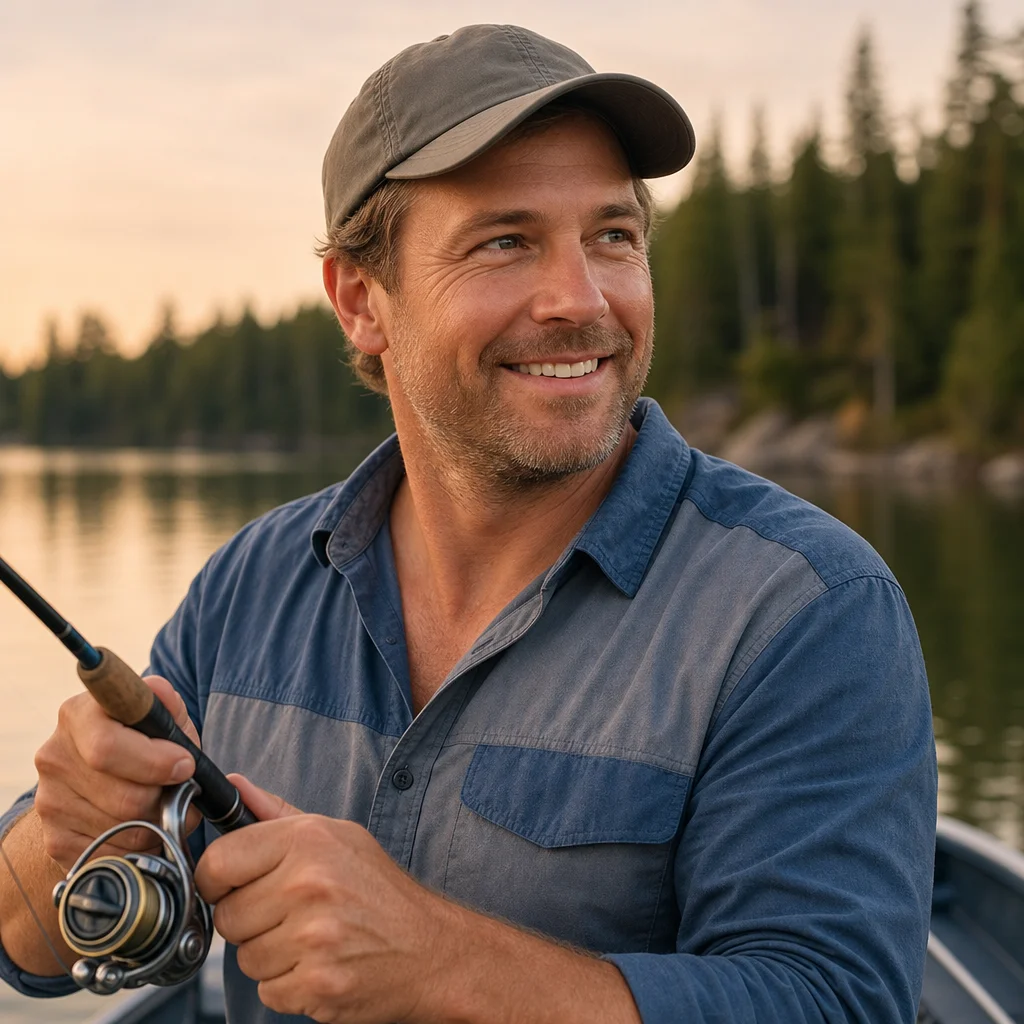
A tackle bag can make a short morning feel more complicated than it needs to be. When I bring too many choices, I can spend the first hour changing lures instead of learning what the water is telling me.
The idea behind packing only three lures isn’t to prove that more tackle is unnecessary. It’s to remove the easy excuse of switching every time a cast doesn’t work. With three deliberate choices, I can fish longer, pay better attention, and make changes for a reason.
For a morning trip, I build those three choices around three questions:
- How deep do I need to fish?
- What kind of cover or bottom am I dealing with?
- How active do the fish seem?
That small system works on ponds, lakes, rivers, and many reservoirs. The exact lures can change, but the jobs they perform should stay clear.
The goal is coverage, not a tiny tackle collection
Packing three lures doesn't mean choosing three versions of the same thing. A spinnerbait, a bladed jig, and a squarebill crankbait may all catch fish, but they overlap in the type of water they cover and the reaction bites they target.
Instead, I want each lure to give me a distinct answer.
- One lure reaches a useful depth or covers open water efficiently.
- One lure works through the cover I expect to find.
- One lure addresses the day’s likely activity level, whether that means a fast search bait or a slower, more deliberate presentation.
Sometimes one lure can do two of those jobs. A Texas-rigged worm, for example, can be fished around wood and grass, then dragged slowly on a deeper edge. But I still try to make sure my other two choices offer a noticeably different look, speed, or depth range.
The point isn't to have every possibility in the boat. The point is to arrive with a sensible starting plan.
Start with depth
Depth is usually the first decision because it determines where a lure can spend most of its time in the strike zone.
On a small pond with shallow banks and scattered weeds, my depth choice might be a compact spinnerbait, a shallow squarebill, or a weightless soft plastic. On a reservoir where fish may be holding on points, channel swings, or offshore rock, I may want a jig, a deeper-diving crankbait, or a soft plastic on a heavier rig.
I don’t need to know the exact location of every fish before I leave home. I just need a reasonable guess about the water I’ll be fishing.
A good depth-oriented lure should answer a practical question: Can I put this bait where fish are likely to be without fighting the lure on every cast?
If the answer is no, it probably doesn't belong in the three-lure plan.
Think in zones instead of exact feet
For most anglers, especially on unfamiliar water, broad depth zones are more useful than obsessing over a precise number on a package.
Consider these simple zones:
- Shallow: bank cover, flats, pockets, emergent vegetation, and the first break from shore
- Mid-depth: secondary points, outside weed edges, docks, submerged timber, and sloping banks
- Deep: ledges, main-lake points, channel edges, deep brush, and offshore humps
Your first lure doesn’t have to cover every zone. It needs to cover the zone you expect to matter most during the hours you will be fishing.
A morning can change quickly as light increases, wind picks up, or boat traffic starts moving water. That is one reason I like a three-lure setup: it gives me an easy adjustment without turning the deck into a garage sale.
Choose one lure for the cover in front of you
Cover dictates lure choice as much as depth does. A lure that runs perfectly through open water can become a headache in thick grass. A bottom bait that excels around brush may be painfully slow on a clean rocky bank where fish are chasing bait.
Before I pack, I think about what will be most common where I’m going:
- Grass or lily pads
- Laydowns and standing timber
- Docks
- Riprap and rock
- Clean banks or open water
- Mud, sand, or mixed bottom
Then I choose a lure that can get into that cover without constantly hanging up.
For grass, a weedless soft plastic, frog, or Texas-rigged creature bait is often a straightforward choice. Around wood and docks, a Texas rig or compact jig can be worked carefully into the places where fish can sit tight. On rock, a crankbait, football-style jig, or a finesse worm can make sense depending on depth and mood.
The important part isn't the name on the package. It is whether the lure can stay in contact with the place fish use while still being fishable.
Don’t confuse snag resistance with permission to rush
A weedless lure helps, but it doesn't make every cast automatic. When fishing wood, grass, or docks, I still slow down enough to feel the lure work through the cover.
Many bites happen when a bait pauses beside a limb, falls along a dock post, or pops free from grass. If I am simply throwing into cover and immediately reeling out, I may be skipping the most productive part of the retrieve.
This is where carrying fewer lures helps. Rather than wondering whether the “right” bait is still in the bag, I can focus on making better casts with the lure already tied on.
Match the third lure to fish activity
The third lure is my adjustment tool. It should give me an answer when fish are either more aggressive or less willing than I expected.
If I expect fish to be active, I may choose a moving bait that covers water:
- Spinnerbait
- Chatter-style bladed jig
- Lipless crankbait
- Squarebill crankbait
- Topwater walking bait or popper in appropriate conditions
These lures are useful for finding active fish, especially when there is wind, stained water, bait activity, or a broad area to search. They help me learn quickly: Are fish positioned shallow? Are they responding to flash, vibration, or speed? Are they scattered or concentrated?
If I expect a tougher bite, I may make the third lure a slower option:
- Ned rig
- Wacky-rigged stick worm
- Drop-shot
- Compact jig
- Texas-rigged worm
A slower bait gives fish more time to inspect it and gives me more control around specific targets. It isn't a surrender flag. It is simply a different conversation with the fish.
A simple three-lure lineup for common situations
The following examples aren't rules. They are starting points that show how the three jobs can fit together.
Shallow pond with grass and a stained-water morning
- Spinnerbait: Covers shallow water quickly and provides flash and vibration.
- Texas-rigged creature bait: Works through grass and into holes or edges.
- Weightless stick worm: Slows down around isolated cover if fish follow but won't commit.
This lineup gives me a fast option, a cover option, and a finesse option without requiring a dozen rods.
Clear-water bank fishing with rock and scattered docks
- Small crankbait or jerkbait: Searches along rock and transition banks.
- Wacky-rigged stick worm: Falls naturally beside docks and along calm edges.
- Ned rig: Works slowly when fish are deeper, pressured, or reluctant to chase.
Here, the emphasis is less on punching through heavy cover and more on controlling speed and keeping the presentation natural.
Reservoir morning with points, brush, and changing light
- Medium-diving crankbait or swimbait: Checks points and productive mid-depth water efficiently.
- Jig or Texas rig: Works brush piles, timber, and isolated targets.
- Drop-shot or finesse worm: Provides a slower option for deeper or less active fish.
That lineup can cover a surprising amount of water, especially if I pay attention to where each bite—or missed bite—occurs.
Let the first thirty minutes teach you something
The biggest benefit of a limited selection is that it encourages observation. I try to treat the first stretch of the morning as information gathering, not a test of patience.
I watch for:
- Baitfish flickering near the surface
- Wind pushing into a bank or point
- Water clarity changes
- Surface activity
- The type of cover that looks healthiest or most available
- Whether followers, short strikes, or bites occur at a certain retrieve speed
- Whether the lure is contacting the bottom, grass, or cover as intended
A single bite doesn't always reveal a pattern. But it is a clue. If I get a bite on a spinnerbait near windblown grass, I don’t immediately run to a finesse lure somewhere else. I make several similar casts first. If I get a bite on a slow worm under a dock, I look for more docks with the same depth, shade, or nearby bottom transition.
That is a more useful adjustment than changing colors every five minutes.
Make changes with a reason
With only three lures, a change should be tied to something you observed.
Change lures when:
- Your current bait can't reach the depth fish appear to be using.
- It is hanging in the cover too often to fish effectively.
- Fish follow or strike short, suggesting a different speed or profile may help.
- Weather or light conditions noticeably change the water you are fishing.
- You have given a presentation a fair effort in several promising areas without a clue that it is working.
Avoid changing simply because ten quiet minutes feel long. Fish aren't evenly distributed, and a good lure still needs to be put in front of them.
A useful habit is to change one variable at a time. If you switch from a fast moving bait to a slow soft plastic, you have changed speed, profile, and often depth all at once. That can be necessary, but recognize that it makes the result harder to interpret. When possible, make a smaller adjustment first: slow the retrieve, alter the casting angle, change the weight, or move to a similar target.
Keep the rest of the setup simple
Three lures are easier to use when the rest of the tackle supports them.
For a beginner, one versatile medium-heavy spinning or baitcasting setup can handle many of these presentations, though the best rod, reel, and line depend on the lure and cover. A medium-power spinning rod is particularly flexible for lighter soft plastics and finesse presentations. A medium-heavy baitcasting setup is often helpful for heavier cover and moving baits.
Rather than worrying about building a perfect collection, make sure your line is in good condition, your hooks are sharp, and your drag is set sensibly. Those basics matter more than bringing a fourth backup color.
Before you head to the water: Check the day’s weather, water conditions, and local fishing rules for the place you plan to fish. Wind, storms, access restrictions, and regulations can affect both your plan and what gear you should bring.
Try the three-lure morning on purpose
The next time you have a few hours to fish, choose three lures the night before. Write down the job each one is supposed to do: depth, cover, or activity level. Then give each lure enough time to show you something.
You may catch more fish. You may not. But you will almost certainly learn more than you would by cycling through every lure you own.
A smaller selection turns each cast into a clearer decision. For me, that is the real value of packing light: less time second-guessing the tackle and more time paying attention to the water.