What an Empty Cooler Taught Me About Choosing Better Stopping Points
A practical reflection on recognizing unproductive water, gathering useful clues, and moving before stubbornness turns a fishing day into a long wait.
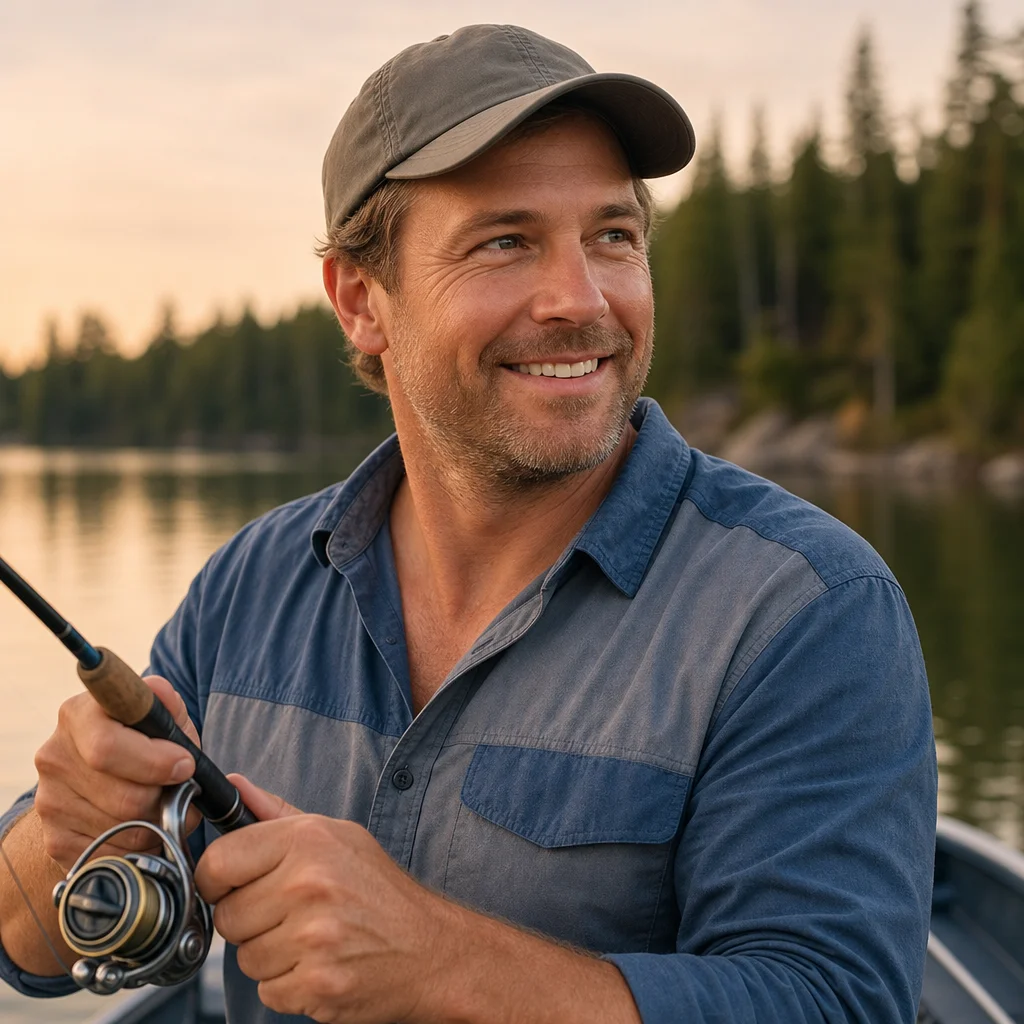
An empty cooler can be a better teacher than a full one—provided I’m honest about why it stayed empty.
Most of us have lingered too long at a spot that looked perfect. The bank had shade, the current had a nice seam, there was cover within casting distance, and maybe the first few casts even felt promising. So we keep casting. Then we change lures, slow down, speed up, and make another cast toward the same likely-looking stump.
There’s value in working a good-looking spot thoroughly. But there’s a point where patience stops being a fishing skill and becomes stubbornness. A quiet outing taught me that the difference usually comes down to having a stopping point before I start trying to justify staying.
A good-looking spot isn't the same as an active spot
Fishing is full of places that seem like they ought to hold fish. Often, they do. That doesn't mean the fish are feeding there right now, or that the conditions make them catchable.
A deep bend may have the right structure but no current. A shaded dock may be empty because the water underneath is unusually clear. A weed edge may look healthy from shore while offering little bait or oxygen in the section I’m covering.
Instead of asking, “Does this spot look fishy?” I try to ask a more useful question: “What evidence says fish are using this spot today?”
That evidence can be obvious:
- Baitfish dimpling the surface or moving along an edge
- Birds working over feeding activity
- Swirls, wakes, boils, or visible fish
- A current seam collecting drifting food
- Fresh shade, wind-blown banks, or recently flooded cover
- A strike, follow, bump, or short bite
It can also be quieter. Maybe I catch one small fish and see another follow. Maybe my lure comes back with a bit of vegetation that tells me the grass is thicker than it appeared. Maybe I notice the water cools noticeably near an incoming creek.
Even a spot that doesn’t produce can give me a clue. The important part is making sure I’m collecting those clues rather than merely repeating casts.
Set a stopping point before frustration makes the decision
The simplest way I’ve found to avoid overstaying a spot is to decide, in advance, what “enough effort” looks like.
That doesn’t have to mean watching the clock with military precision. It means giving a spot a fair, intentional test. For a small pond bank, that might be 15 to 20 minutes. On a large reservoir point, it may mean a few deliberate passes from different angles. While wading a stream, it may mean covering the full run—from the head, through the seam, into the tailout—before moving upstream.
The exact amount of time matters less than what I do with it.
A fair test generally includes:
- Covering the most likely water. Cast to the edge of cover, along transitions, into shade, across current seams, and to the deeper or shallower side when appropriate.
- Trying more than one presentation. I don’t need to empty the tackle bag, but I do want to test whether fish respond to a different speed, depth, profile, or level of vibration.
- Changing my casting angle. Fish positioned around wood, docks, rocks, and current often see a bait differently depending on its approach.
- Paying attention to feedback. Snags, weeds, bottom composition, bait activity, water temperature changes, and missed strikes all help shape the next move.
If I’ve done those things and received no meaningful feedback, I have a decision: keep experimenting because I have a specific reason, or move because the spot hasn't earned more time.
That last part is important. “I don’t want to leave yet” is understandable, but it isn't evidence.
Give the spot a proper test, not an endless audition
There’s a difference between leaving too quickly and staying too long.
Leaving after three casts can be just as unhelpful as fishing one laydown for an hour. A spot deserves enough attention to reveal its basic personality. I want to know whether it has fishable depth, usable cover, bait, current, or a realistic feeding lane.
Start with the obvious high-percentage cast
Before experimenting, make the cast that best matches the structure in front of you. Work the shady side of the dock. Run a lure parallel to the grass line. Drift a bait naturally through the current seam. Present something tight to the submerged log instead of landing six feet short of it.
This sounds basic, but it keeps me from blaming the spot when I simply haven’t put a bait where the fish are likely to be.
Change one meaningful variable
When the first approach doesn’t work, I try not to make random changes. I change one thing with a purpose.
If I’m fishing too high in the water column, I use a bait that reaches deeper. If a fast-moving lure draws no attention, I slow down. If the water is stained and I’m getting no contact, I may try a presentation that puts out more vibration. If fish are following but not committing, a smaller or more natural offering may make sense.
The goal isn't to prove that every lure in my box can fail in the same spot. The goal is to learn whether depth, speed, color, action, or angle is the problem.
Leave while you still have a reason to move
Moving is easiest before I’m irritated. Once I’ve invested too much time, I tend to feel like the spot owes me a fish. Of course, it doesn’t.
A better habit is to leave with a destination in mind. If the shaded bank is quiet, I might try the wind-blown point. If the shallow cove lacks bait, I might check a nearby channel swing or an inflowing creek. Each move should test a different condition, not just put me on a different piece of shoreline.
Keep a simple record of what the water told you
A fishing log doesn’t need to be elaborate to be useful. I’ve found that a few notes after an outing can turn an empty cooler into information I can use next time.
For each stop, record a handful of details:
- Time of day
- Weather and recent weather changes
- Water clarity and surface conditions
- Water level or current, where relevant
- Cover and depth fished
- Baitfish or visible fish activity
- Lures or baits tried
- Strikes, follows, missed bites, and catches
- Why you left
That final note—why you left—is especially valuable. “No bait, no strikes after covering the grass edge at two depths” tells me much more than “fished grass.” So does “fish followed a spinnerbait but wouldn’t commit” or “current stopped and bites ended.”
Over time, patterns begin to show up. Maybe I discover that certain pockets only produce when wind pushes into them. Maybe I learn that the first rock point outside a spawning flat is more reliable than the flat itself once the sun gets high. Maybe I simply learn that I’m giving unproductive docks far too much of my day.
Know when patience is still the right choice
This lesson isn't an argument for racing from spot to spot. Some situations reward staying put.
If fish are showing themselves, if bait is present, or if you’re getting strikes but not hookups, the spot is giving you a reason to keep working. The same is true when a predictable change is close—such as improving light, rising water, a tide shift in coastal areas, or a period when current is expected to resume.
Patience also makes sense when access is limited. A small pond, short stream reach, or crowded bank may not offer many meaningful alternatives. In that case, moving may mean changing presentation, depth, or casting angle rather than physically relocating.
The key is that patience should rest on something observable. I want to stay because the conditions suggest an opportunity, not because I’ve become attached to a patch of water.
Check the conditions that affect your next move
If your decision depends on current generation, water level, tides, weather, or access hours, check the latest local source before heading out or relocating. Those conditions can change quickly and can determine whether a spot is worth waiting on.
Make the next stop a better experiment
The best move is usually not random. If one area is quiet, I think about what was missing and look for it somewhere else.
If I found no bait in calm, clear shallows, I may look for wind, shade, depth, or moving water. If fish ignored a lure on a shallow flat, I may try the first break leading away from it. If the main lake is muddy after rain, a clearer tributary or protected pocket may offer a better chance.
This approach turns each stop into a comparison:
- Calm bank versus wind-blown bank
- Shallow cover versus nearby depth
- Clear water versus stained water
- Slack water versus moving water
- Bright sun versus shade
- Sparse bait versus concentrated bait
By the end of the day, even without many fish, I have a clearer picture of what the fish were and weren't using.
Don’t measure the day only by the cooler
I’d still rather bring fish home than bring home a list of lessons. But an empty cooler doesn't automatically mean a wasted trip.
If I learn that a spot lacked bait, that a lure was running above the fish, that the wind had repositioned activity, or that I stayed too long after the clues disappeared, the next outing begins with better information. That is more useful than pretending a quiet spot was about to turn on at any moment.
On your next trip, choose a simple stopping rule before your first cast. Give each location a deliberate test. Watch for evidence, make purposeful adjustments, and move when the water stops giving you a reason to stay.
The cooler may still come home empty once in a while. But you won’t come home empty-handed.