What Is the Simplest Freshwater Setup for Kids?
A simple, forgiving freshwater fishing setup for kids: a short spincast combo, manageable monofilament line, basic terminal tackle, and easy live or prepared bait.
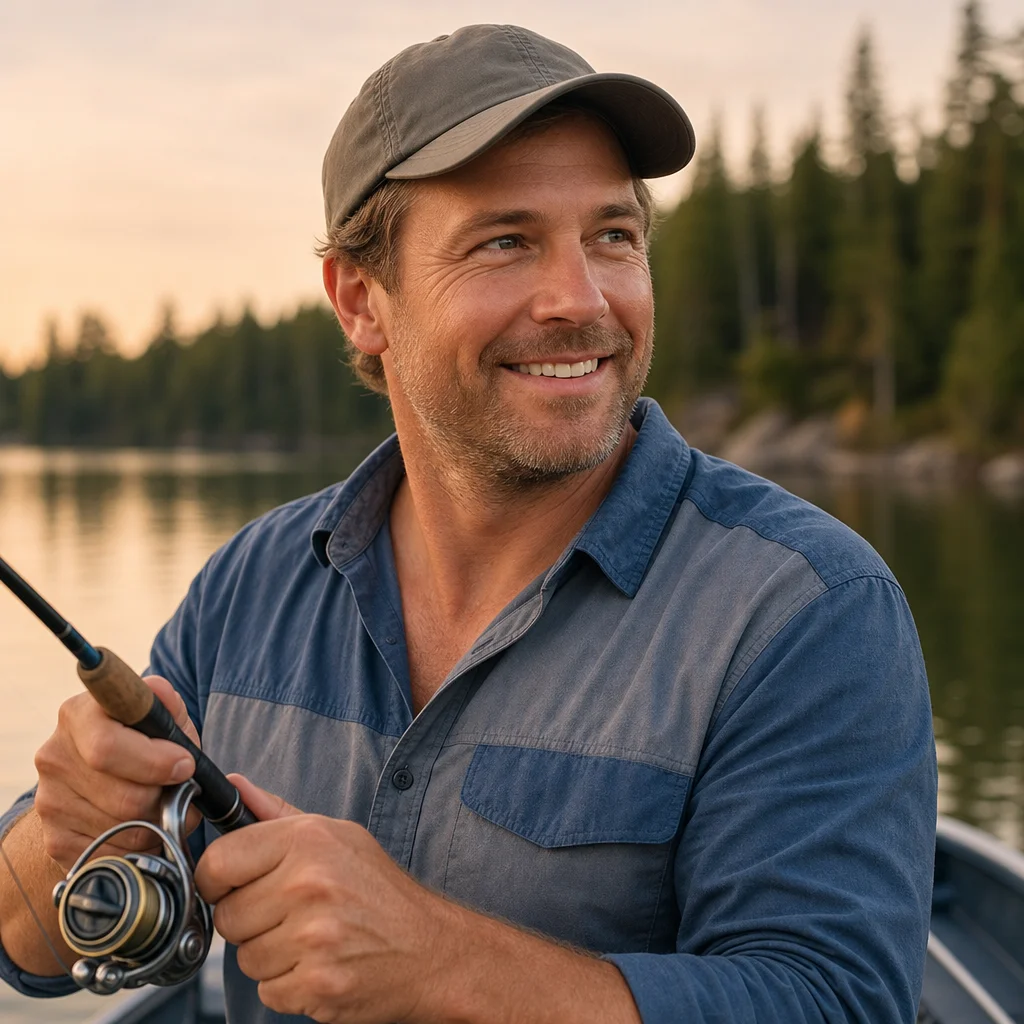
A kid’s first fishing setup doesn’t need to cast a mile or cover every species in the lake. It needs to be easy to hold, hard to tangle, and ready to catch the fish most likely to bite near shore.
When I’m helping a young angler get started, I aim for one thing: more time watching a bobber and less time sorting out line wrapped around a reel handle. A short spincast outfit with simple bait is usually the most forgiving place to begin.
Start with a short spincast rod-and-reel combo
The simplest all-around choice is a spincast combo: a rod paired with a closed-face reel. These are the reels with a push button on the back or top. Press and hold the button to cast; release it to let the line go. To retrieve, turn the handle.
For most kids, I’d choose:
- A 4½- to 5½-foot rod
- A light or medium-light power
- A spincast reel already matched to the rod
A shorter rod is easier for small hands to control around docks, bank brush, and other people. It also keeps the casting motion manageable. A light or medium-light rod has enough bend to make small fish feel exciting, while still handling a decent panfish, trout, or small bass.
Closed-face spincast reels aren’t perfect, but they are usually more kid-friendly than open spinning reels at the beginning. The line is enclosed, and the button casting motion is easy to learn. That means fewer opportunities for an enthusiastic young caster to create what looks like a tiny bird’s nest.
Choose comfort over character graphics
Kid-themed outfits can be fun, and a favorite color or character may make a child more eager to fish. Still, check the basics before buying:
- The rod should feel light enough for the child to hold with one hand.
- The reel button should press smoothly.
- The handle should turn without sticking.
- The rod guides should be smooth, with no sharp edges or bent inserts.
A plain, well-built combo is often a better long-term choice than a heavily decorated one that feels stiff or clunky. If the child loves the look of a particular combo and it works smoothly, though, that excitement counts for something too.
Keep the line simple and manageable
For a general freshwater setup, 6-pound monofilament line is a sensible starting point. It is inexpensive, easy to tie, has some stretch, and is forgiving when a child pulls too hard during a fight.
Many spincast combos come preloaded with line. That is fine for the first few outings if the line looks clean and comes off the reel smoothly. If it is badly coiled, kinked, or unusually thick, replacing it with fresh 6-pound monofilament can make casting much easier.
There is no need to introduce braided line or fluorocarbon leaders for a child’s first bobber-and-bait trip. Those have useful applications, but a beginner benefits more from a setup they can understand and use confidently.
Use a basic bobber rig
A bobber rig is easy for kids to see, easy for adults to explain, and effective for many common freshwater fish. It is a good choice for bluegill, sunfish, crappie, small perch, stocked trout, and other fish that feed close to shore.
A simple rig includes:
- A small round or pencil-style bobber
- One or two small split-shot weights
- A small bait hook
Attach the bobber a few feet above the hook, then pinch a split shot roughly 8 to 12 inches above the hook. The weight helps the bait sink and keeps the bobber standing upright.
For shallow bank fishing, start with the bait about 2 to 3 feet below the bobber. If you aren't getting bites, adjust the depth a little at a time. In many ponds, the fish are closer to the bank, weeds, shade, dock posts, or other cover than beginners expect.
Pick hooks that match the bait and fish
For small freshwater fish, a size 8 or size 10 bait-holder hook is a good all-purpose choice. These are small enough for panfish but still easy for an adult to bait and remove.
If hook removal is likely to be difficult, consider barbless hooks or pinch down the barb carefully with pliers. A barbless hook can make releasing fish, and occasionally freeing a hook from a backpack or sleeve, much easier.
Circle hooks are another option, especially when fishing with bait. They are designed to catch more often in the corner of the fish’s mouth when the line is steadily tightened instead of sharply jerked. For young anglers who tend to swing hard at every bobber twitch, though, a standard small hook is often easier to teach at first.
Choose bait that gets bites without adding fuss
The best beginner bait is usually the bait that is legal where you are fishing, easy to keep on the hook, and likely to attract the fish in that water.
For pond and lake panfish, I’d keep it simple:
- Worms or small pieces of nightcrawler: Reliable, widely available, and attractive to many species.
- Small crickets or mealworms: Often effective for bluegill and other sunfish where permitted.
- Prepared dough bait: Convenient for stocked trout and some pond fish; follow the package directions.
- Tiny pieces of shrimp or other local natural bait: Sometimes useful, but only where legal and appropriate for the species.
A whole large worm can be more bait than a small bluegill needs. Threading on a short piece, about an inch or so, often produces more bites and makes it easier for a young angler to see a clear bite instead of waiting for a fish to wrestle with a giant meal.
Avoid loading up a child’s first tackle box with a pile of lures. Small spinners, jigheads, and soft plastics can be fun later, but they add casting and snagging complications. A bobber, a little bait, and a patient approach will catch plenty of first fish.
Make casting easier before heading to the water
A few minutes of practice in an open yard can prevent a frustrating first hour at the pond. Remove the hook or use a practice plug, then show the child the same short routine every time:
- Hold the rod with the button facing up.
- Point the rod behind them, after checking that nobody is nearby.
- Press and hold the button.
- Swing the rod forward smoothly.
- Release the button when the rod points toward the target.
The goal isn't a powerful cast. A smooth cast of 15 or 20 feet is enough for many kid-friendly fishing spots. In fact, teaching children to cast short and accurately will save tackle around trees, dock ropes, and shoreline bushes.
If the child has trouble timing the release, let them drop the bait straight down beside the bank, dock, or shallow cover. That still counts as fishing, and it can be surprisingly productive.
Keep the rest of the kit small
A beginner doesn't need a tackle bag that could supply a tournament boat. I’d bring a compact kit with:
- Extra size 8 or 10 hooks
- A few small bobbers
- Split-shot weights
- Needle-nose pliers or a hook-removal tool
- Line clippers or small scissors
- Bait and a small container for it
- A towel or rag for wet hands
- Drinking water, sunscreen, and snacks
An adult should handle hook tying, hook removal, and any serious tangle at first. Kids can still take part by choosing the bait, clipping on a bobber, watching the line, and reeling in. As their coordination improves, hand over one task at a time.
Check the rules for the water you’re visiting
Before you bait a hook or keep a fish, look up the current fishing license requirements, youth exemptions, seasons, species rules, bait restrictions, and harvest limits for that specific lake, pond, river, or state or provincial jurisdiction. These rules can differ even between nearby waters. If live bait is allowed, buy it locally when possible and never release unused bait into the water.
A ready-to-use first setup
If you want one straightforward shopping list, this is it:
- Rod and reel: 4½- to 5½-foot light or medium-light spincast combo
- Line: 6-pound monofilament
- Bobber: Small clip-on round bobber or pencil bobber
- Weight: One or two small split shots
- Hook: Size 8 or 10 bait-holder hook, preferably barbless for easy release
- Bait: Small worm pieces or other locally legal bait
Set the bobber about 2 to 3 feet above the hook, add a small split shot near the hook, and fish the edge of weeds, shade, dock pilings, or a quiet shoreline corner. Start close. Young anglers don't need to reach the middle of the water to find fish.
Let the first trip stay simple
The first goal isn't filling a stringer, mastering knots, or catching the biggest fish in the pond. It is helping a child make a cast, recognize a bite, and feel the pull of a fish on the other end of the line.
Bring the short spincast combo, a few bobber rigs, and easy bait. Choose a safe spot with room to cast and likely fish close to shore. Then slow down, keep instructions short, and celebrate the little victories: a clean cast, a bobber disappearing, a careful release, or even a good story about the one that got away. That is how a simple setup turns into a reason to come back next weekend.