A Practical Rod-and-Reel Setup for First-Time Kayak Anglers
A beginner-friendly guide to choosing a manageable rod, reel, line, and storage system for fishing from a kayak.
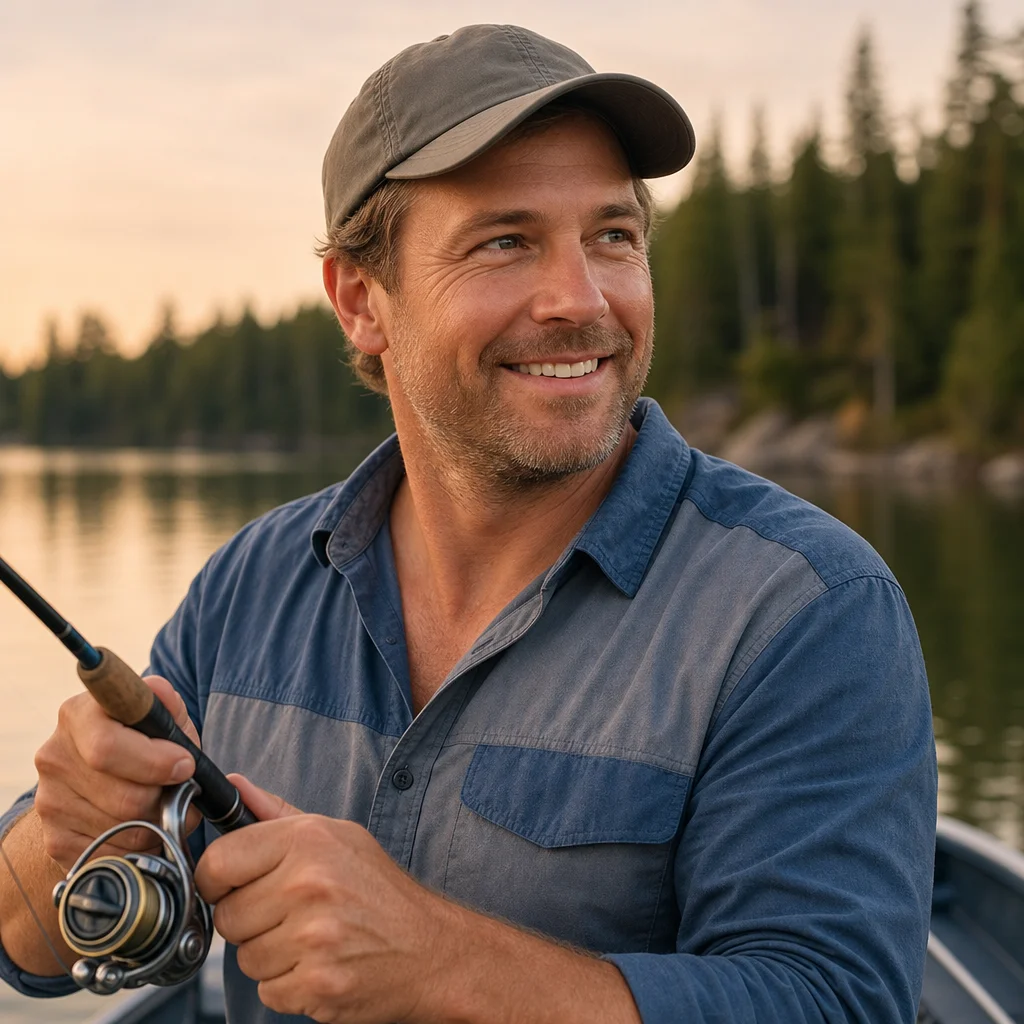
Fishing from a kayak changes what “good tackle” looks like. A long rod that feels great on a bank can be clumsy around a paddle, a raised crate, and your knees. A reel that holds plenty of line may add weight you don’t need. And a loose rod can become expensive the first time the kayak rocks unexpectedly.
For a first kayak setup, I’d keep things simple: one versatile spinning rod and reel, sensible line, a small selection of terminal tackle, and a secure way to store everything. The goal isn’t to carry every option. It’s to make casting, paddling, and landing fish feel manageable in a limited space.
Start with one versatile spinning setup
A spinning outfit is the most practical starting point for most new kayak anglers. It handles light and medium lures well, is forgiving when casting from a seated position, and is easier to manage when the wind or a moving kayak makes perfect timing difficult.
For freshwater bass, panfish, walleye, trout, and similar species, a medium-light or medium-power spinning rod covers a lot of ground. Pair it with a 2000- or 2500-size spinning reel, and you have a setup that can throw small soft plastics, spinners, jigs, and modest hard baits without feeling bulky.
If your primary target is panfish and small trout, lean toward medium-light power. If bass are the main attraction, medium power is usually the better all-around choice. For inshore saltwater species or heavier cover, a medium-heavy setup may be appropriate, but I wouldn’t make it the default first outfit unless the fish and water clearly demand it.
A useful all-purpose starting point
For many beginner kayak anglers, this combination is hard to beat:
- Rod: 6 feet 6 inches to 7 feet, medium power, fast or moderate-fast action
- Reel: 2000 or 2500 spinning reel
- Main line: 10- to 15-pound braid, or 8- to 12-pound monofilament
- Leader: 8- to 12-pound fluorocarbon or monofilament when needed
That setup isn't perfect for every fish or every lure, but it is manageable, versatile, and uncomplicated enough to build confidence.
Choose rod length for the space around you
Rod length matters more in a kayak than many beginners expect. You need enough length to cast and control a fish, but not so much that the tip constantly catches the water, your gear, or low branches along the bank.
A rod between 6 feet 6 inches and 7 feet is a comfortable middle ground. It has enough reach for casting and steering a fish around the front of the kayak, while remaining short enough to handle in a seated position.
Shorter rods, around 6 feet to 6 feet 6 inches, are especially nice in tight creeks, brushy shorelines, and compact recreational kayaks. They are also easier to stow across the deck while you paddle. The tradeoff is a little less casting distance and line control.
Rods longer than 7 feet can certainly work, especially on open water. Still, they ask more of the angler. Landing a fish beside the kayak becomes awkward when a long rod is held high and the fish is directly below you. A longer rod can also be more likely to snag overhanging limbs or strike the water during a hurried cast.
For a first rod, I’d rather see a beginner choose a slightly shorter, easier-to-handle model than chase maximum casting distance.
Match reel size to the rod, not to your worries
A larger reel isn't automatically better on a kayak. It adds weight, can make a balanced rod feel tip-heavy, and usually offers more line capacity than freshwater anglers need.
A 2000- or 2500-size spinning reel balances well on most medium-light and medium rods. It holds enough line for typical freshwater fishing, has a usable drag, and is small enough to work around your lap and cockpit.
Look for a reel with a smooth drag adjustment, a comfortable handle, and a spool that lays line evenly. You don't need the most expensive model in the aisle, but a dependable reel is worth prioritizing. A rough drag or constant line twist is more frustrating when you are trying to manage a drifting kayak at the same time.
If possible, mount the reel on the rod in the store. Hold it as though you were seated, with one hand near the reel seat. The outfit shouldn't feel nose-heavy or awkward to lift one-handed.
Pick line that is easy to live with
Line choice affects casting, snag recovery, knot tying, and how easily you can control a fish near the kayak. There is no single right answer, but simple choices tend to work best at the beginning.
Monofilament: the uncomplicated option
Monofilament is affordable, easy to tie, and forgiving when you are learning. Its stretch can help cushion sudden runs from fish, and it works well with many moving baits.
For a general freshwater spinning setup, 8- to 12-pound monofilament is a reasonable range. Lighter line is useful for clear water and small lures; heavier line offers more abrasion resistance around wood, rocks, and vegetation.
The downside is that mono has more memory than braid, so it can coil off a spinning reel if it is old, overfilled, or poorly spooled.
Braid: sensitive and compact
Braid has a small diameter for its strength, casts well, and makes it easier to feel light bites. It is especially useful around vegetation and when fishing soft plastics or jigs.
For a versatile kayak spinning outfit, 10- to 15-pound braid is a sensible starting point. Add a short leader of fluorocarbon or monofilament when you want less visible line near the lure or a little extra abrasion resistance.
Braid does require good knots, and it can wrap around loose items on deck if you are careless with it. Keep your cockpit tidy and avoid leaving long lengths of slack line where a paddle or shoe can catch them.
Fluorocarbon: best used as a leader for most beginners
Fluorocarbon sinks and is relatively abrasion resistant, but it can be stiff on a spinning reel. I generally think it makes more sense as a leader than as the main line for a first kayak spinning setup.
An 8- to 12-pound leader, roughly 2 to 6 feet long, is enough for many freshwater situations. Keep it shorter if you dislike casting a leader knot through your rod guides, and longer when you need more separation between visible braid and the lure.
Rig the rod for awkward landing angles
Landing a fish from a kayak is different from stepping backward on a bank. You are sitting low, the fish may circle beneath the bow, and reaching over the side too far can upset your balance.
A moderate rod length helps, but your rigging choices matter too. Avoid tying on lures with treble hooks and then leaving them loose in the cockpit. Use a lure wrap, hook keeper, or small tackle box before paddling to the next spot.
A compact rubber-mesh landing net can be useful for fish that are difficult to lip safely or that you plan to release. Choose one that can be secured within reach without blocking your paddle stroke. A large net may seem reassuring, but it takes up valuable space and can become a tangle point.
For bass and similar fish, practice bringing the fish alongside the kayak rather than directly in front of you. Keep the rod low enough to maintain pressure, guide the fish to your stronger side, and avoid sudden leaning. The fish is rarely worth a rushed grab.
Store rods so they can't become hazards
Rod storage is part of the setup, not an accessory to figure out later. A rod sliding around the deck can snag your paddle, catch a hook in your clothing, or disappear overboard during a surprise wake.
Many fishing kayaks include flush-mounted or track-mounted rod holders. Recreational kayaks may not, and that is fine. You can begin with one rod laid securely along the deck while paddling, provided its hooks are covered and it is restrained.
A rod leash adds cheap insurance, particularly when you are learning. Attach it to the rod butt or a sturdy point near the reel, not the thin rod tip. Keep the leash short enough that it won't drag in the water or wrap around your legs.
If you use vertical rod holders behind the seat, pay attention to clearance. Tall rods can snag trees, bridges, and low docks. They can also interfere with casting if they sit too close to your shoulder. Horizontal storage along the side of the kayak is often easier in tight water.
A small milk crate, soft tackle bag, or compact storage box behind the seat is plenty for a first trip. Pack only what you can reach without twisting far around. If you need to turn your whole body, do it when the kayak is stable and the paddle is secured.
Keep a small, repeatable tackle selection
A kayak makes it tempting to bring a full garage’s worth of tackle because there is technically room for another box. I’d resist that urge. More gear means more clutter, more hook hazards, and more time searching instead of fishing.
A practical starter selection might include:
- A few soft-plastic worms or paddletails with matching hooks or jig heads
- Small spinnerbaits, inline spinners, or bladed jigs suited to your target species
- A couple of shallow- and medium-running hard baits if they fit your fishing style
- A small pack of weights, swivels, and extra hooks
- Line cutters or pliers secured with a tether
- A compact first-aid kit stored in a dry bag
Choose lures you can fish with one rod. A soft plastic on a jig head or weedless hook is a particularly useful starting point because it can be worked slowly, fished around cover, and changed without carrying a complicated collection of gear.
Before launching your kayak
Check the current rules for the water you are about to fish, including fishing-license requirements, local access restrictions, and required safety equipment. Confirm your kayak’s capacity and outfitting instructions with its manufacturer, and wear a properly fitted personal flotation device while on the water. Conditions, rules, and equipment requirements can vary by location.
Build the setup around comfort and control
The best first kayak rod-and-reel setup is one you can use without constantly rearranging it. A 6-foot-6-inch to 7-foot medium or medium-light spinning rod, a 2000- or 2500-size reel, and straightforward line will handle a surprising range of fishing.
Start with one rod, one small tackle box, and a secure storage plan. Spend the first few trips learning how your kayak drifts, where your paddle belongs during a cast, and how to bring a fish alongside without overreaching. Once those basics feel natural, you will know whether a second rod, a specialized technique, or more storage actually solves a problem you have—not one the tackle aisle invented for you.