How to Select a Rod for Small Ponds, Creeks, and Bank Fishing
A beginner-friendly guide to choosing rod length, power, action, and portability for fishing compact freshwater spots from the bank.
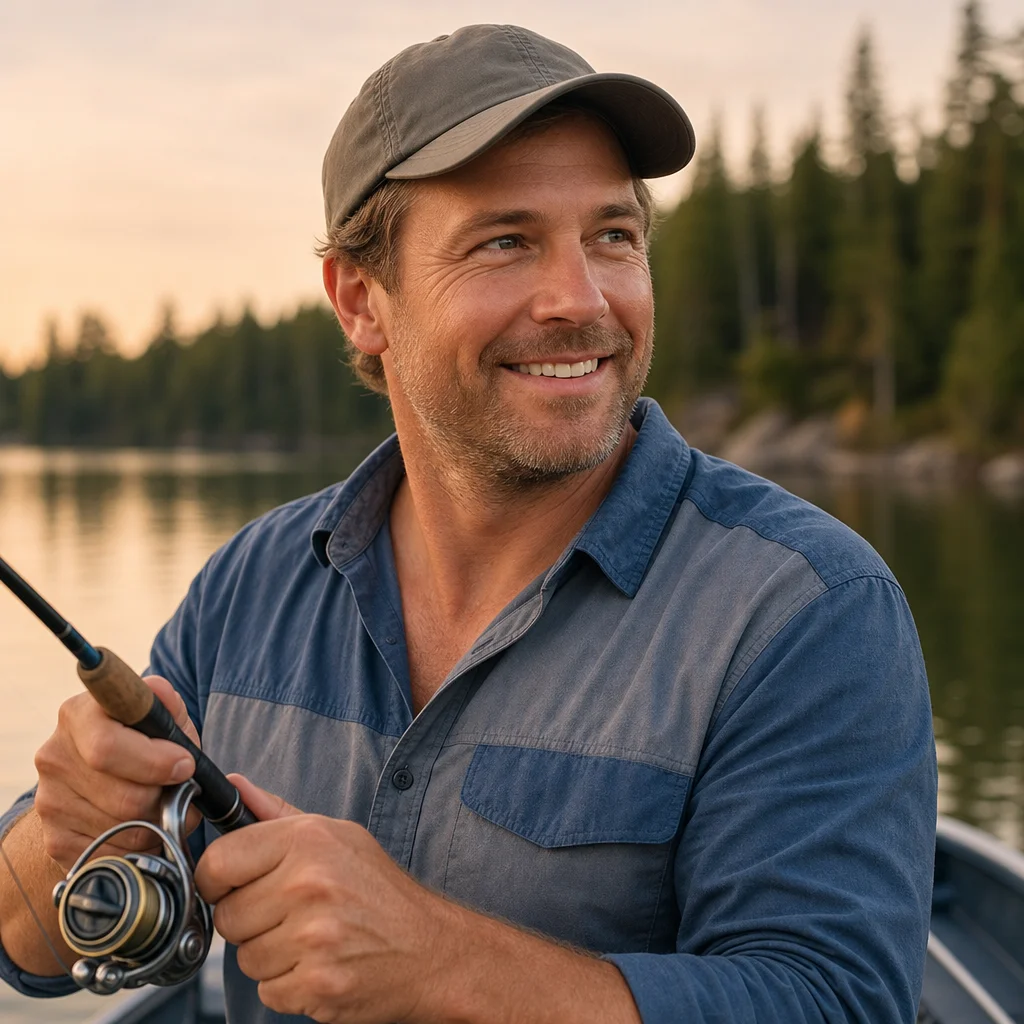
Small ponds, narrow creeks, and bank-fishing spots can make rod shopping feel more complicated than it needs to be. You need enough reach to cast past shoreline weeds and work a lure, but not so much rod that overhanging branches and brush turn every cast into a negotiation.
For most beginners who want one rod for compact freshwater water, I’d start with a 6-foot to 6-foot-6-inch medium-light or medium-power spinning rod with a fast action. That range is manageable in tight quarters, versatile enough for common pond fish, and easy to pair with affordable spinning reels and light line.
The best choice changes with the fish you target, the lures you use, and how much room you have behind you to cast. Here’s how I’d narrow it down.
Start With the Water You Actually Fish
A rod that feels ideal on an open reservoir bank can be awkward beside a brushy creek. Before getting caught up in specifications, think about the places where you’ll spend most of your time.
Choose a shorter rod when you commonly fish:
- Creeks with low trees, brush, or tall grass behind you
- Small ponds with close bank cover
- Docks, culverts, or spots with limited casting room
- Areas where you need to make short, accurate casts
Choose a somewhat longer rod when you commonly fish:
- Open pond banks with room to cast
- Shorelines where fish may hold beyond a band of shallow water or weeds
- Light lures that benefit from a little extra casting distance
- Banks where you need to keep line above grass, rocks, or shallow cover
There is no magic rod length for every spot. But for compact water, I generally view 6 feet to 6 feet 6 inches as the practical middle ground. It is long enough to cast efficiently and control a fish near the bank, while still being short enough to manage around cover.
Choose Rod Length for Casting Room and Control
Rod length affects casting distance, leverage, lure control, and how easily you can move around tight banks.
Short rods: about 5 feet to 6 feet
A short rod is a sensible choice for tight creeks and heavily wooded banks. It is easier to swing under branches, cast from awkward positions, and carry through brush.
Short rods also make close-range casting feel direct and controlled. If you are dropping a small lure beside a log, under a bush, or along a narrow creek seam, that can be more valuable than maximum distance.
The tradeoff is reduced casting distance. A very short rod may also make it harder to steer a fish away from weeds or lift line over shoreline vegetation.
Mid-length rods: about 6 feet to 6 feet 6 inches
This is the most versatile range for many bank anglers. A rod in this length gives you good casting ability without feeling unwieldy around small ponds and creeks.
If you only plan to buy one rod, a 6-foot-6-inch spinning rod is hard to beat. It handles open-bank casting reasonably well, still works around modest cover, and can throw many popular freshwater lures.
Longer rods: 7 feet and up
A 7-foot rod can be useful from open banks because it helps with casting distance and line control. It is especially handy when you need to throw light lures farther or keep your line clear of shallow grass near shore.
Still, longer isn't automatically better for small water. In a narrow creek corridor or a pond surrounded by trees, a 7-foot-plus rod may feel cumbersome. If your usual fishing spot requires sidearm casts under limbs, a shorter rod is often the better tool.
Match Rod Power to Fish Size and Lure Weight
Rod power describes how much force it takes to bend the blank. It is commonly labeled ultralight, light, medium-light, medium, medium-heavy, and heavy.
For small freshwater spots, I would focus on light, medium-light, and medium power rods.
Ultralight and light power for panfish and small lures
An ultralight or light rod is ideal when most of your fishing involves bluegill, crappie, small trout, creek chubs, and other smaller fish. It casts tiny jigs, small spinners, and live-bait rigs well.
These rods make modest fish feel lively, which is part of the fun. But they aren't the best all-around choice if you routinely fish thick weeds or expect decent-sized bass. Their lighter backbone can make it harder to pull a fish away from cover.
Choose light power if you mainly use:
- Small inline spinners
- Tiny jigs and soft plastics
- Crickets, worms, and other live bait
- Small floats and light terminal tackle
Medium-light power for the best all-around finesse option
A medium-light rod is often the sweet spot for an angler who targets panfish but also wants a realistic chance at bass. It handles lighter lures better than a medium rod while providing more control than a light rod.
For small ponds and creeks, medium-light power works well with:
- Small soft-plastic worms
- Ned rigs and other finesse presentations
- Small swimbaits
- Inline spinners
- Light jigs
- Live bait under a float
If the water you fish has a mixed population of bluegill, crappie, small bass, and the occasional larger fish, medium-light is a very sensible one-rod answer.
Medium power for bass, weeds, and larger all-purpose lures
A medium-power rod is the more dependable choice if bass are your primary target. It has enough backbone for larger soft plastics, spinnerbaits, compact topwaters, and many common bass lures.
It is also better when pond banks have weeds, lily pads, submerged brush, or other cover that lets fish get tangled quickly. You aren't trying to win a tug-of-war with every fish, but a medium rod gives you more authority when you need it.
For a beginner looking for one rod mostly for pond bass, I’d choose a 6-foot-6-inch medium-power fast-action spinning rod. It won't be as delicate with tiny panfish lures as a medium-light rod, but it covers a broad range of fishing.
Understand Action: How Quickly the Rod Bends
Action and power are different. Power describes the rod’s overall resistance to bending. Action describes where the rod bends when pressure is applied.
For most bank anglers, action is simpler than it first appears.
Fast action is the versatile default
A fast-action rod bends mostly in the upper third of the blank. The lower section stays firmer, giving the rod a useful mix of casting control, sensitivity, and hook-setting ability.
Fast action is a strong general-purpose choice for:
- Soft plastics
- Jigs
- Small swimbaits
- Spinners
- Live bait rigs
- Many single-hook lures
It helps you feel a light tap or bottom contact while still having enough backbone to set a hook. That is why I recommend fast action for most beginners buying one spinning rod.
Moderate action for moving lures and treble hooks
Moderate-action rods bend farther down the blank. That softer bend can be helpful with crankbaits, some topwaters, and other lures with treble hooks because it gives a fish a little more time to take the lure and helps reduce the chance of pulling hooks free.
For a first rod aimed at small ponds and creeks, though, a moderate action is usually more specialized than necessary. If you mainly throw small crankbaits or treble-hooked topwaters, it is worth considering. Otherwise, fast action is the easier all-around choice.
Check the Lure-Weight Rating Before You Buy
Every rod should list a recommended lure-weight range, such as 1/8 to 1/2 ounce. This rating matters more than many beginners realize.
A rod casts best when the lure falls comfortably within that range. If the lure is too light, it may be hard to load the rod and cast with control. If it is too heavy, you risk poor performance or damage to the rod.
For compact freshwater fishing, useful all-purpose ranges include:
- 1/16 to 3/8 ounce: Good for light and medium-light rods, small jigs, spinners, finesse plastics, and panfish tackle.
- 1/8 to 1/2 ounce: A versatile medium-power range for soft plastics, spinnerbaits, small topwaters, and general pond bass fishing.
- 1/4 to 3/4 ounce: Better suited to larger bass lures and heavier cover than most beginner creek and small-pond anglers need.
Look at the lures you already own—or plan to use—before choosing the rod. A rod is only versatile if it can comfortably cast the tackle you actually tie on.
Spinning Rods Are Usually the Easiest Choice
For beginners, I recommend a spinning rod for small ponds, creeks, and bank fishing. Spinning gear handles light lures and lighter line well, and it is generally easier to learn than baitcasting equipment.
A spinning setup also gives you flexibility. You can fish a worm under a bobber for bluegill in the morning, then tie on a small plastic worm or spinner for bass later in the day.
A baitcasting rod can be a good tool for experienced bass anglers using heavier lures, but it is rarely the simplest first choice for compact freshwater water. Backlashes have a way of appearing right when the bite gets good.
Don’t Overlook Portability and Comfort
A rod that is technically perfect but annoying to carry will spend too much time at home.
For anglers who walk creek banks, travel in a small vehicle, or hike to ponds, portability deserves real attention.
One-piece versus two-piece rods
One-piece rods have fewer connection points and are popular for their simple feel. But a 6-foot-6-inch one-piece rod can be inconvenient in a compact car or when walking through brush.
Two-piece rods are much easier to transport and store. Modern two-piece rods can perform very well for recreational freshwater fishing, so I wouldn't avoid one just because it breaks down in the middle.
A travel rod with three or four pieces can be useful if storage and transportation are major concerns. Just make sure its lure rating, power, and action still fit the fishing you plan to do.
Handle length and grip material
A shorter handle is often more comfortable in confined spaces because it is less likely to catch on clothing or brush while casting. This is especially helpful for creek fishing and seated bank fishing.
Cork and EVA foam are both common grip materials. Neither automatically catches more fish. Choose the grip that feels secure and comfortable in your hand, especially if possible after holding it with the reel mounted.
Three Simple Rod Choices for Common Situations
If the labels and specifications still feel like a lot, these starting points cover most small-water situations.
For panfish, creek fishing, and light tackle
Choose a 5-foot-6-inch to 6-foot-6-inch light or medium-light, fast-action spinning rod.
This setup works well for small jigs, spinners, worms, floats, and light plastics. Go shorter if brush is your biggest problem; go toward 6-foot-6-inch if you have more open shoreline.
For mixed pond fishing with panfish and bass
Choose a 6-foot-6-inch medium-light, fast-action spinning rod.
This is my pick for the angler who wants to use finesse lures, catch panfish without making the tackle feel too heavy, and still handle typical pond bass.
For bass-focused pond fishing from the bank
Choose a 6-foot-6-inch to 7-foot medium-power, fast-action spinning rod.
This is the stronger option for soft-plastic worms, spinnerbaits, small topwaters, and fishing near weeds or brush. Stay closer to 6-foot-6-inch when casting room is tight, and consider 7 feet when your banks are open.
Build Around the Rod Instead of Buying by Brand
A recognizable brand can be reassuring, but the rod’s specifications and feel matter more than the logo. Hold a few rods if you can. Check that the grip feels comfortable, the rod isn't excessively tip-heavy, and the guides appear straight and securely attached.
Then pair the rod with a reel and line that suit its purpose. For many medium-light and medium spinning rods, a 2000- or 2500-size spinning reel is a practical starting point. Light monofilament, fluorocarbon, or braided line can all work, depending on the lure and cover, but it is wise to keep the setup simple while you learn.
Make the One-Rod Choice That Fits Your Bank
For most beginners, the safest all-around answer is a 6-foot-6-inch, medium-light or medium-power, fast-action spinning rod. Pick medium-light if light lures, panfish, and mixed fishing are your priority. Pick medium if bass and thicker pond cover are the main focus.
From there, let your fishing spots make the final decision. Tight creek banks favor a shorter rod. Open banks reward a little more length. Small lures call for lighter power, while weeds and larger bass lures call for more backbone.
Start with a rod you can comfortably cast where you actually fish. A well-matched, modestly priced rod in your hand will do more for your fishing than an expensive rod that is too long, too stiff, or left in the garage because it is a hassle to carry.