How Should I Choose Line for Weeds, Rocks, and Open Water?
A practical guide to choosing monofilament, fluorocarbon, or braided fishing line based on weeds, rocks, open water, casting distance, and lure choice.
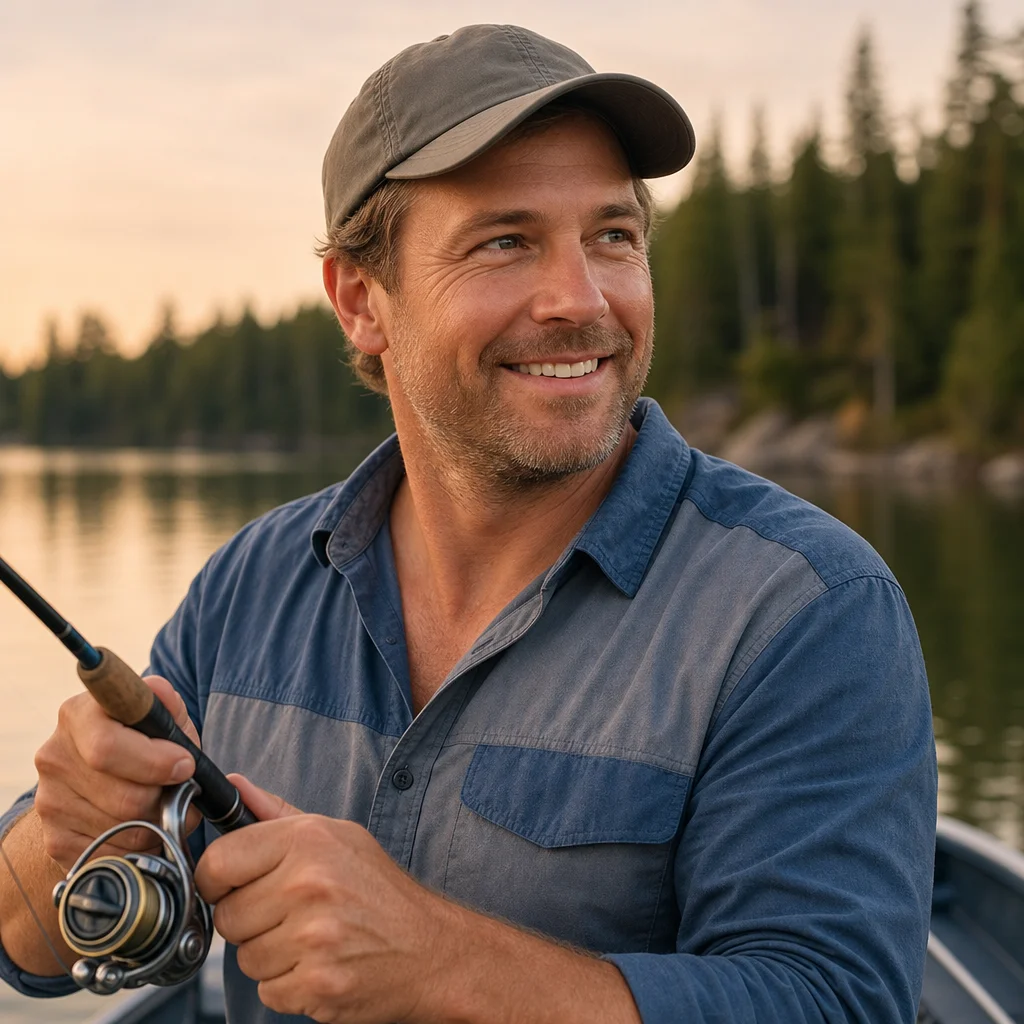
The right fishing line is rarely the one that is “best” in every situation. It’s the one that gives you enough strength, abrasion resistance, casting performance, and lure control for the water in front of you.
When I’m choosing line, I start with the cover—not the species label on the package. Thick weeds demand a different approach than sharp rock, and clear open water often rewards a more subtle setup. Once you match the line to the conditions, choosing a sensible pound-test becomes much easier.
Start with the three main line types
Most freshwater anglers can cover nearly every situation with monofilament, fluorocarbon, braid, and an occasional leader made from one of the first two.
Monofilament: forgiving and useful
Monofilament stretches more than braid or fluorocarbon. That stretch acts like a small shock absorber when a fish surges or when you set the hook a little too enthusiastically. It also floats, which makes it a natural fit for many topwater presentations.
I like monofilament when I want:
- A forgiving line for treble-hook lures
- A floating line for poppers, walking baits, and some shallow presentations
- An economical all-purpose option
- Easier handling on spinning gear, especially for newer anglers
Its main drawbacks are lower sensitivity and less abrasion resistance than fluorocarbon in rough cover. Mono also weakens gradually with sun exposure, nicks, and repeated use, so inspect it regularly.
Fluorocarbon: abrasion resistance and a subtle presentation
Fluorocarbon is denser than water, so it sinks. It has relatively low stretch compared with mono, though it isn't completely stretch-free. It is also valued for abrasion resistance and for being less visible underwater than many other line types.
I generally reach for fluorocarbon when fishing:
- Bottom-contact lures such as jigs, Texas rigs, and Carolina rigs
- Clear water where fish may inspect the line
- Rock, shell, wood, or sparse cover that can nick line
- Moving baits that run below the surface, such as crankbaits or spinnerbaits
Fluorocarbon can be stiff, especially in heavier tests or cold weather. On a spinning reel, a full spool of heavy fluorocarbon can coil and jump off the spool. For many anglers, braid with a fluorocarbon leader is the easier way to get its benefits without fighting line management.
Braid: strength, sensitivity, and cutting power through vegetation
Braided line has a small diameter for its breaking strength and very little stretch. That makes it highly sensitive and excellent for long casts and firm hooksets. It is particularly useful around thick vegetation because it can slice through stems that would stop or weaken mono and fluorocarbon.
Braid is my default choice when I need:
- Strong line with a thin diameter
- Long casts from shore or across open flats
- Immediate contact with a lure in deep water
- A dependable main line for a leader setup
- Power for pulling fish from pads, grass, reeds, or matted vegetation
The tradeoff is that braid is highly visible in clear water, can dig into itself on the spool after a hard pull, and has poor abrasion resistance against sharp rock. It is strong, but strength and abrasion resistance aren't the same thing. A braid-to-fluorocarbon leader is often the best compromise around rocky cover.
Choosing line for weeds and heavy vegetation
Weeds call for line that can handle pressure. A hooked fish may wrap around stems, burrow into grass, or drag a wad of vegetation with it. In that situation, thin line can fail even if the fish itself isn't especially large.
For light weeds, such as scattered grass or soft vegetation, fluorocarbon can work well with Texas-rigged plastics, jigs, spinnerbaits, and similar lures. A 12- to 17-pound fluorocarbon main line is a reasonable starting range for many bass anglers, with the heavier end making sense as cover gets thicker.
For thick grass, lily pads, reeds, and matted vegetation, braid is usually the practical choice. For hollow-body frogs, heavy Texas rigs, punching rigs, and other presentations where you must pull fish up and out, many anglers use 30- to 65-pound braid. The exact choice depends on the density of the cover, rod power, and the size of the fish you expect.
A lighter braid, around 20 to 30 pounds, can be enough for moderately weedy water and casts well on spinning gear. Heavier braid is often easier to manage on baitcasting gear and offers a useful margin when a fish wraps you around cover.
Use braid straight to the lure when the water is dirty, the cover is thick, or the lure itself creates plenty of commotion. A fluorocarbon leader is more useful when the grass is sparse and water clarity makes fish more cautious.
Choosing line for rocks, riprap, and hard bottom
Rocks are tough on line because they create repeated contact points. A line may survive one scrape across a smooth stone but fail after rubbing across sharp riprap, mussel shells, or broken concrete all day.
Fluorocarbon is usually the first line I consider for rocky banks and bottom structure. Its abrasion resistance and sinking nature suit jigs, soft plastics, tube baits, shaky heads, and other lures that spend time near the bottom.
For many general-purpose rocky-water applications, 10- to 15-pound fluorocarbon is a practical range. Move toward 15 to 20 pounds around heavy rock, larger fish, or wood mixed with rock. Drop lighter only when the water is clear, the fish are pressured, and the cover allows it.
Braid can still be part of the setup, especially on a spinning rod. Spool braid as the main line and add a fluorocarbon leader long enough to keep the braid away from the rocks during the retrieve and fight. A leader in the 6- to 15-pound range covers many finesse situations, while heavier leaders suit bigger lures and rougher terrain.
Check the final few feet of line often. Run it between your fingers—not hard enough to cut yourself—and look for whitening, rough spots, flattened sections, or nicks. Retie when you find damage. That small habit saves more lures and fish than searching for a magic knot.
Choosing line for open water
Open water gives you more freedom because line is less likely to scrape against hard cover. Your decision can focus more on casting distance, visibility, lure action, and the hooks on your bait.
Braid is excellent for open-water spinning applications. Its thin diameter casts far, and its sensitivity helps with light jigs, soft plastics, drop-shot rigs, and other finesse techniques. In clear water, add a fluorocarbon leader. In stained water or around aggressive fish, tying directly to braid may be fine.
Fluorocarbon works well for lures that should run beneath the surface. Its sinking tendency can help get a suspending bait a little deeper, keep slack out of a soft-plastic presentation, and maintain contact with a bottom-oriented lure.
Monofilament shines with topwaters and some moving baits. Because it floats and has more give, it can help keep a topwater working correctly and reduce the chance of tearing treble hooks free during a close-range surge. For a walking bait, popper, or prop bait, mono is often a simpler choice than fluorocarbon.
Match the line to the lure and hook style
Cover matters most, but lure design should break any ties.
Topwater lures
Use monofilament or braid. Mono floats and provides forgiveness with treble hooks. Braid floats, casts a long way, and works especially well for frogs or for topwaters around vegetation. Avoid fluorocarbon for most floating topwaters because it sinks and can pull the nose of the lure down.
Treble-hook moving baits
Monofilament is a solid option for crankbaits, jerkbaits, and some spinnerbaits because its stretch can keep fish pinned. Fluorocarbon can also work for diving crankbaits and other subsurface moving lures, particularly around rock. Keep your rod action and drag setting in mind; a stiff rod, tight drag, and no-stretch braid can make it easier to pull trebles loose.
Single-hook soft plastics and jigs
Fluorocarbon is a dependable choice around rock, wood, and sparse vegetation. Braid is better in thick weeds or when fishing long distances where sensitivity and a quick hookset matter. A fluorocarbon leader on braid is a flexible open-water and finesse setup.
Finesse rigs
For drop shots, Ned rigs, small swimbaits, and light jigheads, braid with a fluorocarbon leader is hard to beat. The braid improves casting and bite detection; the leader provides a less conspicuous and more abrasion-resistant connection near the lure.
Pick pound-test by cover, not just fish size
A common mistake is choosing line only by the size of the fish you hope to catch. A three-pound bass in open water can often be handled on relatively light line. The same fish buried in hydrilla may require much heavier tackle.
As a general starting point:
- Open-water finesse: 6- to 10-pound fluorocarbon leader with light braid main line
- General open-water lures: 8- to 15-pound mono or fluorocarbon
- Rock and mixed hard cover: 10- to 20-pound fluorocarbon, or braid with a fluorocarbon leader
- Moderate weeds: 15- to 30-pound braid or 12- to 17-pound fluorocarbon, depending on lure and cover density
- Heavy vegetation and frogs: 30- to 65-pound braid
These are starting points, not hard rules. Heavier line can reduce casting distance and lure action, while lighter line can improve presentation but leaves less room for error. Match it to your rod, reel, lure weight, knot quality, and the cover you actually expect to fish.
Check the rules for the water you’re fishing
If you’re heading to a managed lake, trout stream, or special-regulation water, review the current local rules before rigging up. Some waters set restrictions on hooks, bait, lure types, or other terminal tackle that can affect how you build your setup.
A simple line decision you can make at the bank
If you are standing at the water and unsure what to spool, use this quick approach:
- Thick weeds or pads? Start with braid.
- Sharp rock, shell, or hard bottom? Start with fluorocarbon or a fluorocarbon leader.
- Clear, open water and light lures? Use braid with a fluorocarbon leader.
- Topwater with treble hooks? Use monofilament.
- One rod for mixed conditions? Spool braid and carry fluorocarbon leader material in a couple of practical sizes.
Finally, remember that fresh line and good knots matter as much as the label on the spool. Inspect the line near your lure, retie after hard snags or fish, and adjust when the cover changes. That is usually enough to keep your line working with you instead of becoming part of the story about the one that got away.