What Makes a Good Pair of Wading Pants for Warm-Weather Trout Trips?
A practical guide to choosing breathable wading pants for warm-weather trout fishing, including fit, fabrics, pockets, belts, durability, and when waist-high waders are the right choice.
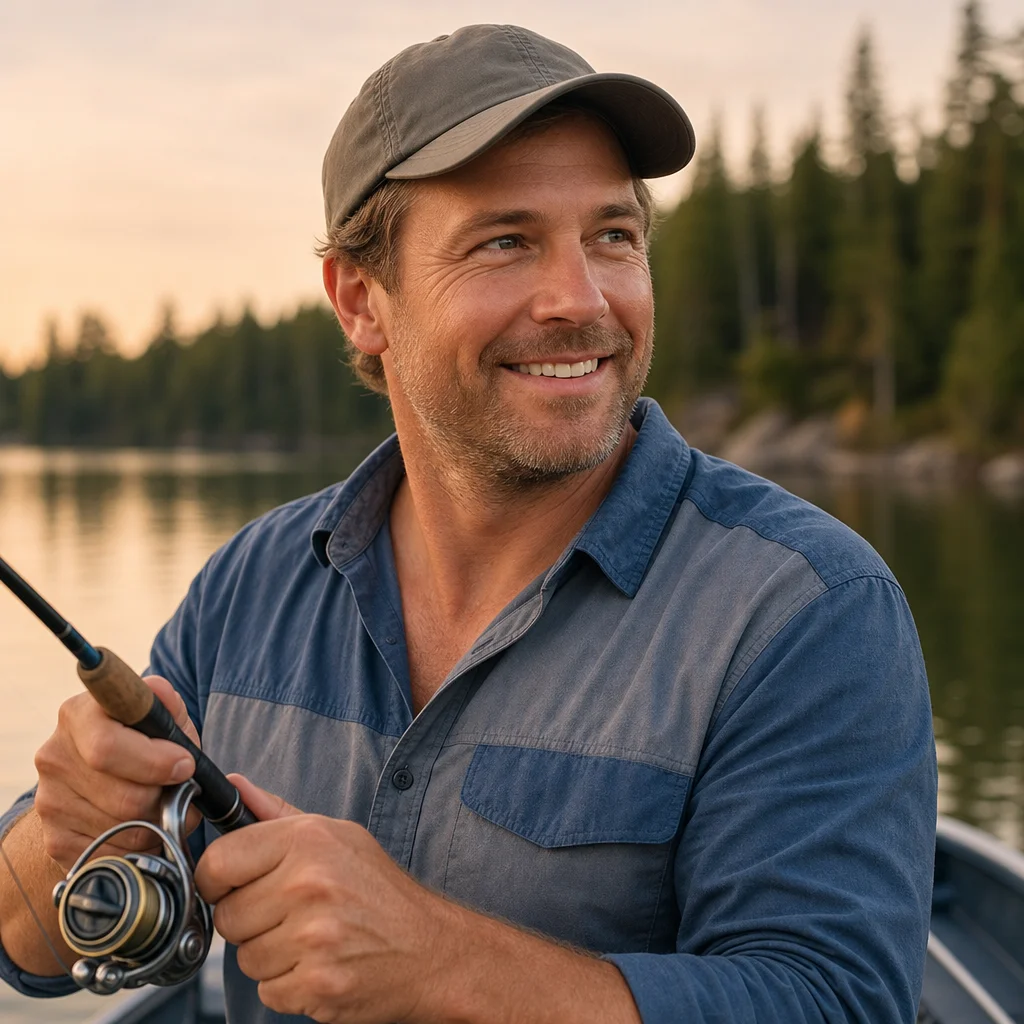
Warm-weather trout fishing often calls for less bulk than a full chest wader. When the water is reasonably shallow and the air is warm, a good pair of wading pants can keep me dry while making the walk, cast, and climb around a stream feel much less cumbersome.
The trick isn't simply buying the lightest pair. Good wading pants need to breathe, fit well enough to move in, hold up against streamside brush and rocks, and work with the boots and layers I already own. Here’s what I look for before choosing a pair.
Start with the conditions you actually fish
Wading pants are waist-high waders, usually with attached neoprene stocking feet. They make the most sense on warm days when I expect to stay in water below the waist most of the time.
They’re especially useful for:
- Small to medium trout streams with mostly knee- to thigh-deep water
- Long walks between access points
- Summer fishing, when chest waders feel overly warm
- Streams where I’ll be climbing banks, stepping over logs, or covering ground
- Trips where packing light matters
They are less useful when deep crossings are likely, when I fish from a float tube or boat where water can come over the waist, or when the water and weather are cold enough that upper-body coverage adds meaningful protection. A waist-high design has an obvious limit: once water reaches the top, it can enter quickly.
Check the water you’ll be stepping into
Before heading out, look at current streamflow, weather, and access conditions for the specific water you plan to fish. Warm air doesn't necessarily mean safe wading; cold tailwater releases, rain-fed flows, and slippery streambeds can change the equation quickly. Follow local fishing rules and any access restrictions as well.
Prioritize breathable fabric over bare-minimum weight
Most quality wading pants use a waterproof-breathable laminate. This material is designed to block outside water while allowing some body moisture to escape. In warm weather, that breathability matters as much as waterproofing.
A lightweight fabric can be excellent for summer, particularly if I’m hiking to small water and carrying little gear. But the thinnest option isn't always the best value. Thin fabric is more vulnerable to punctures from thorns, barbed wire, sharp rocks, and repeated abrasion from brush.
Understand the tradeoff between lightness and toughness
Many wading pants use different fabric weights in different areas. A lighter upper section reduces bulk and heat, while reinforced fabric through the seat, knees, and lower legs handles the places that take the most abuse.
That is usually a sensible design. The seat and knees meet rocks, and the lower legs rub against streamside vegetation and boot laces. Reinforcement in those zones is more useful than a uniformly heavy garment that feels too warm for July fishing.
When comparing fabrics, I focus on these practical questions:
- Is the seat reinforced for sitting on rocks or banks?
- Are the knees protected from abrasion?
- Does the lower leg use a tougher material?
- Are the seams neatly taped and protected where possible?
- Does the material feel flexible enough to take a high step over a log?
A durable water-repellent finish on the outside of the fabric is also helpful. It doesn't make the pants waterproof—the membrane does that—but it helps water bead and run off rather than soaking into the face fabric. When that finish wears down, breathable waders can feel clammy even if they aren't leaking. Cleaning and reapplying a compatible treatment can help restore performance.
Fit matters more than the size label
Wading pants need enough room for movement and for a light layer underneath, but excess material can snag on brush and bunch inside boots. Sizing charts are a starting point, not a guarantee.
I’d pay attention to waist, inseam, and foot size rather than assuming regular pants size will translate perfectly. The most comfortable pair lets you squat, bend, step onto a high rock, and sit down without pulling at the crotch or tightening across the knees.
Try them on with your fishing layers
For warm-weather trips, I usually expect to wear lightweight synthetic pants or shorts beneath wading pants, depending on comfort and the conditions. Avoid cotton underneath when possible. Cotton holds moisture and can feel cold and uncomfortable after sweat or an unexpected splash.
When trying on wading pants, wear the kind of layers and socks you’ll use on the stream. Then put on your wading boots if you can. This reveals problems that are easy to miss in a fitting room, such as cramped stocking feet, loose ankles, or too much fabric around the lower leg.
A good fit should provide:
- Enough room to layer lightly without binding
- A natural stride when walking
- No tight pull across the knees or seat when crouching
- Stocking feet that match your actual foot size
- Minimal loose material around the ankles and boot tops
Don’t buy oversized pants simply because loose feels comfortable while standing still. Excess fabric can make long walks awkward and can create folds that rub inside a boot.
Treat the belt system as essential equipment
A wading belt is more than a way to keep wading pants from sliding down. It helps keep the pants close to the body and can slow the movement of water if I stumble or take an unexpected dunking.
Most wading pants include either an integrated belt or belt loops with a removable belt. Either approach can work well, provided the belt is wide enough to stay comfortable and the buckle is easy to use with cold or wet hands.
An integrated belt is convenient because it is hard to forget and generally stays in place. A separate belt can be easier to replace and may offer more flexibility if I use a belt-mounted net holster, bottle holder, or small pack.
Whatever style I choose, I want a belt that sits securely at the waist without digging in. I also avoid hanging too much weight from it. A heavy belt loaded with tools, water, and tackle can pull down lightweight wading pants and make walking less comfortable.
Choose pockets for the way you carry gear
Pockets are useful, but giant pockets aren't automatically better. Anything stored inside them can get in the way when I wade, bend, or climb a bank.
A simple zippered chest-height or upper-waist pocket is handy for small items that need to stay dry, such as a phone, vehicle keys, a license holder, or a compact fly box. Some wading pants also have handwarmer pockets or exterior attachment points for small tools.
For most trout fishing, I prefer to keep the main load in a sling pack, hip pack, or vest and use the pants’ pockets for a few essentials. That keeps the pants lighter and makes it easier to access gear without digging around at my waist.
Look closely at pocket closures. Water-resistant zippers and flap closures can help, but no pocket should be assumed to be fully waterproof unless the manufacturer specifically says so. A small dry pouch remains cheap insurance for electronics and car keys.
Look closely at the lower legs and stocking feet
The lower portion of wading pants does a lot of work. It has to connect comfortably to the boot, resist wear, and keep gravel from working its way inside.
Gravel guards are worth having
Built-in gravel guards wrap around the top of the wading boot and help keep sand, pebbles, and debris out. They also protect the lower leg from some abrasion. A secure hook that attaches to the boot laces is a small feature, but I notice it quickly when it is missing or poorly designed.
The guard should fit snugly without pulling tightly against the boot. If it rides up every few minutes, it will become one more irritation on a day that should be about watching the next seam and enjoying the drift.
Match stocking feet to your boots
Neoprene stocking feet add bulk inside a wading boot. If your boots already fit closely, trying to force a new pair of wading pants into them can lead to pinched toes and poor circulation.
Bring your boots when testing waders whenever possible. If that isn't practical, check the boot manufacturer’s guidance and leave enough room for the stocking foot plus appropriate socks. A little extra room is better than a painfully tight fit, but boots that are far too large can reduce stability on uneven rocks.
Don’t overlook seam quality and repairability
Leaks often begin at seams, high-wear areas, or small punctures—not necessarily because the entire fabric has failed. Inspect the inside of the pants for clean, fully applied seam tape, especially around the crotch, inseam, and stocking-foot connection.
Repairability is worth considering before the first leak happens. Small punctures are a normal part of fishing hard around rocks and brush. A pair of wading pants that can be patched easily at home is usually more valuable than one that becomes unusable after a minor snag.
I’d also check the warranty and repair process, not because a warranty prevents damage, but because it tells you whether the company has a realistic plan for dealing with defects or service needs. Keep expectations grounded: wear from regular use, punctures, and abrasion may not be treated the same way as a manufacturing problem.
When lighter wading pants are the better choice
A lightweight pair is often the best option when comfort and mobility matter more than all-season insulation. On a hot day, less material can mean less fatigue during a long hike and fewer reasons to quit early just because the gear feels swampy.
But “lightweight” should mean thoughtfully built, not flimsy. For occasional fishing on open, gentle streams, a basic breathable pair may be enough. For frequent use on brushy freestone creeks or rocky rivers, reinforced knees, seat, and lower legs are money well spent.
If I fish a mix of water types, I’d rather own one durable, breathable pair that fits well than chase the absolute lightest model available. A comfortable pair of wading pants encourages better decisions: I can walk farther, move more carefully, and focus on the water instead of fighting my gear.
Make the final choice with your usual trip in mind
For warm-weather trout trips, a good pair of wading pants should be breathable, mobile, and tough where it counts. Start with the depth and temperature of the streams you fish, then narrow the field by fit, reinforcement, belt design, pocket layout, and compatibility with your boots.
Try them with the layers and boots you already use. Practice adjusting the belt and gravel guards at home. Then carry a small repair kit in your pack and save the first serious test for a familiar stretch of water—not the far side of a fast, unfamiliar river.
The right pair won’t make every crossing easy, but it will keep your attention where it belongs: on safe footing, a clean drift, and the next likely trout lie.