How to Share a Shoreline With Anglers You Don't Know
Practical etiquette for spacing, casting lanes, moving along a bank, communicating, and handling crowded access without creating conflict.
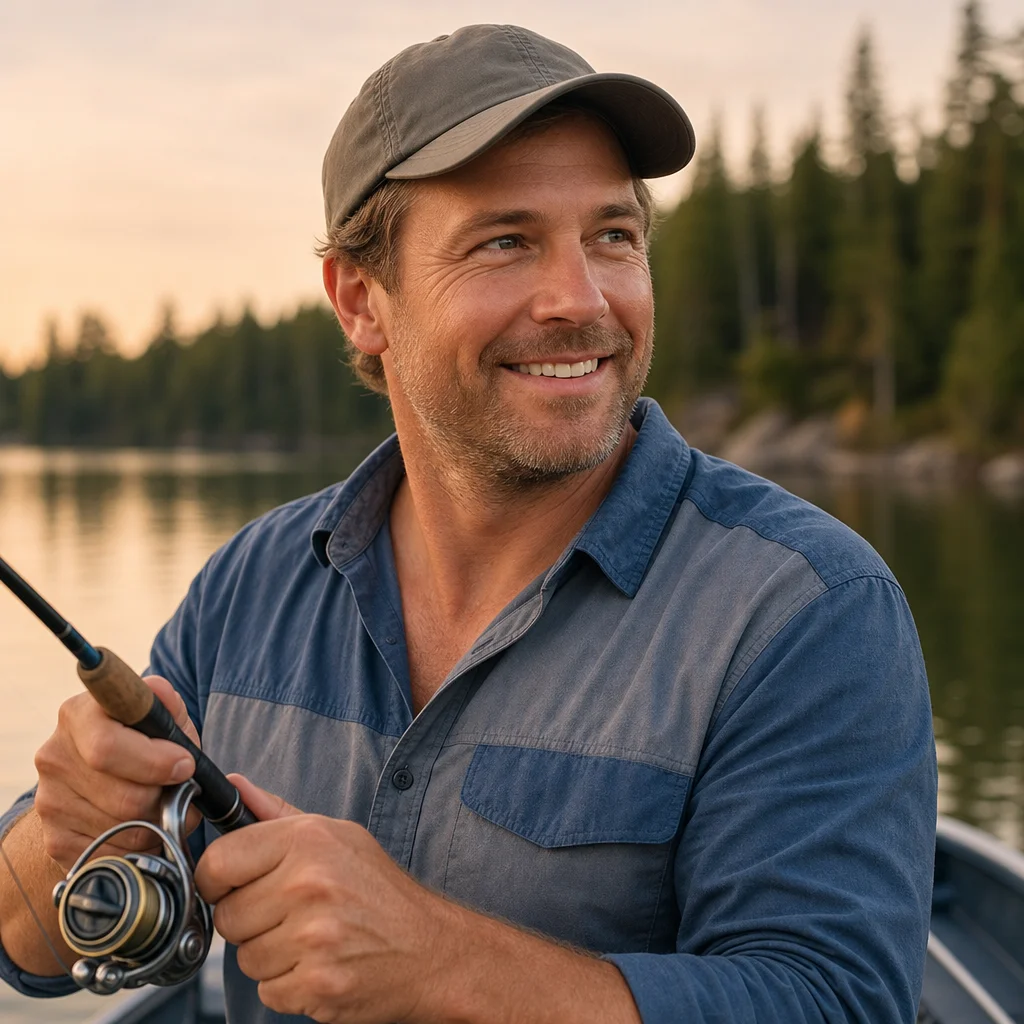
A busy shoreline can test anyone’s patience. You may have driven out before daylight, carried a cooler and a tackle bag down a steep bank, and found the only open-looking spot is a little closer to another angler than you’d prefer.
The good news is that most shoreline tension is avoidable. A little space, a quick question, and attention to where your cast will land go a long way. I think of bank etiquette as protecting three things for everyone nearby: room to fish, a safe casting lane, and a quiet enough atmosphere to enjoy the day.
Start by reading the shoreline
Before setting down your gear, spend a minute watching the water and the people already fishing. Look for:
- The direction each angler is casting
- Whether they are using bobbers, bottom rigs, lures, or fly tackle
- Obvious structure, such as docks, points, brush, or a creek mouth, that may be drawing casts
- Paths people are using to walk the bank, launch boats, or reach the water
- Families, kids, or anglers who may need extra room to cast
This quick read helps you avoid the most common mistake: choosing an empty patch of bank that happens to sit directly in somebody else’s casting lane.
An angler throwing a crankbait or spinner may cover a wide fan of water. Someone soaking bait may have lines spread along the bottom. A fly angler needs room behind them as well as in front. Open bank doesn't always mean open water.
Give people more room than you think they need
There is no universal number of feet that works on every shoreline. Bank shape, cover, water clarity, target species, and casting styles all matter. Still, when space is available, I’d rather leave a generous gap than squeeze in and hope it works out.
As a practical rule, choose a spot where your normal cast can stay out of the other person’s water. If either of you must deliberately cast away from the best-looking water to avoid crossing lines, the gap is probably too tight.
Spacing matters especially when anglers are:
- Casting and retrieving lures repeatedly
- Fishing a narrow channel, culvert, dock edge, or point
- Using long rods or fly rods
- Fishing with children or newcomers
- Landing larger fish with a net
- Fishing after dark, when it is harder to see lines and backcasts
If a shoreline is wide open, avoid setting up immediately beside the only other person there. Even if you technically have plenty of room, most anglers appreciate a little breathing room.
Ask before you set up nearby
A simple question can prevent a long, awkward morning. You don't need a formal speech. Try something like:
- “Mind if I fish down this way?”
- “Are you working that whole stretch, or is this spot okay?”
- “Which direction are you casting? I’ll stay out of your lane.”
- “Would you rather I pass behind you or along the water’s edge?”
This is particularly helpful when the best access runs through a narrow strip of bank. It tells the other angler that you see them and intend to be considerate.
If they say they are moving soon, don't assume that means you can crowd their current spot or begin casting across their lines. Let them move first, then take the opening. If they ask for a little more space than you expected, it is usually easier to find another spot than to argue over a few yards of shoreline.
Respect casting lanes, not just physical space
Two anglers can stand far apart and still interfere with each other if they cast into the same water. Think of each person’s cast as creating a lane that includes the path of the lure or bait, the water it occupies, and the route used to retrieve or land a fish.
When fishing beside someone, cast in a direction that keeps your line separate from theirs. On a straight bank, that often means each angler works the water in front of them or angles slightly away from the other person. On a point or a narrow cove, it may mean taking turns casting toward a shared piece of structure.
Pay attention to drift, too. Wind and current can push floats, loose line, and lightweight lures sideways. A cast that starts clear can drift into another angler’s water a few minutes later.
If your line crosses someone else’s line, don't reel hard and hope for the best. Stop, let them know, and calmly work out which line is over or under. A quick “I think I crossed you—want to bring yours in while I back mine out?” is usually all it takes.
Avoid leapfrogging someone’s productive water
“Leapfrogging” is moving ahead of another angler and fishing water they are clearly working their way toward. It is especially frustrating on rivers, trout streams, beaches, and long banks where people are intentionally covering water one section at a time.
If someone is steadily casting, taking a few steps, and casting again, they are probably moving through that stretch. Don't walk around them and begin fishing just ahead unless they say it is fine.
Instead, ask whether they are working upstream, downstream, or along the shore. If so, either stay behind at a respectful distance or move far enough ahead that you aren't cutting them off.
Moving past other anglers without causing trouble
At some access sites, walking past another person is unavoidable. Keep your rod tip low, watch for lines near the bank, and move quietly. If there is room, pass behind them rather than between them and the water.
When you need to pass close by:
- Get their attention before walking through the area.
- Ask which route they prefer.
- Wait for them to finish a cast or retrieve if needed.
- Keep your own hooks, lures, and rod clear of them.
- Move through without stopping to inspect the water or cast halfway past them.
Wading requires extra care. Walking through shallow water can muddy the bank, spook fish, and send waves through a spot someone is fishing. If you must enter, do it well away from active anglers whenever possible.
Share limited access fairly
Public fishing access is shared access. A person who arrives first generally has the first choice of the spot they are actively using, but that doesn't mean they own an entire lake, pier, or public bank.
Likewise, a late arrival shouldn't expect prime water to open up simply because it looks good. On a crowded day, the sensible approach is to adjust: fish a less obvious stretch, use a shorter casting range, try a different presentation, or return at a quieter time.
On small piers, docks, and compact pond banks, keep your footprint modest. Consolidate tackle, avoid blocking paths, and don't spread rods, chairs, coolers, or carts across shared walkways. If you are running several rods where they are allowed, make sure they don't claim more space than you can reasonably manage.
Check the rules for the water you’re sharing
Before settling into a crowded pier, dam, park pond, or access trail, check the current site rules. Local agencies and property managers may set limits on fishing areas, hours, rod numbers, wading, parking, or access around launches and dams. Rules can change, so use the managing agency’s current signs or website rather than relying on an old tip.
Keep conversation friendly and useful
You don't have to become fishing buddies with everyone on the bank. A brief greeting is often enough. Still, calm communication is one of the best tools available when a problem comes up.
If someone’s cast is repeatedly coming into your space, start with a neutral observation rather than an accusation:
- “I think our lines are getting pretty close.”
- “Would you mind angling a little that way? My rig is drifting over here.”
- “I’m going to cast toward the point, so I’ll stay clear of your side.”
Be specific about the issue and offer a workable adjustment. That is much more likely to help than announcing that someone is “fishing wrong.”
It also helps to assume an honest mistake first. New anglers may not recognize a casting lane, and experienced anglers can misjudge distance in wind, glare, or low light. A polite reminder is often all that is needed.
Handle conflicts without escalating them
Sometimes a person will crowd you, cast over your line, play loud music, leave trash, or respond poorly to a reasonable request. You can protect your day without matching their behavior.
First, state the concern plainly and calmly. If the issue continues, the best move is often to relocate if you safely can. It may feel unfair, but losing a few minutes is usually better than losing the whole outing to an argument.
Don't touch another person’s gear, cut their line, cast into their area in retaliation, or block their access. Those choices turn a fishing etiquette problem into something bigger.
If there is a serious safety issue, harassment, a threat, or a clear violation at a managed site, contact the appropriate on-site staff, property manager, or local authorities. Give them space rather than trying to enforce rules yourself.
Leave the shoreline easier to share
Good shoreline etiquette continues after the last cast. Pick up line scraps, bait containers, drink cans, and any small bits of tackle near your spot. Discarded fishing line is especially harmful to wildlife and a headache for the next angler.
Before leaving, check the ground for hooks, soft-plastic packaging, and split-shot. If you used a gate, trail, dock, or narrow path, leave it clear for the next person. A clean, open bank makes crowded access feel less crowded.
Make the next cast the considerate one
When I fish around strangers, I try to make a few decisions early: give room where I can, ask when I can't, and keep my casts out of someone else’s water. Those habits work whether I am at a neighborhood pond, a public reservoir, or a busy river access.
On your next trip, pause before claiming a spot. Watch the casting lanes, introduce yourself if you will be nearby, and keep your gear compact. You may not control how crowded the shoreline is, but you can make sure you aren't the reason it becomes harder to fish.