What to Ask Before Booking Your First Guided Fishing Trip
A beginner-friendly checklist of questions to ask a fishing guide before booking, covering species, equipment, licenses, access, weather, cancellations, fish handling, and what to bring.
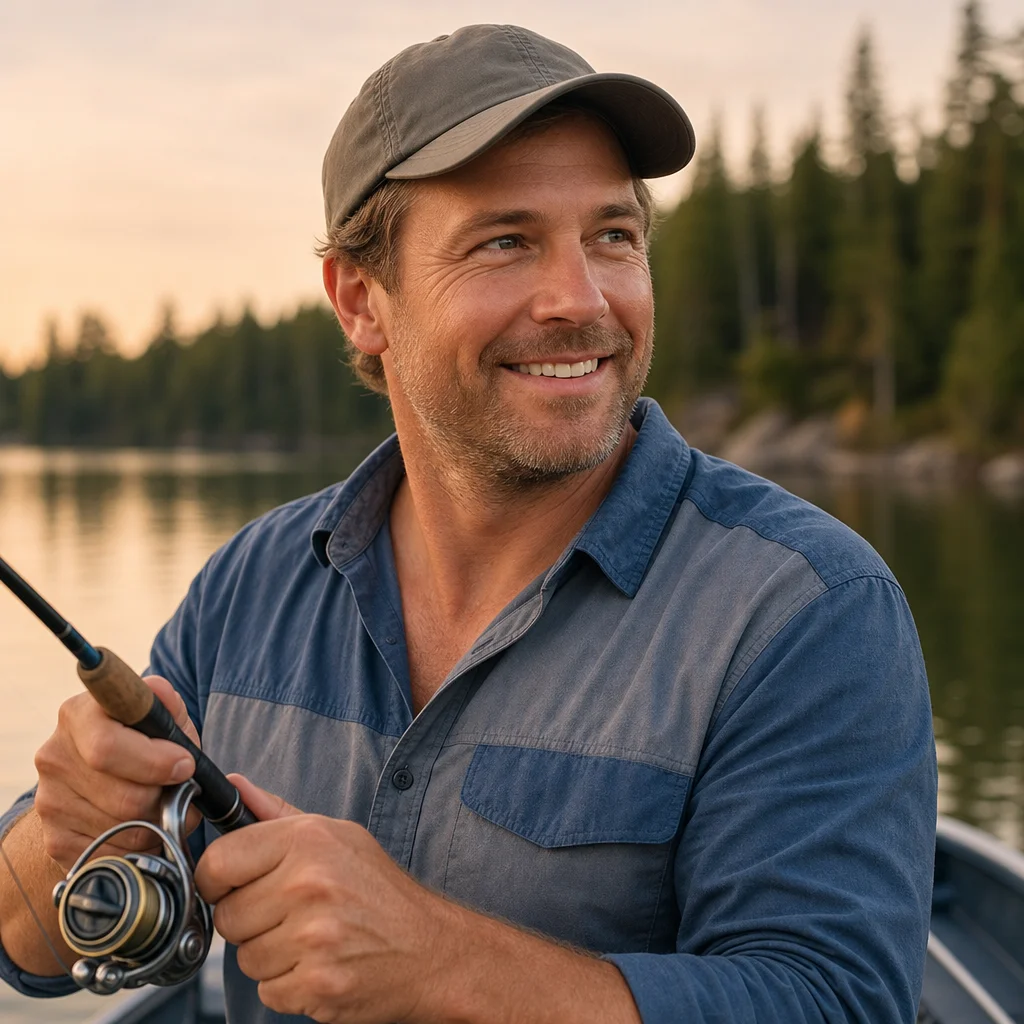
A guided trip can shorten the learning curve in a hurry. You get local knowledge, a boat or access plan, and someone who can help you spend more time fishing than guessing. But not every guide, trip format, or fishery is a good fit for a first outing.
I like to ask a few straightforward questions before I put down a deposit. The answers tell me what the day will really look like, what I need to prepare for, and whether the guide’s approach matches what I want from the trip.
Start With the Fishing You Actually Want to Do
A guide may be excellent at catching a particular species, but that doesn’t automatically mean every trip is built around that fish. Seasonal patterns, water conditions, and local regulations can shape the plan more than an online photo gallery suggests.
Ask these questions first:
- What species are realistically available on my date?
- What is the usual plan for that time of year?
- Will we target one species or fish for whatever is biting best?
- What techniques will we use? For example, trolling, casting lures, live bait, fly fishing, jigging, bottom fishing, or drifting.
- How physically demanding is the trip? Ask about standing, casting, wading, climbing in and out of a boat, or walking uneven banks.
There’s nothing wrong with a flexible “let’s catch what’s available” trip, especially for a beginner. Still, it helps to know whether you are booking a focused smallmouth bass day, a mixed-bag inshore outing, or a chance at a specific fish that may not cooperate.
A good question is: “If conditions aren’t right for the main target, what is Plan B?” That answer often reveals how adaptable the guide is.
Ask What Experience Level the Trip Is Designed For
“Beginner-friendly” can mean different things. One guide may happily teach knots, casting, and fish handling from the ground up. Another may welcome beginners but expect clients to arrive ready to cast all day.
Be honest about your starting point. Tell the guide whether you have never held a rod, have fished from shore a few times, or are comfortable casting but new to boats or a certain technique.
Ask:
- Do you regularly guide first-time anglers?
- Will you provide instruction on casting, rigging, and setting the hook?
- How much hands-on help do you typically provide?
- Is there an age minimum or recommended age for children?
- Is the trip suitable for someone with mobility concerns or limited boating experience?
I’d rather have this conversation early than spend the first hour feeling rushed while everyone else is already fishing. A guide who welcomes questions can make a first trip much more enjoyable.
Find Out Exactly What Equipment Is Included
Most guides provide rods, reels, terminal tackle, bait, and lures. “Most” isn't the same as “all,” though, and specialty trips can be different.
Ask for a clear rundown of what the guide supplies and what you need to bring. Useful questions include:
- Are rods, reels, tackle, bait, and lures included?
- Is there an extra charge for premium gear, live bait, flies, or specialty tackle?
- Can I bring my own rod, and is it practical for the planned technique?
- Are life jackets provided, including properly sized jackets for children?
- Is drinking water included?
- Does the boat have shade, a restroom, or storage for bags and coolers?
If you own gear and want to use it, ask before hauling it along. On a compact boat, extra rods can become tangled clutter. The guide’s equipment is usually matched to the fishery, and using it may let you focus on learning rather than troubleshooting your own setup.
Clarify the Price, Deposit, and Cancellation Terms
The advertised trip rate is only the starting point. Ask for the total expected cost, including anything that may be added later.
Get answers to these questions in writing if possible:
- Is the quoted rate per person, per boat, or for a group of a certain size?
- How many anglers can fish comfortably?
- What deposit is required, and when is the remaining balance due?
- Which payment methods are accepted?
- Are bait, fuel, launch fees, park entry, or equipment rental included?
- Is a gratuity expected or customary?
- What happens if I cancel, arrive late, or need to reschedule?
- What happens if the guide cancels because of weather, mechanical trouble, or another issue?
Cancellation policies vary widely. Some guides can move you to another date; others may retain a deposit if they can’t refill the date. The important part is knowing the policy before you book, not after your plans change.
Check the trip’s current terms before you commit. Confirm the total price, deposit, cancellation deadline, weather policy, and any added fees directly with the guide. These details can change by season, location, and trip type.
Confirm Licenses, Permits, and Access Details
Licensing is one of the easiest details to overlook. On some charter trips, the captain’s license covers passengers. On many freshwater guided trips, each angler needs their own fishing license. Extra stamps, tags, or permits may apply for certain waters or species.
Ask:
- Do I need to buy my own fishing license?
- Are any special permits, stamps, harvest tags, or tribal permits required?
- Does the trip cross state lines or fish waters with separate licensing rules?
- Where do we meet, and is there parking or a launch fee?
- Will I need a vehicle pass, gate code, shuttle, or walk to the pickup point?
- What time should I arrive, and how early should I plan to be there?
Don’t assume a license purchased for one state, river section, or saltwater zone applies everywhere you might fish that day.
Verify your license for the exact water you’ll fish. Ask the guide where the trip will launch and fish, then check the current licensing and permit requirements with the relevant state, provincial, tribal, or local fish and wildlife authority. Rules, seasons, and possession limits can change.
Talk Through Weather, Water Conditions, and Safety
Weather affects comfort, but it can also decide whether a trip happens at all. Wind, lightning, heat, cold, fog, rough water, high flows, and low water can all change the plan.
Ask the guide:
- What weather conditions normally lead to a cancellation or shortened trip?
- Who makes the final call on whether it is safe to go?
- When will I be contacted if weather changes the plan?
- Is there a sheltered-water or land-based alternative?
- What clothing works best for the season and type of fishing?
- What safety equipment is carried on the boat or included with the trip?
A responsible guide may cancel a day that looks perfectly fishable from your kitchen window. Conditions at the launch or on open water can be very different. I see that as good judgment, not a disappointment worth arguing about.
For your part, bring sun protection, suitable layers, and secure footwear. Avoid loose sandals on a wet boat deck unless the guide specifically says they are appropriate. If you are prone to motion sickness, ask about the likely ride and speak with a qualified healthcare professional about options before the trip.
Ask How the Guide Handles Fish and Harvest
Not every angler has the same goal. Some want a photo and a clean release. Others hope to bring home fish for dinner. A quick conversation prevents awkward surprises.
Ask:
- Is this primarily catch-and-release fishing, harvest fishing, or a mix?
- Which fish, if any, are commonly kept?
- Can the guide clean and package legal harvest?
- Is there a cleaning fee or cooler requirement?
- How do you handle fish intended for release?
- Can I take photos, and will you help with a safe, quick photo?
If releasing fish matters to you, say so. A careful guide should be able to explain how they minimize handling time and protect the fish. If keeping fish matters to you, ask what is realistic and legal rather than assuming every catch goes in the cooler.
Know What You Need to Bring
Your guide should provide a packing list, but it is worth confirming the basics. The right items depend on whether you will be on a bass boat, wading a river, walking a beach, or heading offshore.
For many trips, a sensible starter list includes:
- Required fishing license and photo identification
- Weather-appropriate clothing in layers
- Hat, polarized sunglasses, and sunscreen
- Rain jacket or windproof outer layer
- Closed-toe, non-slip footwear
- Food or snacks, if they aren't provided
- Any needed medication
- A small cooler for legal harvest, if the guide recommends one
- A phone or camera in a waterproof case or dry bag
Ask whether you should bring a lunch, whether there is room for a cooler, and whether alcohol is allowed. A small bag is usually better than a pile of loose gear.
Get the Day’s Logistics in One Simple Message
A day or two before the trip, send a brief confirmation message. It isn't overthinking it; it is how you avoid showing up at the wrong ramp without a rain jacket.
Confirm the meeting location, arrival time, expected return time, number of people in your group, what you are bringing, and whether the guide has seen any changes in weather or water conditions. Save the guide’s phone number and directions before you leave home, since cell service can be unreliable near remote launches.
Make Your First Trip About Learning, Not Just Catching
Fish can be unpredictable, even with a skilled guide and good conditions. The value of a first guided trip isn't limited to the number of fish caught. Pay attention to why the guide chooses a spot, lure, depth, retrieve, or drift. Ask questions during slower stretches, and let them know what you would like to learn.
Before booking, make sure you understand the target species, trip style, included gear, total cost, license needs, weather plan, fish-handling approach, and packing list. With those basics sorted out, you can arrive prepared, relax a little, and enjoy the part that matters most: being on the water with a line in the water.