How to Organize Tackle for a One-Day Shore Trip
A practical packing system for shore anglers who want enough tackle for a productive day without hauling a heavy, disorganized load to the bank.
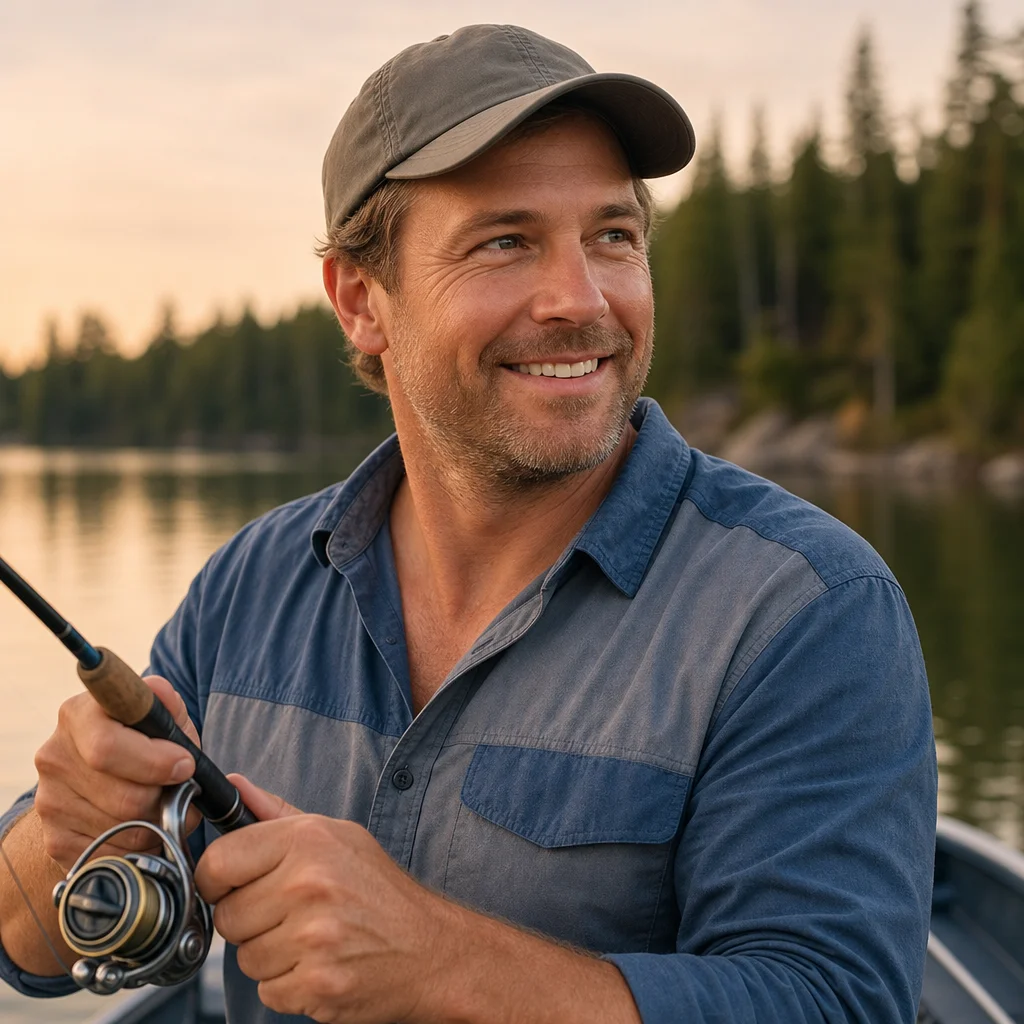
A one-day shore trip is easier when every piece of tackle has a job. The problem isn’t usually having too little gear—it’s bringing too much of the wrong gear, then digging through a heavy bag while the bite is happening.
I like to build a shore kit around the water I expect to fish, the species I’m targeting, and a few realistic changes in conditions. The goal isn't to cover every fishing situation imaginable. It’s to carry a compact setup that lets me change presentations, replace lost terminal tackle, and keep fishing without turning a walk to the bank into a moving day.
Start With a Simple Plan for the Water
Before loading boxes, narrow the trip down with a few questions:
- What species am I most likely to catch?
- Is the water fresh or saltwater?
- Will I fish shallow cover, open water, current, rocks, a dock, or a beach?
- What will the weather and water conditions likely be?
- How far will I need to walk from the vehicle?
Those answers should control the tackle list. A pond bass trip calls for a different selection than a river catfish outing or a day of surf fishing. Trying to build one universal box usually creates a heavy collection of items that don’t fit the day.
I find it useful to choose a primary approach and one backup approach. For example, an angler targeting bass from a pond bank might plan to fish a soft plastic around cover, with a small moving bait ready if fish are active. A river angler might bring a bottom rig as the main plan and a float rig as the alternative.
That gives you options without sending you down the “just one more box” path.
Use One Main Tackle Box and One Small Utility Case
For most one-day trips, a medium utility box plus a small terminal-tackle case is plenty. A backpack, sling pack, or shoulder bag can hold both, along with tools, water, and a rain layer if needed.
The main box is for lures or larger rigs. The small case is for the pieces that keep you fishing after a breakoff: hooks, weights, swivels, snaps, beads, and leader material.
Organize the main box by lure family
Rather than mixing every lure type together, give each section a purpose. Depending on the trip, that might look like this:
- Soft plastics: a few proven shapes and colors, plus matching hooks or jigheads
- Moving baits: a small selection of spinnerbaits, bladed jigs, spoons, or crankbaits
- Topwater or shallow option: one or two choices for low light or active fish
- Finesse option: small jigs, worms, grubs, or other slower presentations
- Species-specific lures: such as inline spinners for trout or metal spoons for bluefish
Keep quantities modest. Two or three dependable colors are generally more useful than a dozen variations. Natural, dark, and bright or high-visibility colors make a sensible starting group when conditions are uncertain.
For hard baits, choose different actions or depths rather than near-duplicates. One shallow-running lure, one mid-depth option, and one lure that can cover water quickly will usually do more for you than several baits that all run the same way.
Build the terminal case around replacement needs
Terminal tackle is what turns a minor snag or damaged rig into a short interruption instead of the end of the trip. The exact contents will vary, but a compact case can include:
- Hooks in two or three sizes suited to your target fish
- A limited range of sinker or jighead weights
- A few swivels and snaps, if they fit your rigs
- Bobber stops, beads, or floats when applicable
- A small spool of leader material
- A few pre-tied leaders or rigs for quick changes
For weights, carry a range that matches the current, wind, and casting distance you expect. There’s no need to bring every size made. A light, medium, and heavier option is often enough for a short trip.
If you fish bait rigs, pre-tying a few leaders at home is one of the best ways to save time. Wind, cold fingers, and fading daylight are all poor assistants when it’s time to tie a complicated rig from scratch.
Pack by Confidence, Not by Possibility
A compact kit should lean heavily on tackle you know how to fish. There’s nothing wrong with bringing one experimental lure, but a day at the bank isn't the best time to carry six new techniques you haven’t used before.
I’d rather bring:
- Two or three presentations I can fish well
- Enough terminal tackle to recover from snags and breakoffs
- One backup option for a change in weather, water clarity, or fish activity
Than a large collection of lures that all require different rods, retrieve styles, or rigging systems.
This approach also helps with rod selection. One versatile rod can handle many shore trips, especially when paired with a reel and line appropriate for the target species. If you bring a second rod, make it serve a distinct purpose: perhaps one rod for a light finesse rig and another for a heavier lure or bottom setup.
Keep Tools Where You Can Reach Them
The most useful tools shouldn't be buried under tackle boxes. Put them in an outer pocket, attached to a lanyard, or in a small organizer where you can reach them quickly.
A practical shore tool kit includes:
- Needle-nose pliers or forceps for hook removal
- Line cutters or compact scissors
- A hook sharpener, if you use one
- A small measuring device when you need to identify a legal keeper
- A small towel or rag
- A few bandages in a basic first-aid pouch
For hook removal, long-handled pliers are particularly useful when fish have teeth or when a hook is set deep enough that keeping your hands clear matters. Replace rusty tools before the trip; a pair of pliers that won’t open is dead weight.
A small trash bag is worth carrying too. It takes almost no room and gives you a place for used line, bait packaging, broken soft plastics, and other scraps. Loose line on the shore is bad for wildlife and frustrating for the next person trying to fish the spot.
Make Backups Small and Specific
Backups are essential, but they should be targeted. Think about what is most likely to fail or get lost during the day.
For many shore anglers, that means:
- A spare leader spool or pre-tied leader
- Extra hooks and weights
- A few replacement soft plastics
- One backup lure for the presentation you expect to use most
- A spare snap or swivel if your setup depends on one
You usually don't need a complete duplicate of everything. If a certain lure gets bit well, carrying one replacement makes sense. Carrying five additional colors of that same lure often doesn't.
If you use a baitcasting or spinning setup with a history of line trouble, check the line before you leave. Removing a few feet of damaged line at home is much easier than discovering a weak spot after the first good fish of the day.
Match Your Tackle to the Walk In
The farther you walk, the more every unnecessary item matters. A short walk to a pond may allow for a modest backpack and a folding chair. A long hike along a river or beach calls for a lighter, more mobile setup.
For a walk-in trip, I’d prioritize:
- One versatile rod, or two only if they cover clearly different techniques.
- One main tackle box.
- One small terminal-tackle case.
- Essential tools in an accessible pocket.
- Water, sun protection, and weather protection appropriate to the outing.
A bag that stays organized during the day is better than a larger bag with more capacity. Use pockets consistently: tools in one spot, terminal tackle in another, food and water away from lure boxes, and wet or dirty items separated when possible.
Do a Five-Minute Check Before Leaving
A quick final check prevents many avoidable problems. Open the bag and ask whether you can handle the basics: cast, re-rig, unhook a fish, cut line, measure a fish if necessary, and pack out your trash.
Then check the small things that can ruin an otherwise good trip:
- Is the reel spooled with usable line?
- Are your hooks sharp and free of rust?
- Do you have the right license or proof of license, where required?
- Are your intended baits, hooks, and target fish allowed at that water?
- Is your phone charged if you use it for maps, weather, or regulations?
Before you fish that shoreline: Check the current rules for the specific water you’ll fish. Seasons, bag and size limits, bait restrictions, access rules, and special hook requirements can differ by state, waterbody, and even by section of the same river or coast. Your state wildlife agency or local managing authority is the best source for the current regulations.
A Compact Example Loadout
For a general freshwater shore trip targeting bass, panfish, and other common warmwater fish, a compact loadout could include one medium spinning rod, a small box of soft plastics and a handful of moving baits, and a terminal case with hooks, jigheads, split shot, bullet weights, and swivels.
Add pliers, cutters, leader material, a towel, a measuring device, water, and a trash bag. That setup leaves room to adjust while staying light enough to move along the bank and try several spots.
The same principle applies to other kinds of shore fishing: choose a few proven presentations, bring the hardware to repair them, and leave the rest at home.
Keep the Bank Bag Working for You
The best one-day shore kit isn't the largest one. It’s the one that lets you make a clean cast, change quickly after a snag, and move to the next promising piece of water without feeling overloaded.
Start with a main plan, pack a backup presentation, and carry only the terminal tackle needed to keep both working. After each trip, remove damaged lures, restock what you used, and make a note of anything that stayed untouched. Over a few outings, your tackle bag will become smaller, better organized, and much more useful when the bite is on.