How to Choose Sunglasses for Sight-Fishing in Shallow Saltwater
A practical guide to selecting polarized sunglasses for spotting fish on Florida and Gulf Coast flats, including lens color, fit, glare control, eye protection, and changing-light limitations.
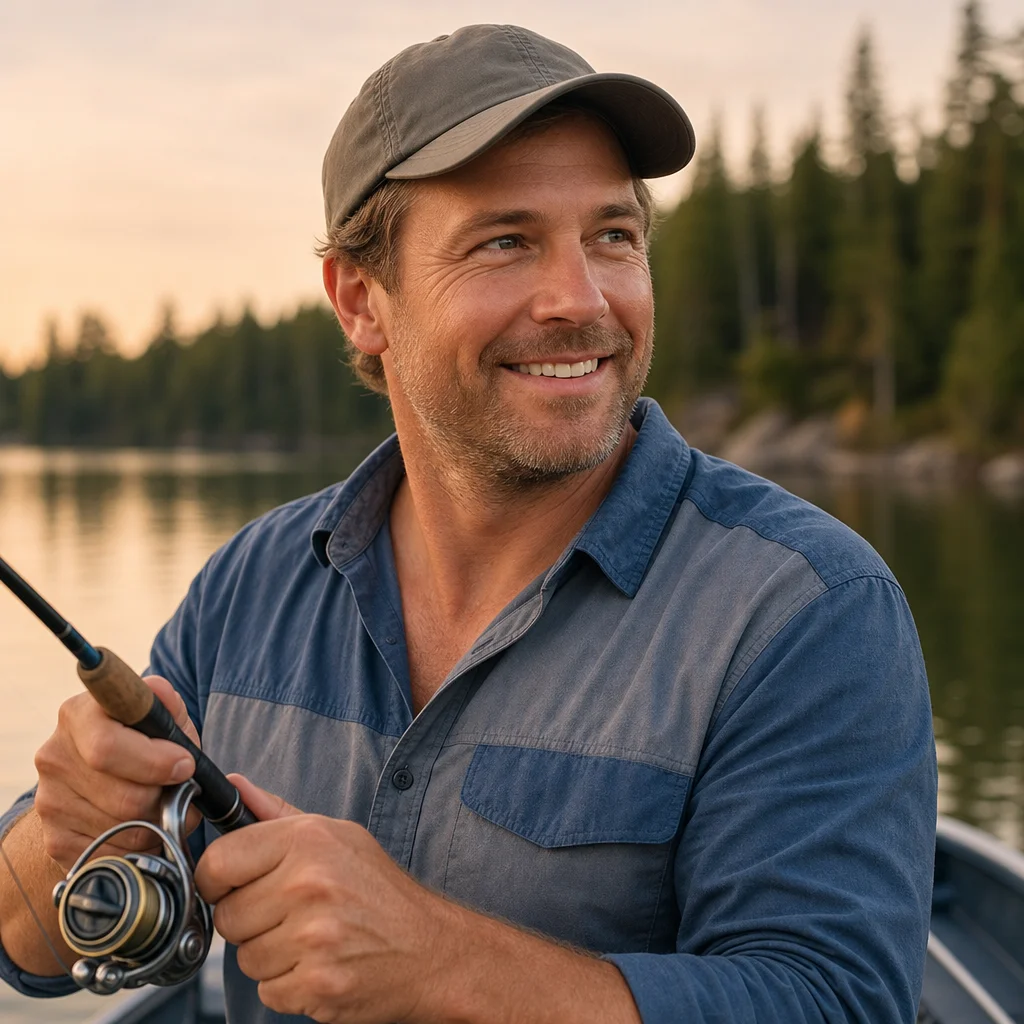
Sight-fishing in shallow saltwater asks more of sunglasses than a casual day on the water. I’m not just trying to make a bright afternoon more comfortable. I’m trying to separate a redfish tail from floating grass, pick out the dark push of a cruising snook, or notice a bonefish before it disappears against a sandy bottom.
The right pair won’t make every fish obvious. Wind chop, clouds, stained water, and a poor sun angle can still hide plenty. But good polarized lenses reduce surface glare enough to give your eyes a better chance, and the right lens color and frame fit can make a long day on the flats far less tiring.
Start With Polarization, Not Lens Color
For shallow-water sight-fishing, polarization is the feature I’d prioritize first. Light reflecting off a flat water surface is largely horizontal, creating the glare that turns a promising flat into a silver mirror. A polarized lens is designed to filter much of that reflected glare.
That doesn't mean polarization lets you see through water in every situation. It helps most when the water is reasonably clear and the sun angle is workable. It can't eliminate glare from every direction, reveal fish beneath muddy water, or overcome heavy wind chop.
Still, compared with a similarly tinted non-polarized lens, a quality polarized pair is usually the more useful tool for spotting fish, reading bottom changes, and following a fly or lure near the surface.
Look for consistent polarization across the lens
The label may say “polarized,” but lens quality still matters. Uneven optical clarity, distortion near the edges, or patchy polarization can make your eyes work harder. When I’m evaluating a pair in person, I look through both lenses at straight lines, such as a window frame or shelf edge, and move my head slowly. Lines should remain straight rather than bending, swimming, or warping.
You can also rotate the glasses while looking at reflected light from a window, vehicle, or water surface. The glare should noticeably change as the lenses rotate. It is a simple check, not a laboratory test, but it can reveal obvious problems.
Match Lens Color to the Flat and the Light
There is no single best lens color for all Florida and Gulf Coast conditions. The most useful choice depends on how bright it is, the color of the water, and whether you spend more time over pale sand, turtle grass, oyster bottom, or a mix of all three.
In general, darker lenses control intense light well. Lighter or higher-contrast lenses make more sense when clouds, early light, or protected shorelines take the edge off the sun.
Gray lenses for bright, open conditions
Gray lenses reduce overall brightness while keeping colors fairly neutral. They are a dependable choice for brilliant midday sun, open bays, pale sand, and long runs across exposed water.
Their strength is comfort in harsh light. Their tradeoff is that they may not provide as much contrast as a brown, copper, or rose-based lens when you are trying to distinguish a fish from mottled grass or bottom shadow.
If you primarily fish wide-open flats under strong sun and want a lens that feels natural to look through, gray polarized lenses are a sensible starting point.
Copper, amber, and brown lenses for contrast
Copper, amber, and brown lenses are common favorites among sight-fishers because they can increase the contrast between subtle shapes and the surrounding water or bottom. They are often useful over grass flats, mixed bottom, and water with a green or tea-colored cast.
These lenses can make shadows, potholes, cruising fish, and bottom transitions easier to sort out. That extra contrast is especially helpful when a fish isn't tailing or pushing water and all you have is a faint change in shape.
For a one-pair solution on many Gulf Coast flats, I’d lean toward a copper or brown polarized lens in a medium-to-dark transmission. It is a versatile compromise between all-day brightness control and fish-spotting contrast.
Rose and vermilion lenses for lower light
Rose, vermilion, and similarly warm high-contrast lenses can be useful early in the morning, late in the day, or beneath light cloud cover. They can brighten the scene and help define detail when a dark gray lens feels too dim.
The downside is obvious once the sun climbs. A lens that is comfortable under clouds may feel too bright on a white-sand flat at noon. Some anglers carry a second pair for these conditions rather than forcing one lens to cover every hour of the day.
Green mirror, blue mirror, and other coatings
Mirror coatings can reduce some light reaching your eyes and help a lens feel more comfortable in intense sun. The color you see on the outside of the lens, however, isn't the main thing to choose.
A blue mirror doesn't automatically mean the lens is best for blue water, and a green mirror doesn't automatically make it the best grass-flat lens. Look at the actual base tint—gray, copper, brown, rose, or another color—then treat the mirror as a secondary feature for brightness management and appearance.
Choose a Frame That Blocks Side Light
A great lens in a poor-fitting frame still leaves performance on the table. Light sneaking in from the sides, top, or bottom can create distracting reflections on the inside of the lens. On a bright skiff deck or pale sandbar, that extra light can be surprisingly tiring.
For flats fishing, I prefer a frame with meaningful coverage: a modest wrap, lenses tall enough to protect the lower field of view, and temples that sit securely without pressing hard behind the ears.
Wrap helps, but too much can be a problem
A wrapped frame blocks side light and helps keep wind, spray, and reflected glare out of your eyes. That is valuable when running the boat and when standing on an exposed bow.
But an aggressive wrap can introduce optical distortion if the lenses or prescription aren't designed for that curve. Try the glasses on and look side to side. If the horizon appears to bend, the frame may be too curved for the lens quality—or simply not a good fit for you.
Pay attention to nose pads and temple grip
Saltwater fishing means heat, sunscreen, sweat, and occasional spray. Sunglasses that slowly slide down your nose will become a nuisance right when you need to focus on a fish.
Rubberized nose pads and temple inserts can improve grip, but fit matters more than marketing. The frames should sit close enough to limit stray light without touching your cheeks or eyelashes. If the lenses rest against your face, they will fog more easily and collect sunscreen smudges.
A retainer is worth using, especially while running a boat or wading. It is cheaper than replacing a pair that went overboard during an awkward cast.
Don’t Ignore Eye Protection and Comfort
A sight-fishing lens should help you see, but it also needs to protect your eyes during a full day outside. Choose lenses with clearly stated ultraviolet protection and frames that provide coverage around the eyes.
Before you head onto the flat: Check the manufacturer’s current product specifications for full UVA and UVB protection, polarization, and any impact-rating claims. Those labels and standards can vary by product, and lens darkness alone doesn't tell you how much UV protection a pair provides.
Lens material is another practical choice. Polycarbonate and similar lightweight materials are popular because they are light and commonly used where impact resistance matters. Glass lenses can offer excellent optical clarity and scratch resistance, but they are heavier and can be less forgiving if dropped. Either can work well; the better choice is the one you will wear comfortably all day and keep in good condition.
If you use prescription lenses, talk with an optician about polarized options, wrap limitations, and lens thickness. A well-made prescription pair can be a major improvement over wearing contact lenses in wind and salt spray, but not every strong prescription works equally well in every highly wrapped frame.
Know What Sunglasses Can't Fix
Good sunglasses are an advantage, not a substitute for reading conditions. On the flats, I’d manage expectations when any of these factors show up:
- Wind chop: Broken surface texture scatters light and hides fish, even through excellent polarized lenses.
- Cloud cover: Softer light may reduce glare, but it also removes the contrast that makes fish stand out.
- Sun angle: The best viewing window is often when the sun is high enough behind or beside you to light the flat without reflecting straight into your eyes.
- Stained water: Polarization can cut surface glare, but it can't clear suspended sediment or tannin-stained water.
- Wrong position: Standing too low, facing directly into the sun, or looking only at one distance can cause missed fish.
When visibility falls apart, slow down. Scan in sections instead of staring at the whole flat. Look for movement, shadows that don't match the bottom, tail tips, nervous water, wakes, and changes in the shape of a pothole edge. Sunglasses help your eyes, but deliberate scanning helps your brain interpret what is there.
Care for Lenses Like They Are Fishing Equipment
Salt crystals, sunscreen, and fine sand can quickly turn a clear lens into a hazy one. Rinse the glasses with fresh water when you can, especially after spray or wading. Use a clean microfiber cloth and lens-safe cleaner rather than wiping dry grit across the lens.
Keep them in a hard case when they aren't on your face. This matters most with glass lenses, but scratches are a problem on any lens because they catch sunlight and create the same distracting flare you bought sunglasses to avoid.
Build Your Choice Around Your Most Common Conditions
If I were narrowing the decision down, I’d use this simple approach:
- Start with a quality polarized lens.
- Choose copper or brown for versatile contrast on many grass and mixed-bottom flats.
- Choose gray if intense, open-water brightness is your main challenge.
- Consider a rose or lighter contrast lens as a second pair for cloudy or low-light sessions.
- Pick a close-fitting frame with enough wrap to block side light, without edge distortion or pressure points.
- Verify UV protection and wear a retainer so the glasses stay with you, not the fish.
The best sunglasses are the pair that lets you stay comfortable, keep your eyes relaxed, and notice more of what the flat is showing you. They won't make every redfish easy to spot, but they can turn a glare-filled guess into a clean shot at the fish you came to find.