What Changes When You Fish a Deep Pond in the Middle of Summer
Use oxygen, shade, depth, and forage clues to adjust a pond strategy during hot weather.
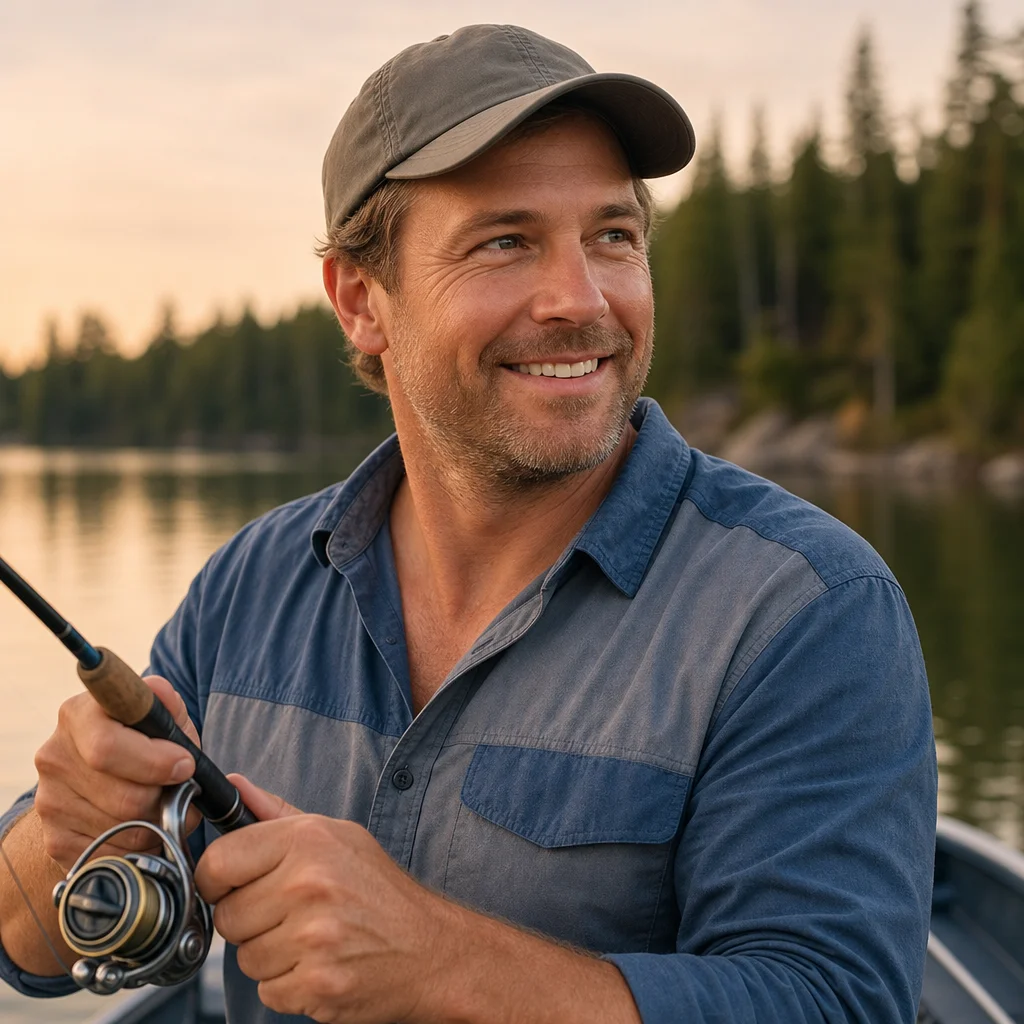
A deep pond can look almost unchanged in midsummer: the same banks, the same points, the same patch of weeds. Under the surface, though, heat can rearrange the whole place. Fish still need food and cover, but they also need water with enough oxygen to stay comfortable. That combination often matters more than simply fishing the deepest spot you can reach.
When the water is hot, I try to stop thinking of a pond as one big basin. Instead, I look for the areas where depth, shade, cover, moving water, and forage overlap. Those are the places most likely to hold fish that are willing to bite.
Deep water is useful, but it isn't automatically the answer
In a shallow pond, summer heat affects nearly every part of the water column. A deeper pond gives fish more options. The upper layer warms quickly in the sun, while deeper water may remain cooler for a time.
But cooler doesn't always mean better. In some ponds, especially fertile ponds with lots of algae or decaying vegetation, the deepest water can lose oxygen during hot, calm weather. Fish may avoid the bottom even when it is cooler there.
That is why a lure dragged across the deepest middle of the pond can produce nothing while fish are holding several feet higher on a break, near a shady bank, or around vegetation with healthy green growth.
Rather than asking, “How deep is the pond?” I ask a more useful question: “Where can fish find comfortable water, cover, and something to eat at the same time?”
Oxygen can narrow the productive zone
Oxygen is one of the biggest summer clues, even though we can't see it directly. Fish use oxygen dissolved in the water, and levels can vary from one part of a pond to another.
A few areas commonly deserve extra attention:
- Windblown banks: Wind stirs the surface and can push plankton and small baitfish toward one side of the pond.
- Areas with incoming water: A small creek, drainage pipe, spring seep, or fountain may offer slightly cooler or better-oxygenated water.
- Healthy vegetation edges: Green weeds can provide cover and support insects and small fish. Their outside edges often create an easy feeding lane.
- Shade near deeper water: Docks, overhanging trees, steep banks, and bridges can give fish relief from direct sun without forcing them far from a depth change.
Be cautious about assuming any thick vegetation is good. Dense weed mats can be excellent cover, particularly early and late in the day, but decaying vegetation and prolonged calm heat can make nearby water less appealing. Let the fish tell you. If you see bait, bluegills, swirls, or repeated strikes around an edge, it is worth working thoroughly.
Before you fish an inflow or aerator: Check the pond’s access rules and property boundaries. Some ponds restrict fishing near fountains, dams, intake structures, or private shoreline improvements.
Shade becomes more valuable as the sun climbs
Summer fish don't always hide in shade, but shade is rarely a bad place to check. It lowers light levels, can slightly moderate surface temperatures, and often concentrates prey.
On a deep pond, the best shade is usually shade with an escape route. A dock over six feet of water, a laydown beside a sharp bank, or an overhanging tree near a point gives a bass, crappie, or sunfish access to both cover and open water.
I like to fish shade in a deliberate order:
- Start on the outer edge, where a fish may be waiting to ambush prey.
- Make a cast parallel to the shaded edge.
- Work farther underneath or tighter to the cover.
- Follow with a slower presentation if a faster lure draws a miss or follower.
A common mistake is making one cast into a dock shadow and moving on. In hot weather, a fish may be tucked into the darkest corner, beside a post, or just outside the shade line where it can watch the brighter water.
Depth changes matter more than open-water depth
A pond’s steepest breaks often concentrate fish better than its deepest flat. Look for places where a shallow feeding area drops quickly into deeper water:
- The end of a point
- A dam face
- A creek-channel edge, if the pond has one
- The outside edge of a weedline
- A bank that becomes steep near a dock or fallen tree
- A submerged hump or ridge found with a depth finder
These areas let fish move up to feed during low-light periods and slide deeper when the sun is high or activity slows. They also give anglers a practical target. Instead of casting aimlessly across the middle, you can work a contour repeatedly from several angles.
If you fish from shore, a dam or a steep-sided bank may be your best access to depth. Cast parallel to the bank when possible. A lure moving along the break stays in the productive depth range longer than one pulled straight from deep water into the shallows.
Let forage tell you where to begin
Forage is the final piece of the puzzle. Predators may prefer a certain temperature range or depth, but they still have to eat. When I see signs of life, I slow down and investigate.
Watch for small bluegills near cover, minnows dimpling the surface, shad flickering along a windblown bank, dragonflies working a weed edge, or occasional surface explosions. None of these signs guarantees a bite, but they point to a food chain that may be active.
Match your lure to the type and position of the forage:
When bait is shallow around cover
Try a weightless soft plastic, a compact jig, a wacky-rigged worm, or a small topwater early and late. Work it around shade lines, grass edges, dock posts, and laydowns. Keep casts quiet and accurate.
When fish are holding on a break
A Texas-rigged worm, creature bait, football-style jig, Carolina rig, deep-diving crankbait, or drop-shot can cover the transition from shallow to deep. The best choice depends on the cover and how snag-prone the bottom is.
For beginners, a Texas-rigged worm is hard to beat around pond cover. It can be worked slowly, comes through weeds reasonably well, and is easy to cast. Use the lightest weight that still lets you feel the bottom and maintain contact with the depth change.
When fish are chasing in open water
If baitfish are visibly active away from the bank, a small swimbait, underspin, lipless crankbait, or suspending jerkbait may help you cover water. Let the bait activity determine your depth. If you see fish breaking the surface, start high in the water column; if activity fades, count the lure down and work progressively deeper.
Adjust your timing before changing every lure
Midsummer pond fishing often improves when the light is low. Early morning, evening, and overcast periods can bring fish shallower, especially around feeding cover. Midday isn't hopeless, but it usually calls for more precision and patience.
A practical summer routine might look like this:
- Early morning: Fish shallow shade, grass edges, and topwater-friendly cover.
- Late morning: Move to the outside edge of cover and nearby depth changes.
- Midday: Target docks, steep shaded banks, deeper weed edges, and the dam area with slower presentations.
- Evening: Revisit shallow feeding areas, especially where baitfish or bluegills are active.
This is a pattern to test, not a rule carved in stone. A windy, cloudy afternoon can fish more like morning. A still, bright morning after several hot nights may push fish deeper sooner than expected.
Slow down, but keep a purpose
Hot weather can make anglers slow down so much that they stop covering useful water. The better approach is to fish efficiently: search for active fish first, then slow down once you find a likely holding area.
For example, make a few casts with a swimbait or crankbait along a weed edge or point. If you get a strike, a bump, or see a follower, return with a worm or jig and work that section carefully. The faster bait helps locate fish; the slower bait gives less aggressive fish an easier meal.
Pay attention to whether bites come from the same depth, type of cover, or side of the pond. Two bites beside shaded grass in four feet of water are more valuable than they seem. They give you a pattern to test around the rest of the pond.
A simple plan for your next hot-weather pond trip
Start by walking or idling around the pond and looking for shade, wind, visible bait, green vegetation, and access to a depth change. Fish the most promising combination first rather than committing to the deepest water right away.
Then make a short rotation:
- Check shallow shaded cover during low light.
- Fish the outer weed edge, point, or steep bank with a moving bait.
- Slow down with a worm or jig where you find life or get a response.
- Revisit productive shallow water near evening.
Deep ponds give fish options in summer, and that is what makes them interesting. Find the places where comfortable water meets cover and forage, and you will spend less time casting into empty-looking water—and more time around fish that have a reason to be there.