How to Find Late-Fall Crappie From a Public Bank
A bank-focused approach to finding late-fall crappie on Southern reservoirs and lakes, with accessible location clues, simple rigs, and a practical plan for covering water.
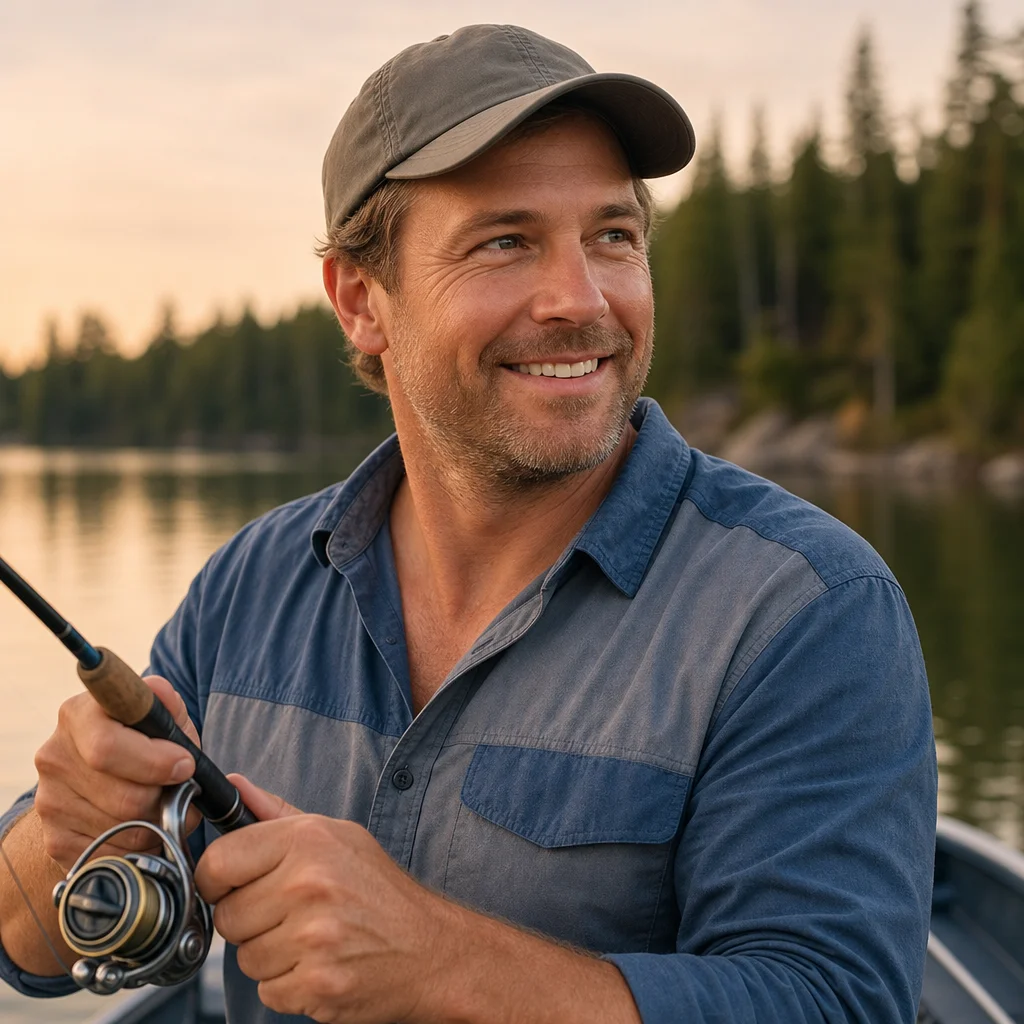
By Caleb Mercer · Fish Species
Late fall can make crappie feel like they’ve disappeared, especially when you’re limited to public shoreline. The fish are often leaving the obvious shallow cover that produced earlier in the year, while much of the best-looking deeper water remains out of casting range.
The good news is that crappie don’t need to be in the middle of a lake to use deeper water. On many Southern reservoirs and lakes, they hold near bank-accessible depth changes, old creek channels, bridge approaches, standing timber, and submerged brush. The key is to stop treating every open stretch of bank the same. I look for a bank that gives crappie a quick route between shallow feeding water and a dependable deeper holding area.
Start With Banks That Reach Deep Water Quickly
In late fall, a gradual, featureless shoreline is usually a low-percentage place to spend much time. Crappie may visit it briefly, but it rarely gives them the depth and cover they favor as water cools and conditions change.
Instead, focus on places where the shoreline drops into deeper water within a cast. Productive examples include:
- Steep, rocky banks
- The outside bends of creek arms
- Points that taper quickly into a creek or river channel
- Dam-side banks and riprap near deep water
- Bridge causeways and bridge approaches
- Fishing piers built over or near a drop-off
- Public parks beside old creek channels
A paper map, a lake map app, or a reservoir contour map can save a lot of walking. Before heading out, identify public access areas near a channel swing, a creek-mouth point, or a sharp contour change. You don’t need a perfect map to begin. Contour lines packed close together generally indicate a steep break, and that is the kind of water worth checking from shore.
Check the shoreline you plan to fish
Confirm public access boundaries, park hours, fishing-license requirements, and current crappie length or creel limits for the specific lake. Public bank access can change with water levels, construction, and seasonal closures.
Think in Terms of Travel Routes, Not Just Fishing Spots
Late-fall crappie commonly relate to a simple travel pattern: shallow water when conditions are favorable, then deeper water or cover when they aren't. From the bank, the most useful places are where that transition happens close to shore.
A creek channel is a prime example. If an old creek bed swings against a public bank, crappie may suspend along its edge or hold in timber, brush, or rock on the break. They may not be directly in the channel itself. Often, the better target is the first piece of cover just above the drop or along the side of it.
At a bridge, think beyond the obvious pilings. Crappie can hold on nearby riprap, brush that has collected around the structure, old roadbeds, and the deeper water leading to the bridge. Fish the approach as well as the bridge itself.
On a point, start near the end and work back toward the bank. The end of a point often gives you the best casting angle into deeper water. If you can cast across the point rather than straight out from it, your lure stays in the productive depth zone longer.
Find Cover That Is Worth a Few Extra Casts
Depth gets crappie in the neighborhood, but cover often tells you where to make the cast. In late fall, brush piles, laydowns, standing timber, docks where public fishing is allowed, and even isolated stumps can concentrate fish.
Not every visible branch is a crappie magnet. The most promising cover usually has at least one of these advantages:
- It sits near a depth break.
- It extends into deeper water.
- It creates a distinct vertical target, such as a trunk or brush edge.
- It is the only substantial cover along an otherwise bare bank.
- It lies where a channel, point, or creek arm narrows fish movement.
A laydown that reaches from shallow water into a deep pocket is far more interesting than a small pile of sticks on a flat. Likewise, a single submerged tree near a bridge approach can be better than a whole shoreline of shallow brush.
When I find likely cover, I don’t assume fish are buried in its center. I start by working the outside edges, the deepest side, and the area immediately above it. Crappie often suspend beside cover rather than sitting deep inside the thickest tangle.
Use a Vertical Presentation Whenever the Bank Allows It
A vertical presentation is one of the most dependable ways to catch late-fall crappie from shore because it lets you control depth precisely. That matters when fish are holding a few feet off the bottom, suspended over brush, or positioned at a specific level beside a bridge piling.
The simplest bank-friendly setup is a small jig under a fixed or slip float. A 1/32-ounce to 1/16-ounce jighead paired with a compact soft-plastic body is enough for many calm-water situations. A small tube, curly-tail grub, paddle-tail, or straight-tail plastic can all work. Color matters less than putting the lure at the fish’s depth, though contrasting colors can help you see bites and track the lure in stained water.
Set the float so the jig rides just above the top of the brush or at the level where you expect suspended fish. If the brush is in 10 feet of water but its upper branches reach 5 feet below the surface, begin with your jig around 4 to 5 feet deep. That keeps it above the snags while putting it near fish using the cover.
Make short casts past the target, then bring the float slowly across the edge. Pause often. In cool water, an almost motionless jig can be more effective than one worked with constant action.
When a long rod helps
A 9- to 12-foot crappie rod can be useful where you can stand safely near the water and reach vertical cover such as bridge pilings, dock edges, or flooded timber. It lets you lower a jig beside a target and hold it at one depth without needing a long cast.
This approach is especially handy when crappie are tight to a visible object. Lower the jig beside the cover, hold it still for several seconds, raise it a little, and repeat. Keep your line as straight as possible. A tight line makes soft bites easier to detect and gives you better control around snags.
A long rod isn't required, though. A standard light or ultralight spinning outfit with a float rig will cover most public-bank situations just fine.
Match Your Rig to Wind and Water Depth
A float rig is easy to fish, but wind can make it frustrating. If waves are dragging your float too quickly or bowing your line, switch to a slightly heavier presentation.
A 1/16-ounce jig on light line can be cast farther and counted down to a chosen depth. Cast beyond the cover, let the jig fall on a semi-slack line, and watch for any jump, twitch, or unexpected stop. Then retrieve it slowly with occasional pauses.
For deeper water or a stronger breeze, a simple drop-shot style rig can keep a small bait near the bottom without burying it in the cover. Use a light sinker below a small jig or hook, and work the rig with short lifts near brush, rocks, or bridge structure. This isn’t the first rig I’d tie for every bank, but it can solve the problem when crappie are deeper than a float setup can comfortably cover.
Keep line light enough for small lures—often 4- to 8-pound test—but choose a little more strength if heavy brush and larger fish are part of the equation. The goal is a controlled presentation, not a fight with tackle that is too heavy for the bait.
Cover Water With a Repeatable Search Pattern
Bank anglers can lose time by making dozens of casts from one comfortable spot. Late-fall crappie are often grouped up, but the groups may be small and positioned very specifically. A systematic approach helps you find them faster.
At each likely location, fish three zones:
- The shallow edge: Make a few casts close to visible cover or the bank. Crappie may still move shallow during stable, favorable periods.
- The middle depth: Work the top and outer edge of cover, especially where it meets the drop.
- The deep side: Cast toward the channel, point end, bridge approach, or deeper water beyond the cover.
Change only one thing at a time. Start with a jig under a float at a moderate depth. If there are no bites, deepen the jig by a foot or two. If that fails, move to the deeper side of the feature. Once you’ve covered the likely depths and angles, walk to the next piece of meaningful structure.
A good rule is to give a promising target enough casts to explore it, but not so many that you turn a slow spot into an all-morning commitment. If you catch one crappie, slow down. There may be several more holding at exactly the same depth and angle.
Watch for Clues That Narrow the Search
Late fall doesn’t look identical on every lake or every day. Water clarity, reservoir level, recent weather, and baitfish movement all affect where crappie position. Rather than relying on a calendar alone, pay attention to what the bank tells you.
Wind pushing into a protected cove can gather drifting food and baitfish, but it may also make lure control difficult. Clear water often calls for longer casts, lighter line, and less aggressive movement. Stained water can allow you to fish closer and use a slightly more visible bait.
Bird activity can be a useful clue, too. Schools of shad near a bridge, point, or creek mouth can indicate the kind of food base crappie are likely following. It doesn’t guarantee a catch, but it gives you a reason to work the nearby depth change carefully.
If water levels are low, exposed banks may reveal old brush, stumps, rock lines, and creek cuts. Make a mental note, take a map screenshot, or mark the location for future trips. Those details are much harder to identify once the water rises.
Keep a Simple Late-Fall Bank Plan
For a short trip, I’d keep the plan straightforward: choose one public area with deep water nearby, carry a small selection of jigs and floats, and spend most of the time around depth changes and cover instead of roaming random shoreline.
Start at the steepest accessible bank, bridge approach, or point. Fish a small jig under a float around the outer edge of cover. Adjust depth steadily until you find a bite or have covered the feature well. Then repeat that depth and presentation on similar nearby spots.
Late-fall crappie from the bank are rarely found by casting the farthest or using the most complicated rig. More often, they come from recognizing a useful depth change, putting a small bait near cover, and being patient enough to work the right depth. Find the route, locate the cover along it, and let a controlled vertical presentation do the rest.