How to Choose a Fishing Spot When You Only Have an Hour
A practical process for comparing nearby banks, ponds, rivers, and access points when time is limited.
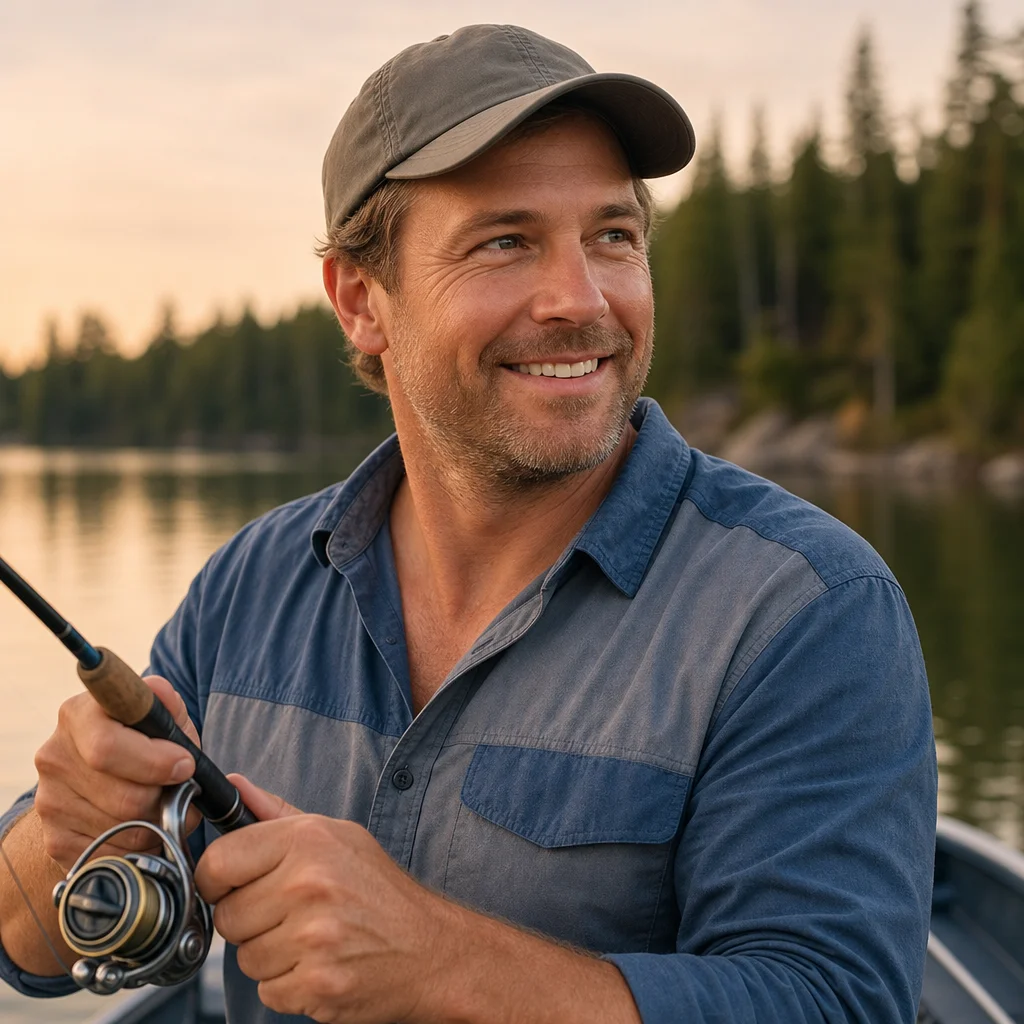
An hour on the water can be plenty—unless I spend the first half of it driving around, hunting for parking, or staring at a bank that looked better on a map. When time is tight, the goal isn’t to find the most famous fishing spot nearby. It’s to choose the place where I can make the most useful casts with the fewest surprises.
For beginners and after-work anglers, a dependable close-to-home spot usually beats a destination that might be better on a perfect day. Here’s how I narrow the choices quickly.
Start with your real fishing time
An “hour of fishing” often turns into far less once travel, parking, walking, and packing up are included. I first decide whether I have:
- A full hour at the water: I can consider a spot that requires a short drive or walk.
- An hour door to door: I choose the closest legal, familiar access point.
- A narrow window before dark: I favor open banks, simple tackle, and places where I already know the layout.
A good rule is to protect at least 35 to 45 minutes for actual casting. If reaching a spot will consume more than 15 or 20 minutes each way, it needs to be exceptionally convenient once I arrive.
Favor familiar water over promising water
When I only have an hour, I’d rather fish a modest pond I understand than an impressive lake or river stretch I’ve never seen. Familiarity saves time in several ways:
- I know where to park.
- I know whether the bank is fishable.
- I know where the snags, weeds, drop-offs, or current seams tend to be.
- I have a reasonable idea of what species live there.
- I can start with a lure or bait that has made sense there before.
This doesn’t mean I never explore. It means I treat exploration as its own outing whenever possible. A short session is usually better spent making casts than conducting a reconnaissance mission in hiking boots.
Rank spots by access, not just by water quality
A place can hold plenty of fish and still be a poor one-hour choice. I look at the entire path from my vehicle to the first cast.
Choose easy parking and a short walk
The best quick-trip locations let me park safely and reach fishable water in a few minutes. A long trail, steep bank, locked gate, or crowded lot can erase the advantage of a nearby lake.
For bank fishing, I give extra credit to places with several short access points. If one area is busy or unfishable because of wind, weeds, or muddy water, I can move without sacrificing the whole outing.
Look for room to cast
A small opening in the brush may technically provide access, but it can be frustrating if I can’t cast, land a fish, or move away from a snag. On a short trip, I want an open bank, a dock, a fishing pier, or a clear stretch of shoreline where I can work a lure efficiently.
Avoid complicated launches and transitions
If I’m using a kayak, canoe, or small boat, the same principle applies. A one-hour outing rarely justifies a difficult launch, long carry, or a location where I have to cross a large, wind-exposed area before reaching fish.
Match the spot to the conditions you have today
The water itself matters, but I keep the decision simple. I’m not trying to solve every fishing variable. I’m looking for a spot that gives me a reasonable chance under the conditions in front of me.
On windy days, find protected water
Wind can make casting difficult, push floating debris into a bank, and muddy up shallow areas. I often choose a cove, a pond with a sheltered side, or a riverbank protected by trees or terrain.
That said, wind can also concentrate food along a shoreline. If I can cast comfortably, a windblown bank may be worth trying—especially on a pond or small lake. The key isn't fighting unsafe or unmanageable conditions just to reach it.
In hot, bright weather, look for shade and depth nearby
During a warm afternoon, I look for shade from trees, docks, bridges, or overhanging vegetation. I also like banks where deeper water is within casting range: a point, channel edge, dam face, creek mouth, or dock line can be more useful than a broad, featureless flat.
After rain, keep things simple
Rain can change water clarity and current quickly. On ponds, I may target calmer edges, inflows, or protected cover. On rivers and creeks, I pay close attention to rising water, muddy conditions, and current strength. A familiar pond or accessible lake bank is often the better short-session choice after a hard rain.
Check today’s water and weather conditions
Before heading out, look at the forecast for lightning, wind, heat, and recent rainfall. If you’re considering a river, creek, or coastal access point, check local water-level, flow, tide, or hazard information as appropriate. Conditions can change quickly, and the sensible move is to pick a safer, easier location—or skip the trip—when they do.
Find fishable features close to shore
For an after-work bank session, I don’t need a perfect underwater map. I just need a spot with something different from the surrounding water. Fish commonly use changes in depth, cover, current, and shade.
Useful features include:
- Docks and fishing piers: Shade, pilings, and nearby depth can hold fish.
- Weed edges: Work the outside edge rather than casting deep into thick vegetation.
- Laydowns and brush: Cast alongside submerged branches, but use tackle heavy enough to pull free from cover.
- Points and corners: These give fish a travel route and give me multiple casting angles.
- Creek mouths and culverts: Moving water can bring food, particularly in ponds and lakes.
- Riprap and dam banks: Rocks often attract small forage and provide varied depth.
- River current breaks: Eddies, slower pockets, bridge pilings, and seams between fast and slow water are efficient places to start.
If a bank has no visible cover, no shade, no depth change, and no room to move, I don’t linger. I’ll make a few casts, then shift to the next access point.
Use a simple scorecard when choosing between spots
When several nearby options look decent, I score each one quickly. I don’t need a spreadsheet; five questions are enough:
- How soon can I make my first cast?
- Can I fish there legally and comfortably from shore?
- Does it have at least one fish-holding feature within reach?
- Does it fit today’s wind, light, and water conditions?
- Do I know what tackle to bring?
The spot with the most “yes” answers is usually the right choice. This method also keeps me from overvaluing a place simply because it has a reputation for big fish.
Keep the tackle decision tied to the spot
A short trip goes smoother when I select the location and tackle together. I don’t want to arrive at a tight, brushy creek with a long rod and a tackle bag built for open-water bass fishing.
For most nearby ponds and bank access, I can cover a lot with one medium-light or medium spinning setup and a small selection of proven options:
- A small jig or soft plastic for docks, weeds, and edges
- An inline spinner or small paddle-tail swimbait for searching open water
- A bobber and live or natural bait option where legal and practical
- A compact topwater lure for low-light, calm conditions
The exact lure matters less than choosing something I can cast confidently around the available cover. With only an hour, I’d rather fish one or two presentations well than keep changing tackle every five minutes.
Confirm access and fishing rules for your chosen water
Check the current rules for the specific pond, park, river access, or pier you plan to use. Public access, hours, required licenses, species limits, bait restrictions, and seasonal closures can vary by location. A quick check through your state fish and wildlife agency, local park authority, or property manager can prevent a wasted drive.
Have a quick arrival routine
Once I get to the water, I try not to overthink the first ten minutes. I use a simple sequence:
- Walk far enough to see the bank, wind direction, and visible cover.
- Pick the best nearby feature—dock, weed edge, current seam, shaded corner, or rocky bank.
- Make a handful of casts from different angles.
- If there’s no sign of activity, move to the next feature or access point.
“Sign of activity” can mean a strike, a follow, baitfish flicking near cover, a fish rolling at the surface, or simply a spot that feels more alive than the one I started on. I don’t need to catch a fish immediately, but I do want a reason to keep investing time.
Know when to stay and when to move
The biggest mistake on a one-hour outing is waiting too long for an unproductive spot to improve. I give a promising feature a fair chance, then move if it isn’t producing.
I’m more likely to stay when:
- The spot has several kinds of cover or changing depth.
- I see baitfish, surface activity, or follows.
- I get short strikes or missed bites.
- The location is comfortable enough to fish thoroughly from several angles.
I move when:
- The water is too shallow, muddy, weedy, or snag-filled to fish effectively.
- Wind or sun makes the bank unpleasant or difficult to work.
- I can’t reach meaningful cover or depth.
- Other anglers, swimmers, or heavy activity have taken away the available casting room.
On a small pond, moving 50 yards can be enough. On a river, it may mean changing from the fast main current to a calmer seam behind a bend or obstruction.
Build a short-list of reliable hour spots
The best long-term solution is to keep a personal list of two to five nearby places that work for quick sessions. For each one, I note:
- Typical parking and walking time
- Best bank or access point
- Productive cover or structure
- What species I’m most likely to encounter
- Which wind directions make it difficult
- A couple of dependable lures or baits
- Whether it fishes better in the morning, evening, or overcast conditions
A note on my phone is enough. After a few trips, this list becomes more valuable than a generic list of “best fishing spots” because it reflects the time I actually have and the water I can realistically reach.
Make the first cast count
When I only have an hour, I choose the spot that lets me fish quickly, legally, safely, and with confidence. Close access, familiar water, workable conditions, and visible cover matter more than a spot’s reputation.
Pick one nearby location with easy access and one clear feature to fish. Bring a compact setup, start with a lure or bait you know how to use, and give yourself permission to move if the first area isn’t right. A short, focused session may not always produce a fish worth bragging about, but it will put more casts—and more useful lessons—into your week.