How Do I Fish a Weed Edge Without Losing Every Lure?
Ways to select weed-friendly rigs, control retrieve depth, choose casting angles, and clear vegetation efficiently.
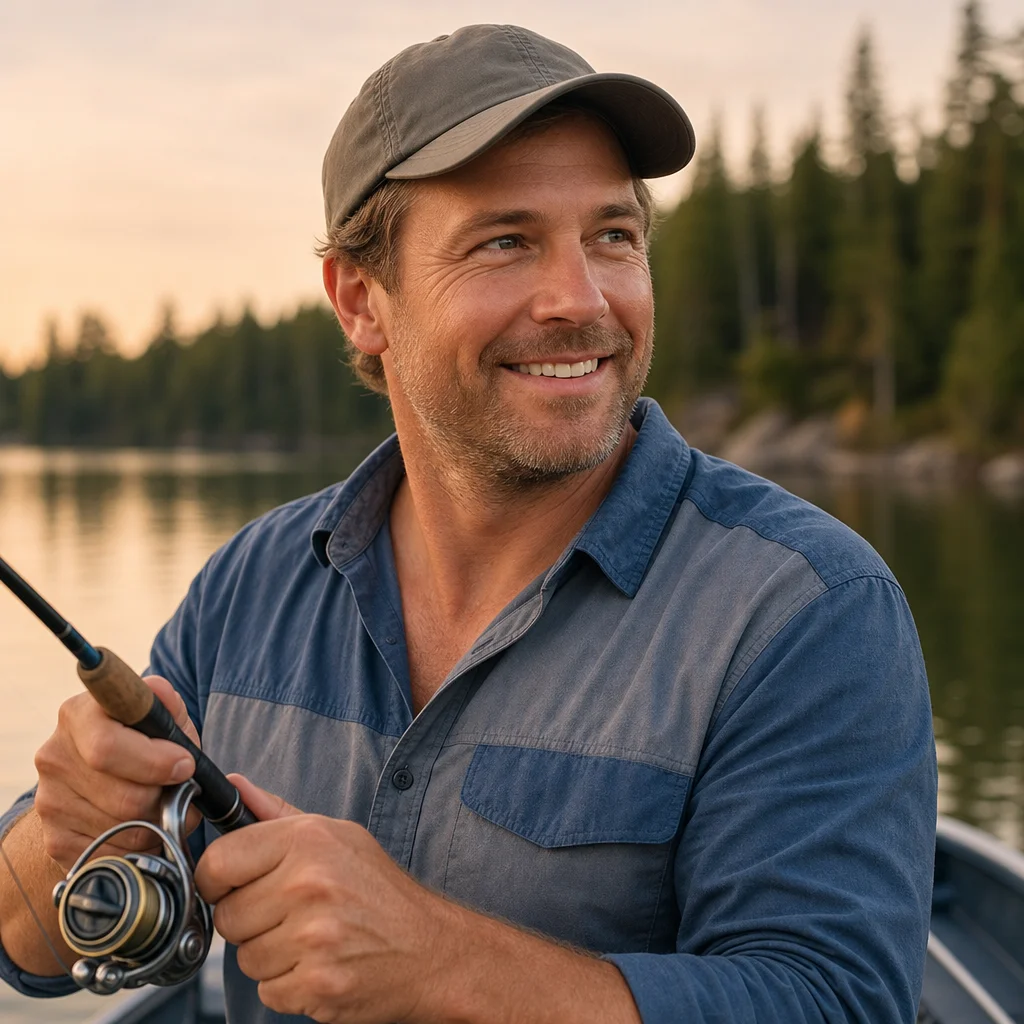
A weed edge is one of the best places to find freshwater fish, and one of the fastest places to donate a pile of tackle to the lake. The same grass that gives bass, pike, panfish, and other predators a place to hide also grabs exposed hooks, diving lips, and loose line.
I don’t try to make every lure work in every kind of vegetation. The better approach is to match the lure and retrieve to the thickness of the weeds, then fish the edge from an angle that keeps the bait in the strike zone without dragging it through the worst cover.
Read the weed edge before you cast
“Weed edge” can mean several different things. A clean wall of cabbage in 8 feet of water fishes differently from scattered coontail in 3 feet, and both differ from a matted surface of lily pads or hydrilla.
Before I choose a lure, I look for three things:
- How dense is the vegetation? Sparse stems allow more presentations than thick, matted grass.
- Where does the edge meet open water? The outside edge often drops into deeper water; the inside edge may lead to a shallow flat.
- Are there irregularities? Points, pockets, isolated clumps, holes, and changes in weed type are natural ambush spots.
A long, straight weed line can hold fish, but the little imperfections deserve extra casts. A pocket in the weeds or a single clump sitting off the main line gives a fish a defined place to set up.
Match the lure to the cover
The least frustrating way to fish weeds is to use a lure that is built for the cover in front of you. That doesn’t mean every bait has to be perfectly weedless. It means exposed hooks and snag-prone hardware belong where the weeds are open enough to tolerate them.
Use truly weedless rigs in thick cover
When the weeds are dense, I start with soft plastics rigged on an offset worm hook or extra-wide-gap hook. A Texas-rigged worm, creature bait, craw, or stick bait can slide through vegetation far better than a lure with exposed treble hooks.
To rig a soft plastic effectively:
- Insert the hook point into the nose of the bait and bring it out after about a quarter inch.
- Slide the bait up the hook shank and rotate it so it sits straight.
- Measure where the hook should re-enter the body, then push the point through so the bait lies straight.
- Lightly bury, or “skin-hook,” the point just beneath the plastic if the cover is especially thick.
A straight bait matters. If the plastic is bent or bunched up, it will spin, snag more often, and look less natural.
A bullet weight can help a Texas rig reach the edge or punch through light vegetation. In sparse weeds, an unpegged weight gives the bait a little separation on the fall. In heavier cover, pegging the weight close to the bait helps the whole rig move through stems as one compact package.
For surface vegetation, a hollow-body frog is a useful option. Its hooks ride close to the body, allowing it to cross pads and matted grass where most lures would collect a green beard on the first cast. A weedless spoon can serve a similar purpose over thinner surface cover.
Use guarded or single-hook lures in moderate weeds
Spinnerbaits, swim jigs, bladed jigs, and vibrating jigs can work well along scattered weeds and clean outer edges. They aren't invincible, but their wire frames, upward-facing hooks, or streamlined profiles often shed light vegetation better than crankbaits and treble-hooked plugs.
A swim jig with a soft-plastic trailer is one of the more adaptable choices. I can swim it just over weed tops, run it beside the edge, or let it fall into a small opening. A paddle-tail trailer adds movement; a craw-style trailer gives a slower, more compact look.
For a quieter presentation, a weightless soft-plastic stick bait or fluke-style bait can be effective around isolated clumps and pockets. Rigged weedless, it can fall beside stems without constantly hanging up.
Save exposed trebles for clean lanes
Crankbaits, jerkbaits, lipless crankbaits, and topwaters with treble hooks can catch plenty of fish near weeds—but “near” is the important word. I use them along a clean outside edge, across a visible opening, or over short, sparse grass where I can keep the lure moving.
A lipless crankbait can be ripped free from light submerged grass, which often triggers strikes. But once the weeds become dense enough that every cast ends in a clump, it’s time to switch tools rather than force the issue.
Control retrieve depth instead of dredging the weeds
Many lost lures come from fishing a good bait at the wrong depth. If a crankbait digs into grass on every cast, the fish may still be there—but that particular lure is running too deep for the lane you are trying to cover.
Start by identifying the depth of the weed tops. Then choose a lure that runs just above them, along their outside face, or through openings between them.
A few simple adjustments make a big difference:
- Raise the rod tip to keep a moving lure shallower.
- Lower the rod tip only when you need the lure to run deeper along a clean edge.
- Retrieve faster to keep many lures higher in the water column.
- Use a lighter weight on soft plastics when you want a slower fall over vegetation.
- Choose a shallower-running lure rather than trying to muscle a deep diver through grass.
- Use a floating lure or buoyant soft plastic when you need to pause above the weeds.
Line choice affects depth, too. Fluorocarbon tends to sink and can help get a bait down, while monofilament floats more and can be useful for keeping topwater or shallow presentations high. Braided line cuts through vegetation well and makes it easier to pull fish free of heavy grass, especially with frogs and weedless soft plastics.
Choose casting angles that work with the edge
Casting straight into the thickest weeds is sometimes necessary, but it is rarely the most efficient first move. I like to work a weed edge from several angles before committing to the jungle.
Cast parallel to the edge
A parallel cast keeps your lure in the productive zone for a longer distance. This is especially useful on a clean outside weed line where fish may be positioned just inside the grass or just beyond it in open water.
Position the boat, kayak, or shoreline casting spot so the lure tracks beside the vegetation rather than cutting across it. A spinnerbait, swim jig, weightless soft plastic, or shallow crankbait can cover this lane well when the edge is relatively clean.
Cast past the edge and bring the lure across it
A cast that starts in open water and crosses the weed line lets you show the lure to fish on both sides of the edge. This works well with a weedless soft plastic, jig, or bladed jig.
As the lure reaches the grass, slow down slightly. Let it tick the outer stems or fall into a small opening instead of immediately pulling it through the thickest part.
Work pockets from the outside in
When you see a pocket in the weeds, approach it like a small room with several doorways. Make a cast beyond the opening, bring the lure into it, and let it pause or fall. Then make additional casts from different directions.
Fish often sit at the back of a pocket, beside a thicker clump, or at the mouth where the opening meets deeper water. A few deliberate casts usually beat firing one cast into the center and moving on.
Let the lure contact light weeds—but don’t drag it
A little contact with vegetation is often useful. A spinnerbait bumping a few stems, a lipless crankbait snapping free of light grass, or a Texas rig slipping over a stalk can look like vulnerable prey.
The problem starts when the lure is buried and you keep reeling. Dragging a bait through a wad of weeds makes it less appealing and increases the chance that the hooks find something solid underneath.
When I feel the lure beginning to load up with grass, I use a quick, controlled pop of the rod tip or a brief snap of the line. The goal is to clear the lure before it gathers a clump—not to yank it so hard that it flies out of the strike zone.
With a Texas rig, a short lift-and-drop often frees the bait. With a moving lure, a sharp twitch followed by a moment of slack can shake off loose strands. If the bait comes back covered in weeds, clean it completely before the next cast. A lure carrying even a small wad of grass rarely runs as intended.
Avoid common tackle mistakes around weeds
A few small adjustments prevent a surprising number of break-offs and lost lures.
Don’t use too light a setup for heavy cover
Light line and soft rods have their place, but thick vegetation demands enough backbone to move a fish before it wraps you around stems. For frogs, heavier Texas rigs, and dense grass, many anglers prefer braided line and a medium-heavy or heavy-power rod. The exact setup depends on the species, lure weight, and density of the cover, but the principle is simple: use gear that can control a fish once it bites.
Check your hook point often
A hook point can get rolled, dulled, or packed with plastic after repeated contact with weeds, wood, or rocks. Run the point lightly across a fingernail: a sharp hook should catch rather than slide. Replace or sharpen damaged hooks before they cost you a good fish.
Retie after hard snags
Line can be weakened by pulling free from buried stems, hidden wood, rocks, or old fishing line. If you had to pull hard to free a lure, inspect the line near the knot for roughness or nicks and retie if needed.
Before you work a new weed bed: Check local fishing rules for lure restrictions, seasonal closures, and any invasive-plant or water-access requirements at the water you plan to fish. Those details can vary by lake, river, and jurisdiction.
Free a snag without making it worse
Even a careful angler will hang up sometimes. When that happens, resist the urge to immediately pull harder. That often drives the hook deeper into the snag.
Instead, try this sequence:
- Stop reeling and keep light tension on the line.
- Move the rod tip toward the snag to create some slack.
- Give the line a few gentle pops from different angles.
- If possible, change your position so you are pulling from the opposite side of the snag.
- If the lure won't come free, pull steadily with the rod pointed toward the snag rather than high in the air.
Keeping the rod pointed at a snag when applying firm pressure reduces the chance of overloading the rod. If you are in a boat or kayak, moving closer is often the best lure retriever you own.
Build a simple weed-edge rotation
When I arrive at a weed edge, I like to cover it in stages rather than tying on a new lure after every unproductive cast.
Start with a moving bait that matches the openness of the cover—a spinnerbait, swim jig, bladed jig, or shallow-running lure in a clean lane. Use it to find active fish and identify the sections of the edge that look most promising.
Then slow down with a Texas-rigged soft plastic, weightless stick bait, or compact jig around pockets, points, isolated clumps, and missed strikes. If the vegetation is matted on top, switch to a frog and work it across the surface before probing holes with a soft plastic.
That progression lets you cover water efficiently without asking one lure to do a job it was never designed to do.
Make the weeds work for you
Fishing a weed edge without losing every lure comes down to choosing the right level of weed resistance, maintaining control of lure depth, and working the edge from angles that keep your bait clear of the thickest growth.
On your next trip, bring one weedless soft-plastic setup and one moving bait suited to light or moderate cover. Fish the clean outside edge first, pay attention to pockets and irregular clumps, and switch to a more weedless presentation as the grass gets thicker. You’ll spend less time picking salad off your hooks—and more time putting casts where fish can actually find them.