A Practical Guide to Choosing One Lure for a Short Lunch-Break Trip
A fast, practical framework for selecting a single lure when time is short at an urban pond or lake.
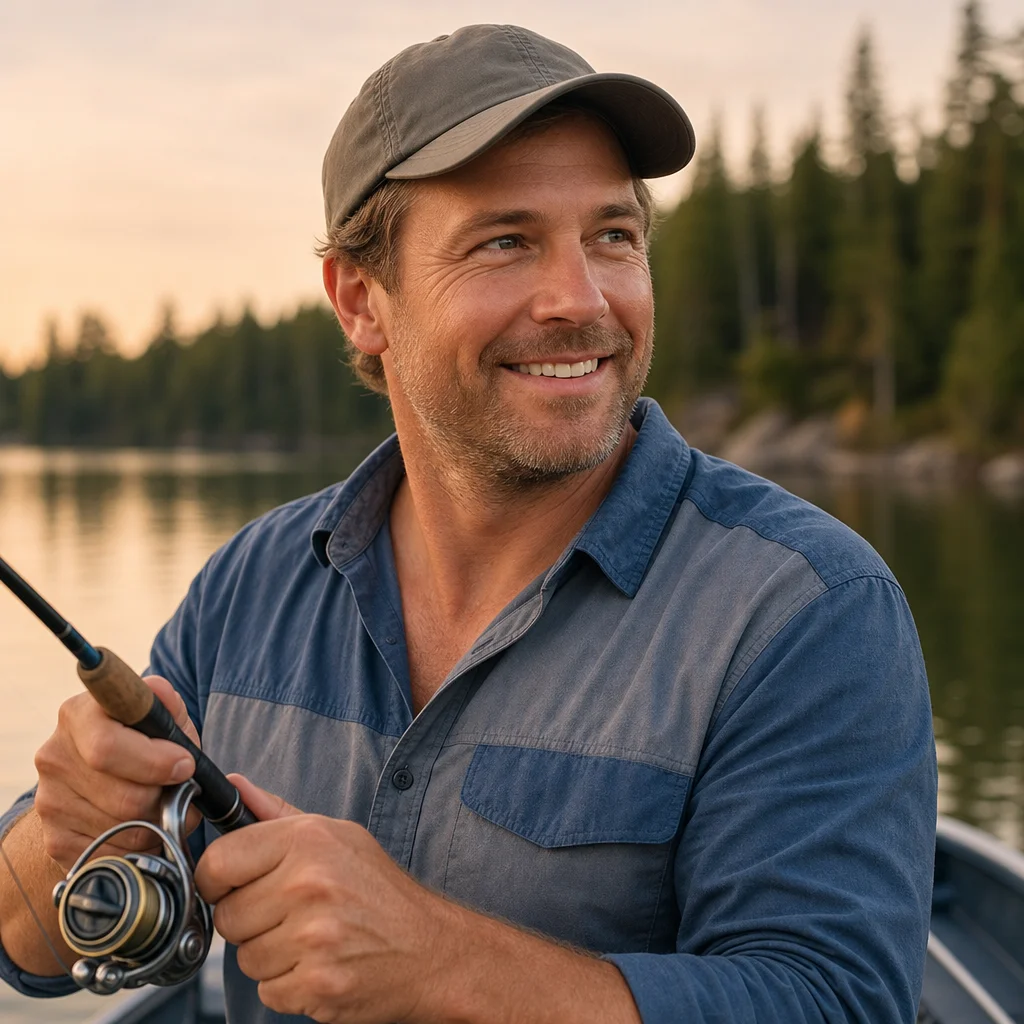
A short lunch-break trip changes the question from “What’s the best lure?” to “What gives me the best chance to get a useful bite in the next 30 minutes?” With one rod, limited walking time, and no room for a tackle-box debate, I want a lure that matches the water in front of me and lets me learn quickly.
The best single choice is rarely the most specialized lure. It is usually the one that reaches the likely fish depth, comes through the available cover, and can be worked at a pace that fits the clock.
Start With the Fish You’re Most Likely to Catch
In many urban ponds and lakes, a lunch-break angler may encounter largemouth bass, panfish, crappie, perch, and occasionally pickerel or stocked trout. You don't need to identify every species in the water. Pick the most likely target based on what you have seen, local reports, season, and the kind of shoreline you can reach.
Then choose a lure with enough broad appeal to catch more than one kind of fish.
For a general bass-and-panfish pond, a compact soft-plastic stickbait, small paddletail swimbait, inline spinner, or small jig can all be sensible one-lure options. The right one depends on depth and cover:
- Shallow weeds, laydowns, docks, or brush: a weedless soft plastic is usually the safest all-around choice.
- Open water with room to cast: an inline spinner or small swimbait covers water efficiently.
- Deeper edges, riprap, or suspected bottom-hugging fish: a jig is a strong option.
- Active fish chasing near the surface: a small spinner or shallow-running swimbait can find them quickly.
If I had to simplify it further, I would lean toward a weedless soft plastic when I expect cover and an inline spinner or paddletail when I need to search open water fast.
Let Depth Eliminate Half Your Choices
Depth is the first practical filter because a lure can't catch fish it never reaches.
Look for visible clues before tying on. A steep bank, bridge support, retaining wall, dock, point, dam face, or the outside edge of emergent weeds often gives access to deeper water. A broad, muddy flat with sparse cover may be shallow for a long distance.
Choose a Shallow, Slow Option for Bank Fish
Fish in a small urban pond often use shallow cover: shade under a dock, a gap in the weeds, a downed branch, or the darker edge of a bank. If you can see likely cover within casting distance, choose a lure that can stay in that zone without snagging every other cast.
A 4- to 5-inch weightless stickbait rigged weedless is hard to beat here. It lands softly, sinks slowly, and can be skipped or pitched into small openings. Let it fall on a little slack line, watch for a tick or sideways movement, then give it a small twitch or two.
A light Texas-rigged worm or creature bait fills the same role when wind, deeper cover, or thicker vegetation calls for a little more weight.
Choose a Search Lure When the Water Is Open
When there is no obvious shallow target—or when you only have 15 to 20 minutes—I prefer a lure that lets me cover a range of water without overthinking each cast.
An inline spinner is especially useful in small ponds. It casts well, gives off flash and vibration, and can catch bass, bluegill, crappie, and other opportunistic fish. Start with a steady retrieve just fast enough to keep the blade turning. Count it down for a few seconds before retrieving if fish may be holding deeper.
A small paddletail swimbait on a light jighead is another good search tool. It has a quieter look than a spinner, can be counted down to different depths, and works on a steady retrieve with occasional pauses.
Choose Bottom Contact When the Pond Has Depth or Hard Structure
A compact jig becomes more appealing when you are fishing a steep bank, rock, riprap, bridge pilings, or the edge of a channel. It gets down, stays in contact with the bottom, and can be worked slowly enough for fish that aren't actively chasing.
The drawback is pace. A jig is excellent for thoroughly fishing a high-percentage spot, but it isn't always the best tool when the only goal is to locate active fish before the lunch hour runs out.
Match the Lure to Cover, Not Just the Species
Cover determines how frustrating—or productive—your short trip will be. Choosing a lure that hangs in every branch or collects weeds on every cast wastes the one resource you can't replace: time.
Heavy Vegetation and Wood Call for Weedless Presentations
For grass, brush, fallen trees, and dock shadows, a soft plastic rigged with the hook point tucked back into the bait is a practical choice. It isn't completely snag-proof, but it comes through cover far better than exposed hooks.
Use the lightest weight that still lets you reach the depth you need. A weightless bait is great for shallow, calm water. Add a small bullet weight when the wind is pushing the line, the water is deeper, or the bait needs to slip through thicker cover.
Sparse Cover Lets You Use More Efficient Lures
If the bottom is relatively clean and you can make long casts parallel to a bank, a spinner, swimbait, or lipless crankbait can cover water quickly. Of those, an inline spinner is usually the simplest one-lure choice for anglers of all experience levels.
Keep the lure near likely travel lanes: the weed edge, the shady side of a dock, the first drop-off from shore, or the line where muddy and clearer water meet.
Use Water Clarity to Pick the Right Amount of Flash and Vibration
Water clarity doesn't require a complicated color chart. It mainly tells me how easily fish can see the lure and how much help they may need finding it.
In Clear Water, Keep It Natural and Controlled
When you can see several feet down, fish may get a good look at what is passing by. Natural baitfish shades, green pumpkin, brown, smoke, and subtle silver are sensible starting points. A smaller lure and a less aggressive retrieve often help.
For a single soft plastic, green pumpkin is a durable choice in clear-to-stained water. For a spinner or swimbait, silver or subdued white is usually a reasonable starting point.
In Stained Water, Make the Lure Easier to Find
When visibility is limited, fish rely more on vibration, contrast, and silhouette. A spinner’s blade vibration, a paddletail’s thump, or a darker soft plastic can make more sense than a tiny, subtle offering.
Chartreuse accents, white, black-and-blue, and brighter blade finishes can be useful in stained water. The goal isn't to make the lure look unnatural; it is to give fish a better chance to locate it.
In Muddy Water, Fish the Best Available Targets
Very muddy water is a reminder to narrow your casting. Rather than fan-casting the middle of the pond, put the lure close to cover, shade, a bank break, a culvert, or a hard edge. Fish may not travel far to intercept it.
A vibration-producing lure can help, but placement matters more than color. Make repeated casts from a few angles before moving on.
Decide Whether You Need a Search Tool or a Thorough Tool
This is the lunch-break decision that matters most.
A search lure helps you answer, “Where are the active fish?” Use one when you have open water, several accessible banks, or little information about the pond. Inline spinners and small swimbaits are strong choices because they cover distance and draw reaction strikes.
A thorough lure helps you answer, “Will a fish holding in this one good spot bite?” Use one when you have a dock, a brush pile, a weed pocket, or a shaded corner that looks too good to pass up. A weedless soft plastic or jig is better suited to this job.
If your break is 20 minutes or less, I would generally follow this rule:
- Fish a search lure if the bank is open and fish location is unknown.
- Fish a weedless soft plastic if obvious cover is within reach.
- Make a few deliberate casts to each target rather than trying to reach every inch of shoreline.
A Simple One-Lure Decision Framework
Use this sequence at the water instead of opening every tackle tray.
1. Is there fishable cover close to shore?
If there are weeds, wood, docks, or tight shade lines, tie on a weedless soft plastic. It gives you access to the places fish are most likely to hold without constant snags.
2. Is the water mostly open, and do you need to find fish fast?
Tie on an inline spinner or a small paddletail swimbait. Make casts at different angles, vary the countdown before retrieving, and keep moving until you get a follow, strike, or bump.
3. Is the likely water deeper, rocky, or close to a structure change?
Use a compact jig or a weighted soft plastic. Slow down around the drop-off, but don't spend the entire break on featureless bottom.
4. Is the water clear or stained?
Choose natural, quieter colors in clear water. Choose more contrast, vibration, or flash in stained water. This is a tiebreaker, not the first decision; depth and cover matter more.
Keep the Rest of the Setup Simple
One lure works better when the rod, line, and hook aren't fighting it.
For a light soft plastic, a medium or medium-light spinning setup with 8- to 12-pound line is versatile around most urban ponds. For heavier weeds or larger bass, step up in line strength and use gear that can pull fish away from cover.
For an inline spinner or light swimbait, spinning tackle is easy to cast and forgiving. Check that the lure runs true before making a long cast. If a spinner blade isn't turning, a small adjustment or a slightly faster retrieve may fix the problem.
Keep a small clipper, a few spare hooks or jigheads, and a backup lure in your pocket even if the plan is to fish one lure. “One lure” is a strategy, not a promise to keep fishing a bait that was lost in a tree on the second cast.
Check the pond rules before making that first cast. Urban waters can have species limits, bait restrictions, seasonal closures, access hours, and rules about where anglers may fish. Confirm the current regulations and posted site rules for the specific pond or lake, especially if you plan to keep fish.
Fish a Short Trip With a Purpose
The best lunch-break lure is the one that removes decisions and puts you around likely fish quickly. Pick a target, assess depth and cover, then choose either a lure that searches open water or one that works efficiently through the best nearby cover.
For your next quick trip, try committing to one simple plan: fish a weedless stickbait around cover, or fish an inline spinner along open banks and weed edges. Give the lure enough casts to tell you something, change retrieve depth or speed once or twice, and move if the spot offers no sign of life.
A short outing doesn't need a complicated approach. One well-chosen lure, a few high-percentage casts, and a clear reason for each move can turn a spare half hour into time well spent by the water.